 English
 Le français
 Türkçe

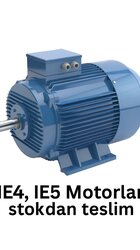


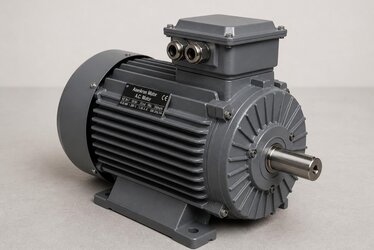
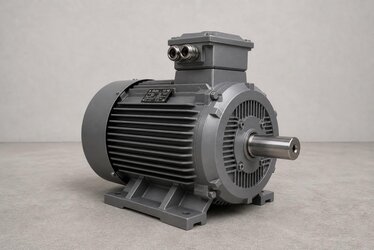
When buying an electric motor, defining the right product usually comes before researching the price. A quotation taken before the power, speed, mounting type and efficiency class are settled is misleading; the sales process therefore starts with a correct description of the application. The sections below help you build a sound motor order.
Define the Application First
Whether the motor will drive a pump, a fan, a conveyor or a crusher determines the required power and speed. Whether it runs at a steady load or with frequent stops and starts affects the choice between S1 continuous duty and intermittent duty. If the environment is dusty and humid, IP55 protection and Class F insulation come to the fore.
Choosing Power, Speed and Mounting
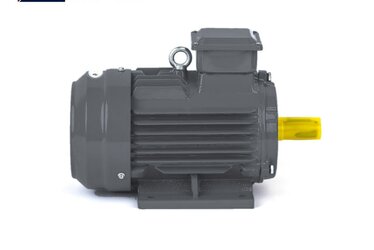
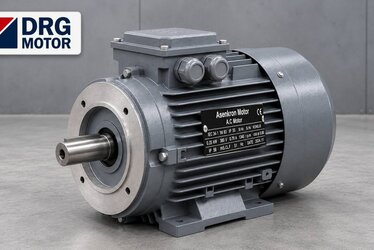
On a 50 Hz supply, a 2-pole motor turns at around 3000 rpm, a 4-pole at 1500 rpm and a 6-pole at 1000 rpm; the application's speed need sets the pole count. The mounting can be B3 foot, B5 flange or B14 face, and selecting it correctly for the machine directly affects installation.
Efficiency Class and Frame Material
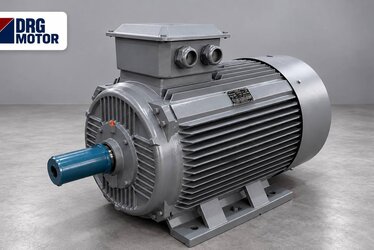
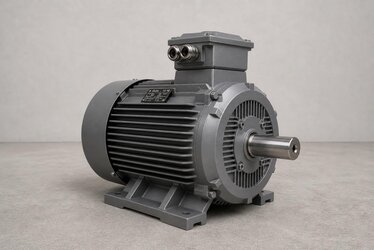
The efficiency class is chosen as IE2 High, IE3 Premium or IE4 Super Premium; for continuously running loads, a higher class measurably reduces energy consumption. As frame material, cast iron offers durability and vibration damping, while aluminium provides a weight advantage.
Sales and Quotation with DRG Motor
İzmir-based supplier DRG Motor offers three-phase motors from 0.55 to 355 kW with different efficiency classes and mounting types. Share your application details to quickly receive the correct model and a current quotation, avoiding unnecessary oversizing or the wrong speed choice.