 English
 Le français
 Türkçe

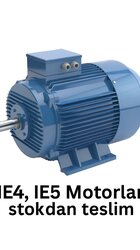
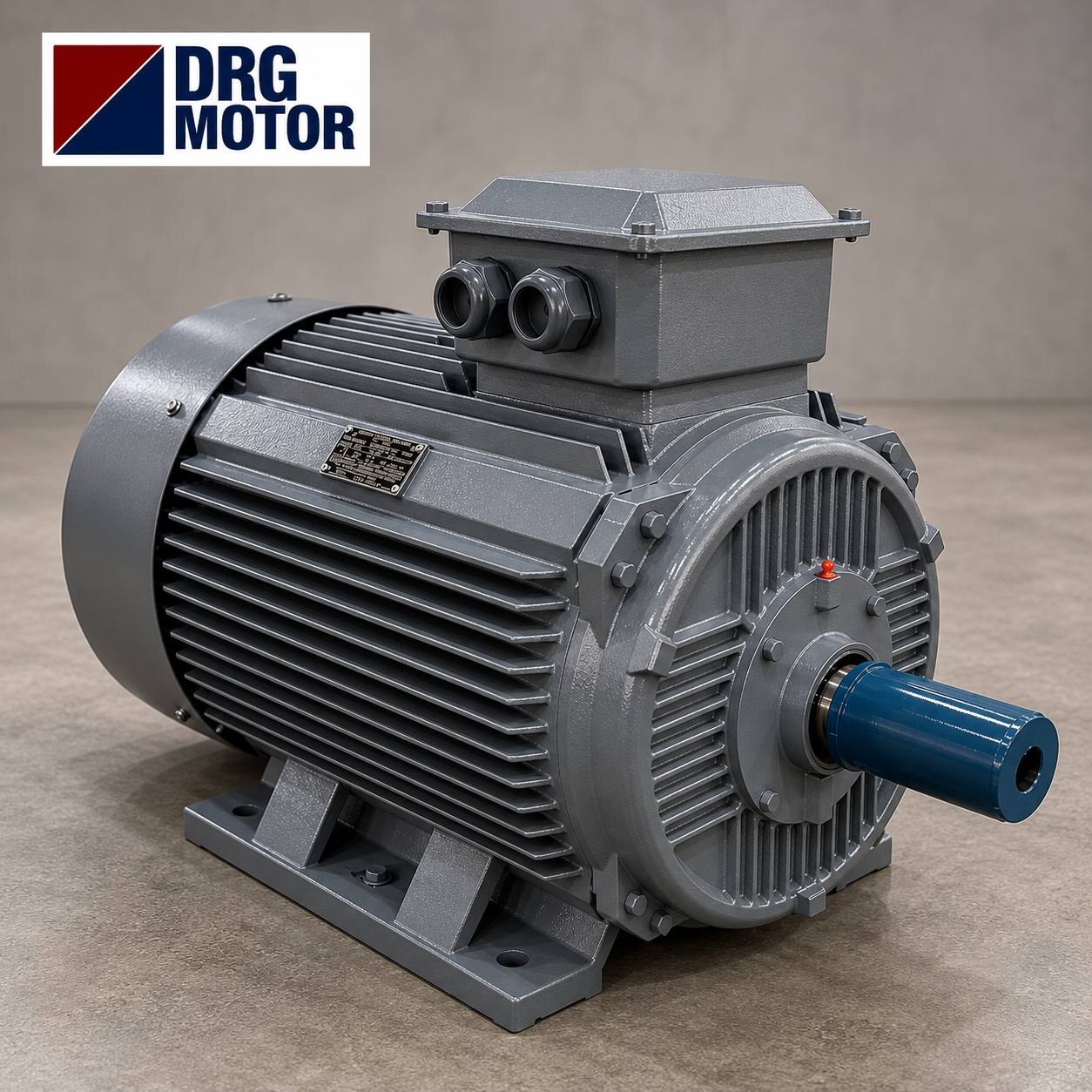

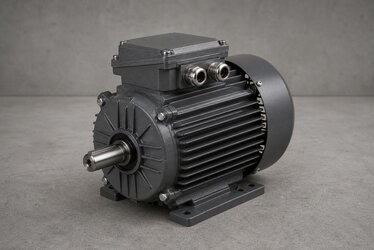
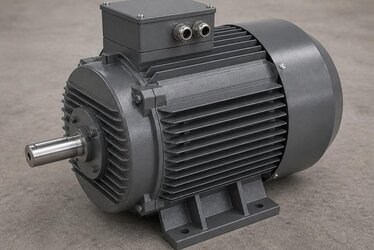
Single-phase electric motors are the core power source for domestic and small-scale commercial applications fed from a single-phase supply. Next-generation designs offer better starting torque and quieter operation, making them a practical alternative to three-phase units in low-power jobs.
How a Single-Phase Motor Works
A rotating magnetic field does not form on its own from a single-phase supply, so single-phase motors use an auxiliary winding and a capacitor to produce starting torque. Capacitor-start, permanent-capacitor and capacitor-start/capacitor-run types address different torque requirements.
Typical Power Range and Use
Single-phase motors are generally used at lower power levels, in workshops and homes where a three-phase supply is not available. Water pumps, small fans, booster systems, compressors and agricultural irrigation pumps are common applications.
What the New-Generation Design Brings
Class F insulation and IP55 protection are now standard on current single-phase motors. An improved winding layout lowers starting current, while a balanced capacitor selection reduces vibration and noise. This extends bearing and winding life.
Single-Phase or Three-Phase?
If the site has a three-phase supply and the power demand is rising, a three-phase motor is more efficient; but on single-phase infrastructure, a single-phase motor is the right answer. The İzmir-based supplier DRG Motor selects the suitable motor according to the supply type and torque requirement of the application.