English
 Le français
 Türkçe

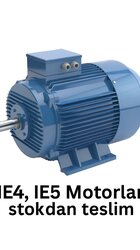

Because the production lines in İzmir's organised industrial zones run throughout the shift, every point of efficiency gained in the motor directly lowers the yearly energy bill. For these heavily loaded plants, choosing a high-efficiency electric motor is less a purchase decision than an operating-cost decision.
How Efficiency Class Affects Operation
IEC 60034-30-1 ranks motors from IE1 to IE5; the IE3 (Premium) and IE4 (Super Premium) classes are the target for continuously running lines. A higher efficiency class delivers the same power with less electricity, so it reduces the energy a motor consumes over its life. The label price should be weighed together with the running hours, not on its own.
Choosing the Right Speed and Power
On a 50 Hz supply the synchronous speed depends on the pole count: 2 poles give 3000 rpm, 4 poles 1500 rpm and 6 poles 1000 rpm. To make full use of high efficiency, the motor must be sized to truly fit the application rather than being oversized; an oversized motor loses both efficiency and power factor at part load.
A Durable Build
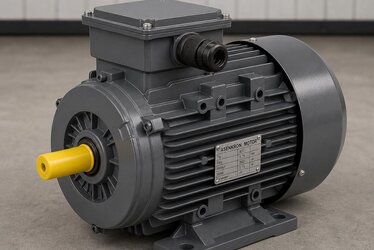
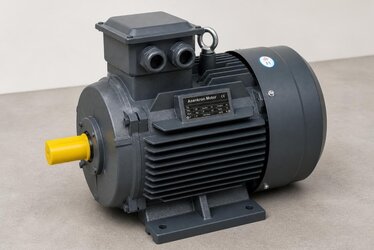
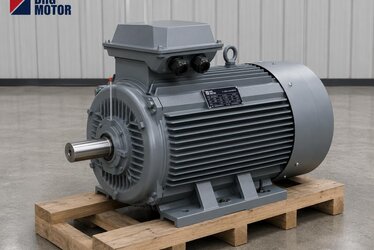
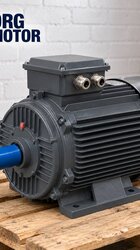
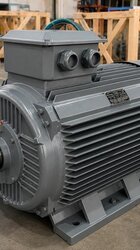
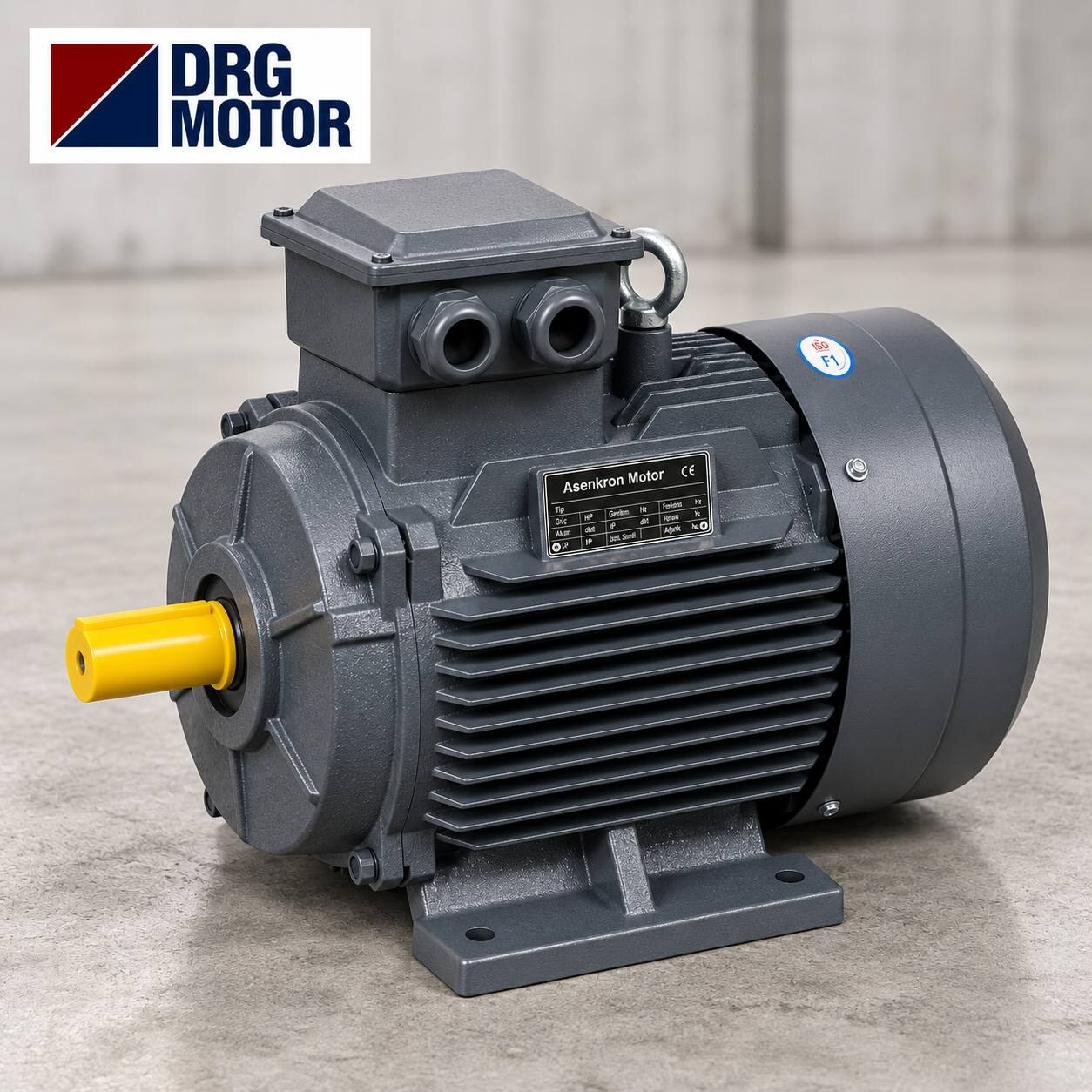
DRG high-efficiency motors are built with a cast iron housing, IP55 protection and Class F insulation, rated for S1 continuous duty. In İzmir's dusty, continuously running industrial environment, the cast iron frame spreads heat and damps vibration, letting the motor hold its efficiency for years.
DRG Motor in İzmir
İzmir-based DRG Motor supplies high-efficiency electric motors from 0.55 to 355 kW with B3/B5/B14 mounting options. Once you share your line's running hours, load and speed, we determine the efficiency class that will cut your energy cost the most together.