English
 Le français
 Türkçe

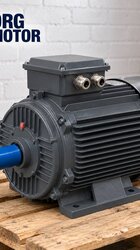
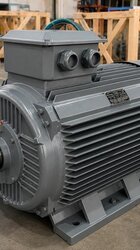
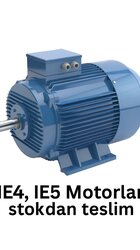
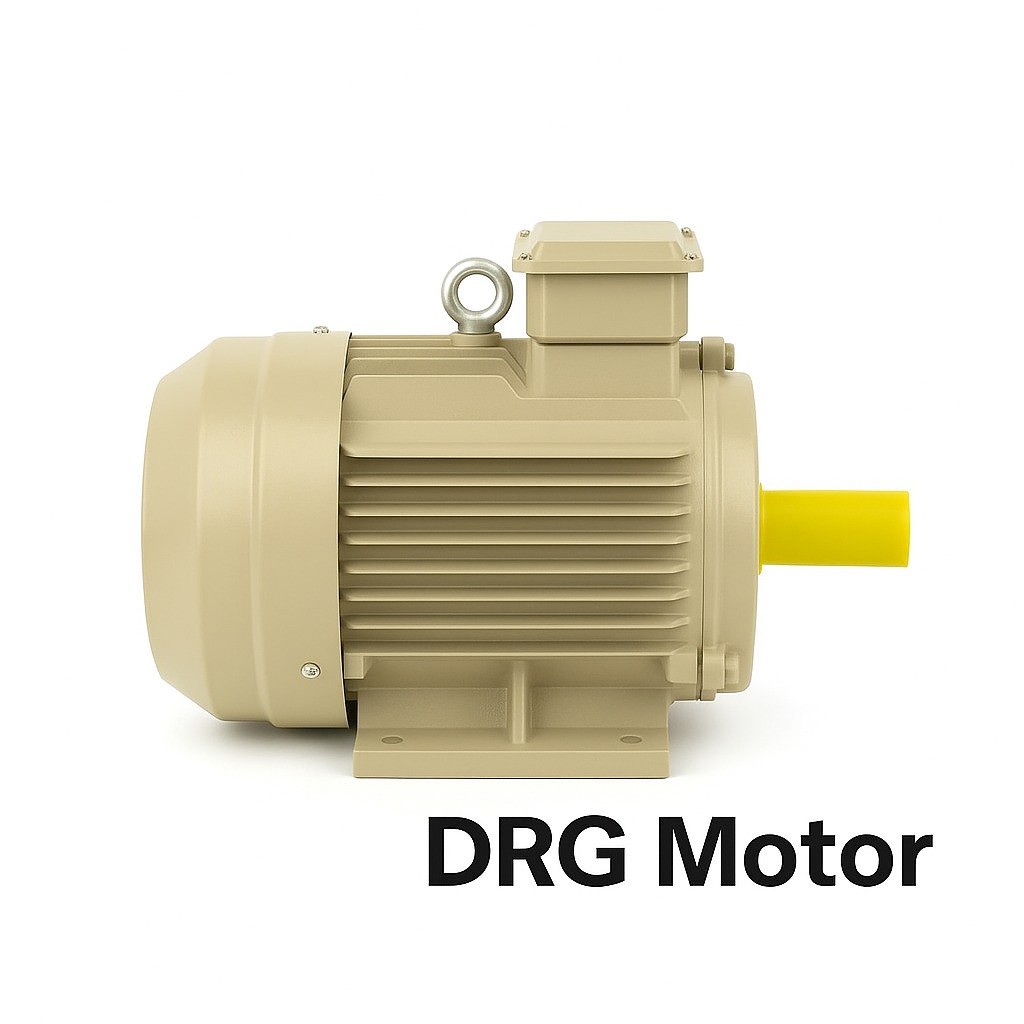

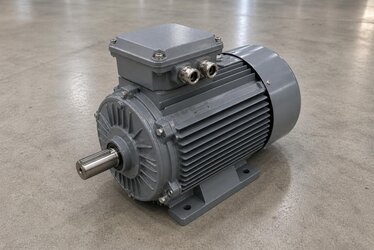
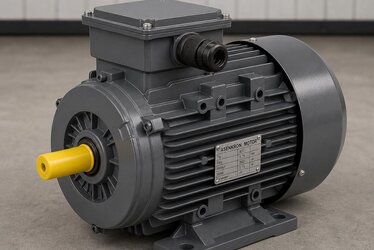
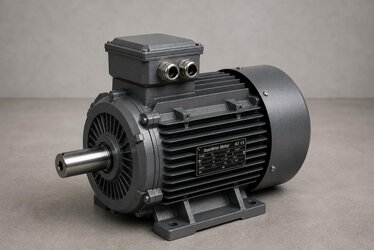
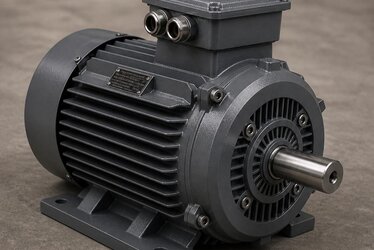
IE4 and IE5 form the top two steps of the IEC 60034-30-1 efficiency ladder: Super Premium and Ultra Premium. Combined with a cast iron frame, they bring together both the lowest losses and the most durable mechanical structure. This pairing is built for heavy industrial drives with long running hours and sensitivity to vibration.
The Difference Between IE4 and IE5
The IE4 Super Premium class noticeably cuts losses versus IE3, while IE5 Ultra Premium goes one step further and aims to reduce losses by roughly 20 per cent compared with IE4 at the same rated point. Accumulated over a year on large, continuously running drives, this fine margin becomes visible in operating cost.
Why the Frame Material Shows Up in the Efficiency Figure
High-efficiency winding and rotor design call for a frame that sheds heat steadily. Cast iron damps vibration through its mass, extends bearing life and provides mechanical rigidity. IP55 protection shields the winding in dusty industrial settings, while Class F insulation, together with the low temperature rise of efficient motors, leaves a margin for long service life.
Where Does It Make Sense?
The extra cost of IE5 is offset faster as the motor's annual running hours and load factor rise. On a three-shift compressor or process pump IE5 is the reason to choose; on a low-hour, intermittent drive IE4 can be the balanced pick. The decision depends on the load profile far more than on the power figure.
IE4 or IE5: Deciding by Running Hours
IE4 and IE5 cast iron motors are stocked in Izmir from 0.55 to 355 kW, in 2, 4 and 6-pole versions with B3, B5 and B14 mounting. Send the running hours and the load profile of the line; the class that pays back first differs between a two-shift pump and an intermittent conveyor, and the quotation follows that reading.