 English
 Le français
 Türkçe

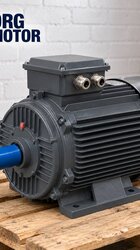
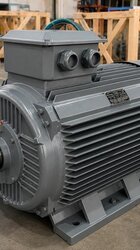
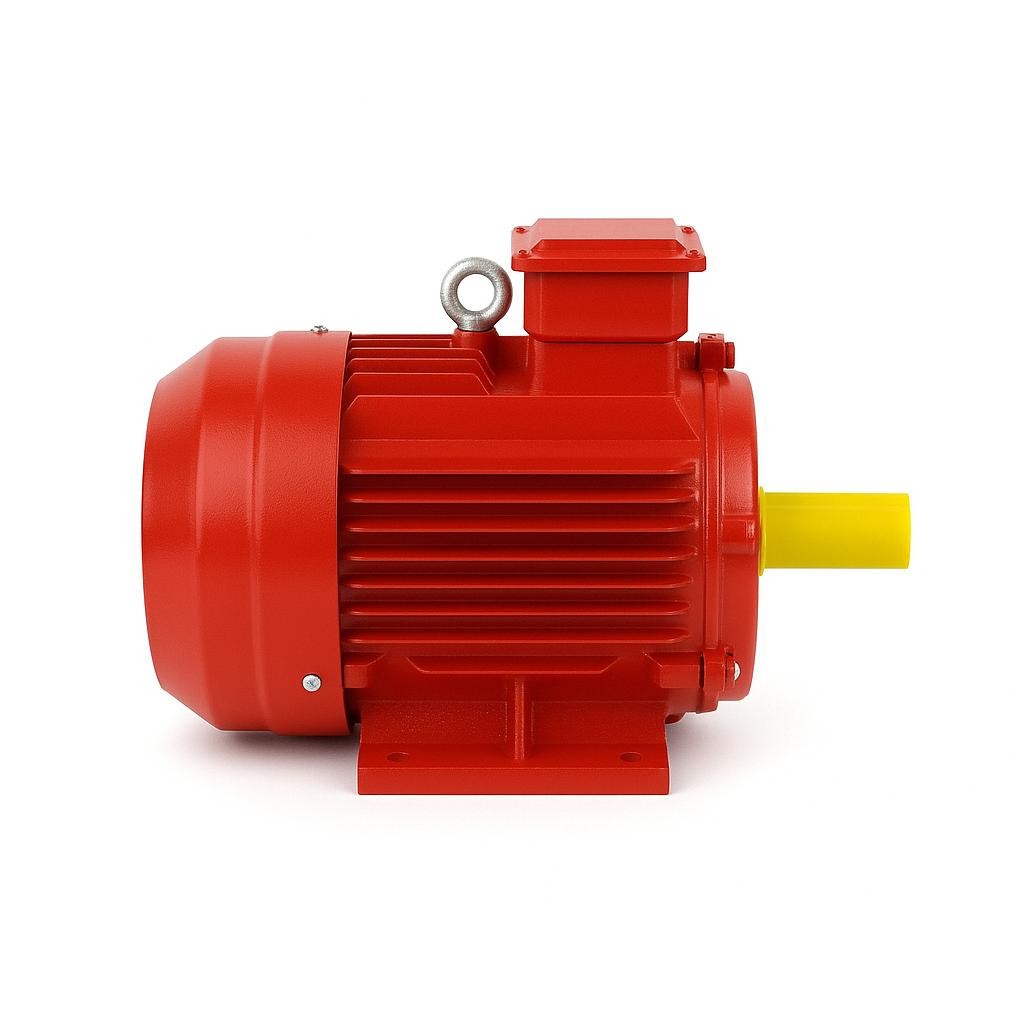

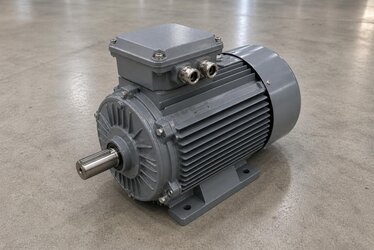
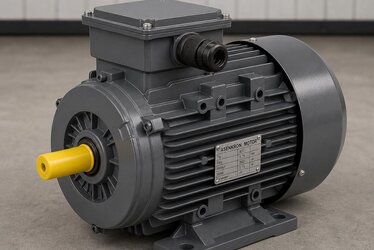
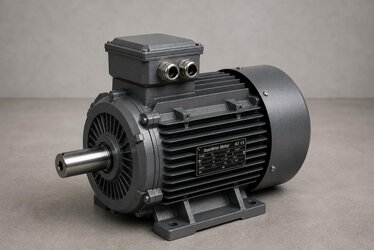
Choosing between IE3, IE4 and IE5 electric motors is an arithmetic exercise, and it needs four figures before it can be done: rated power, speed, annual running hours and the load the driven machine actually pulls. IEC 60034-30-1 defines the classes; those four figures decide which of them is worth its price difference on your machine rather than in general.
The Four Figures, and Which One Is Always Missing
Power in kW and speed in rpm fix the frame, and they are the two figures every enquiry already carries. Running hours decide the class, and they are the figure most often left out. The load profile shows whether the motor spends its day near full load or at half of it, which changes the answer again, because the efficiency advantage of the higher classes narrows at part load. Without the last two, a class recommendation is a guess, and the guess is nearly always made in the direction of the more expensive motor.
Mounting Is What Actually Blocks a Delivery
IP55 protection and Class F insulation run across the whole range, so they rarely separate one offer from another. The mounting does. A foot frame, a flange frame and a face frame are not interchangeable once the machine is built, and a motor that suits the duty but will not bolt down is a delivery that has to go back. The mounting code costs nothing to send and saves a week when it is wrong.
Where the Answer Usually Lands
Pumps, fans and compressors that run without stopping end up at IE4 or IE5 because the hours are there to recover the difference. Machines used intermittently stay at IE3. Standby equipment stays at IE3 whatever the plant standard says, since a motor that runs a few hours a year cannot repay anything, and a plant standard that ignores that is buying class markings rather than savings.
Sending the Enquiry
We supply IE3, IE4 and IE5 motors from 0.55 to 355 kW with IP55 protection and Class F insulation. Send power, speed, running hours and mounting and a current price for the matching class follows. Where the hours do not justify the class being asked for, the lower one is quoted alongside it with the difference set out so the decision stays with you.