 English
 Le français
 Türkçe

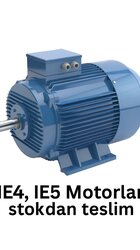
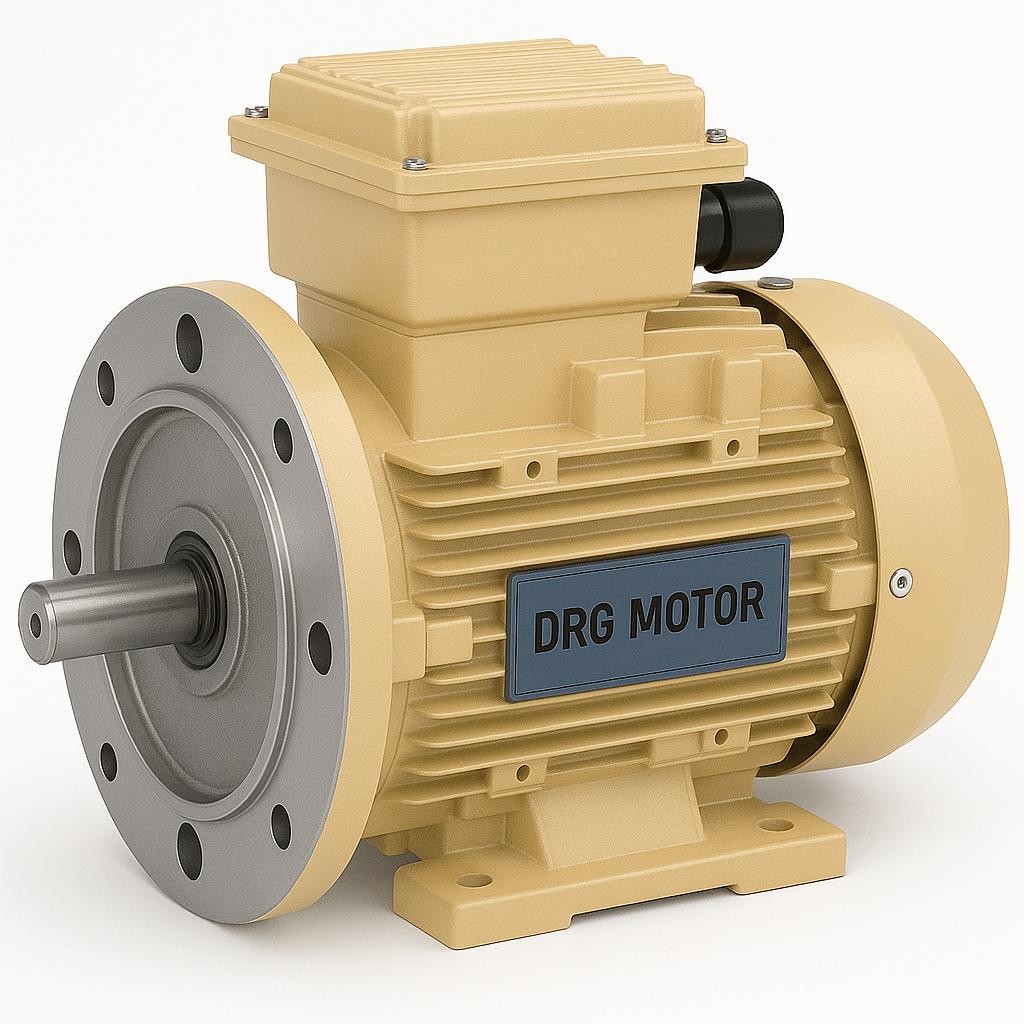

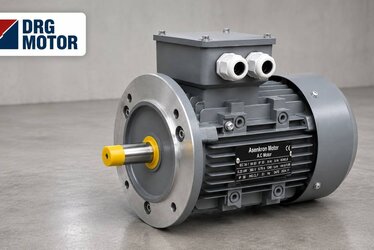
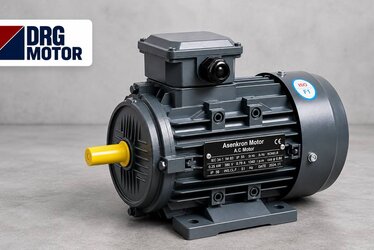
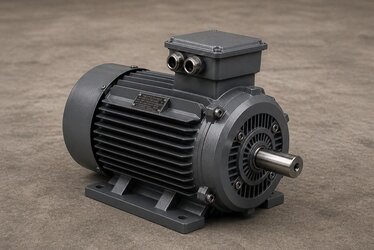
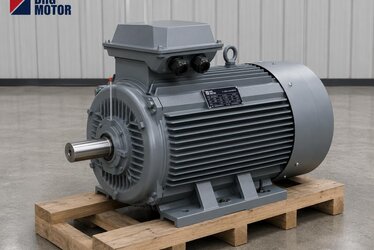
Combining high torque with low energy consumption in an electric motor is the result of the right pole count, efficiency class and rotor design. DRG Motor builds three-phase motors with high starting torque and low continuous-running losses with this balance in mind.
Where Does Torque Come From?
In an induction motor, torque arises from the interaction of the current in the rotor bars with the stator magnetic field. Lower-speed 6-pole models produce higher torque at the same rating, so they are favoured for high-starting-torque loads such as mixers, crushers and conveyors.
The Source of Low Energy Use
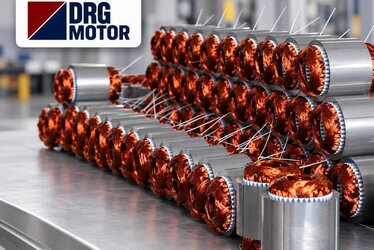
The main driver of lower energy use is the efficiency class. IE3 and IE4 motors do the same mechanical work with less electricity thanks to an optimized core and more copper winding. On a line running all day, an IE4 motor delivers clear savings over IE2.
Heat, Insulation and Life
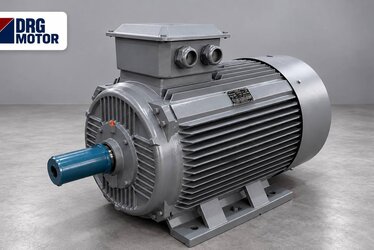
Higher efficiency also means less waste heat. When a motor with Class F insulation and IP55 protection runs cooler, winding life is extended and stoppages under S1 continuous duty fall. A cast iron frame supports this by carrying heat away.
The Right Balance for the Application
Whether high torque or low consumption takes priority depends on the application. DRG Motor selects pole count and efficiency class together based on the load profile and run time, offering the best-fit motor in the 0.55–355 kW range.