 English
 Le français
 Türkçe

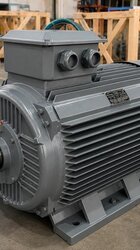
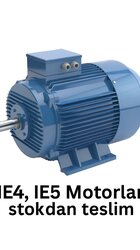
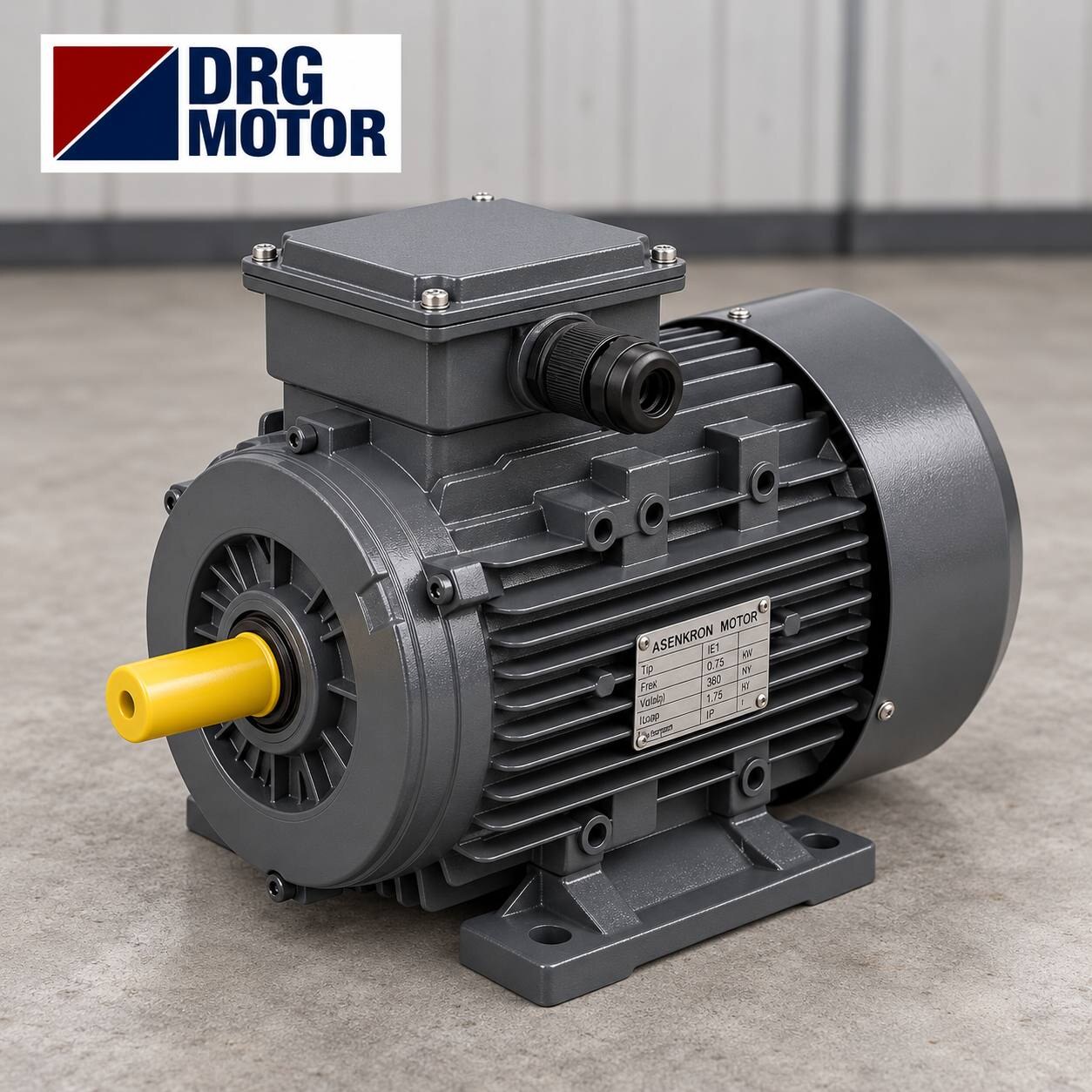

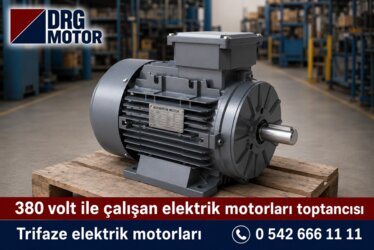
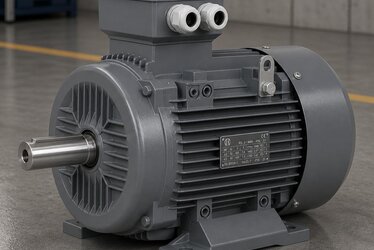
The price of a high-power electric motor cannot be reduced to a single list figure; it depends on too many variables. The cost of a large motor is shaped by technical features ranging from its output and efficiency class to its frame material and speed. For accurate budgeting, understanding the factors that set the price is more useful than comparing numbers alone.
Choosing an IE Class
The first factor is power in kW; between 90 kW and 250 kW the amount of copper, lamination steel and casting rises substantially. The second is efficiency class: under IEC 60034-30-1 an IE4 Super Premium motor contains more active material than the same-rated IE3, raising the initial investment, though energy savings repay that difference over time.
Frame Material and Speed
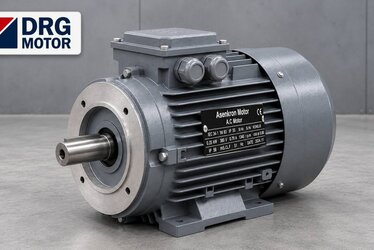
The cast iron frame standard on high-power motors provides durability and vibration damping, and this is reflected in the price. Speed also affects cost: at the same output, a 6-pole 1000 rpm motor needs a larger frame and is usually priced higher than its 2-pole 3000 rpm counterpart.
Total Cost of Ownership
At high power a motor consumes far more energy than its purchase price; on a motor running all year, the electricity bill exceeds the motor's own cost many times over. The right decision therefore weighs not just the sticker price but the annual saving from the efficiency class and the expected service life.
Getting a Current Quote
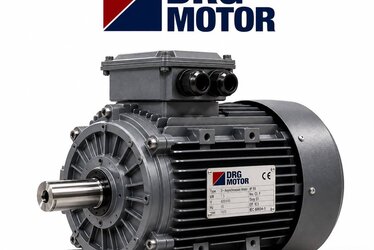
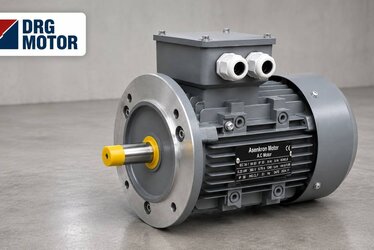
DRG Motor supplies high-power AC motors up to 355 kW in IE3 and IE4 classes. Tell us the power, speed, efficiency class and mounting (B3 foot / B5 flange) you need, and we will share a transparent, application-specific current price and lead time.