 English
 Le français
 Türkçe

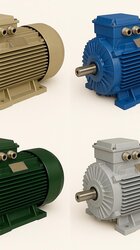
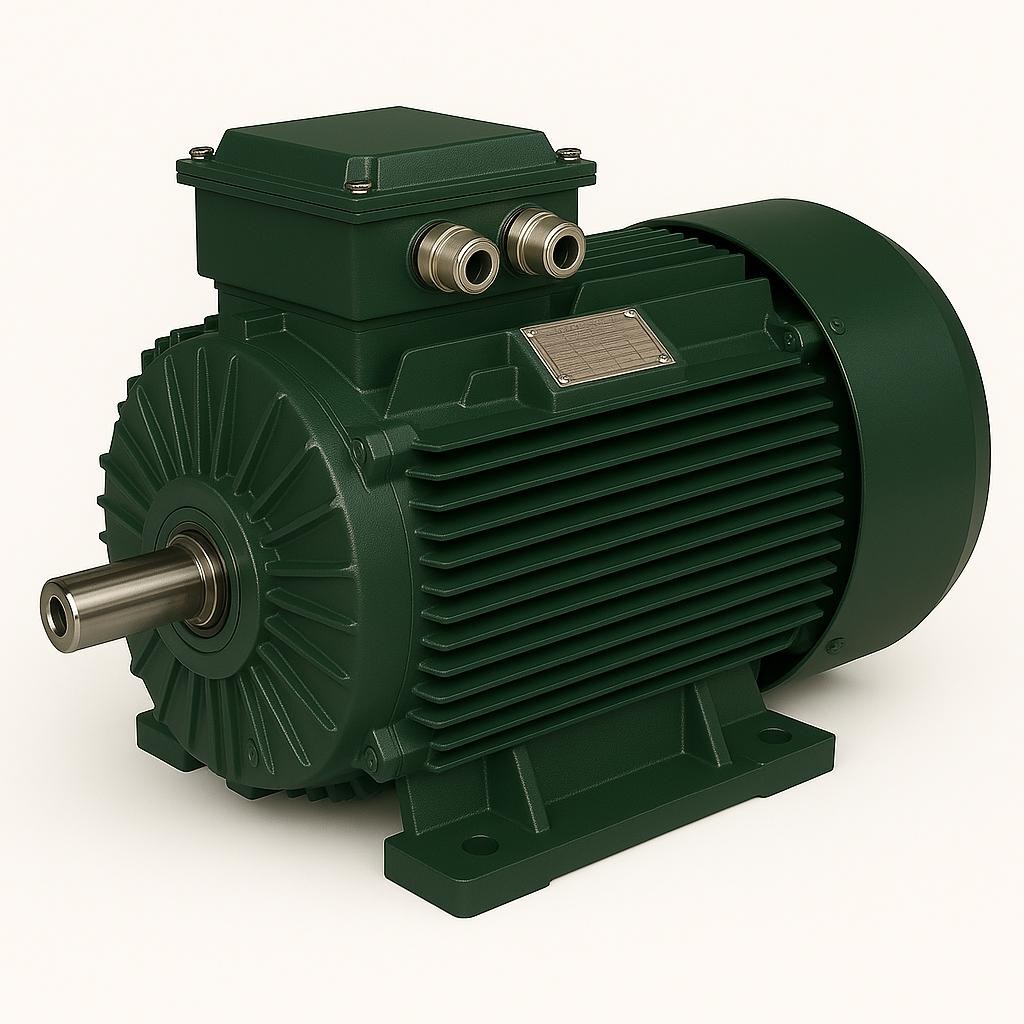

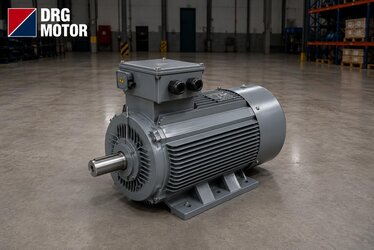
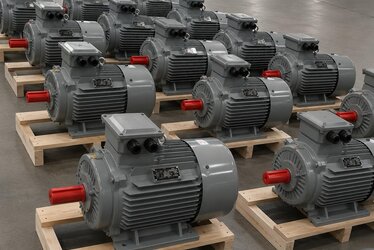
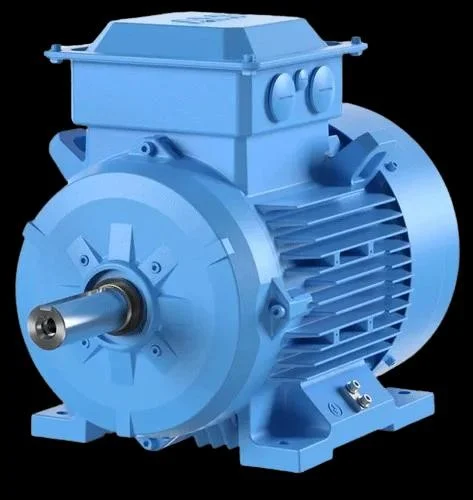
A greenhouse is a living system that must continuously provide the temperature, humidity, and air movement the plant needs inside, regardless of the weather outside. What establishes this balance is largely electric motors: the circulation fans that move the air, the ventilation fans that expel hot air, the irrigation pumps that deliver water to the plant, and the motors that move the covers and screens. These motors often run without stopping for most of the day, under high humidity, temperature fluctuations, and the vapors of fertilizers and chemicals. Motor selection in greenhouse and agricultural climate control is therefore a direct determinant of both crop yield and operating cost. DRG's industrial electric motors family, with its AC asynchronous design in the IE3, IE4, and IE5 efficiency classes, high moisture protection, and sturdy structure, can be configured to meet the requirements of this continuous and humid task.
In this article we address every critical heading of agricultural climate control, from circulation and ventilation fan drives to irrigation pump selection, from screen and ventilation motors to high moisture protection and energy efficiency, explaining how DRG asynchronous motors are positioned in each.
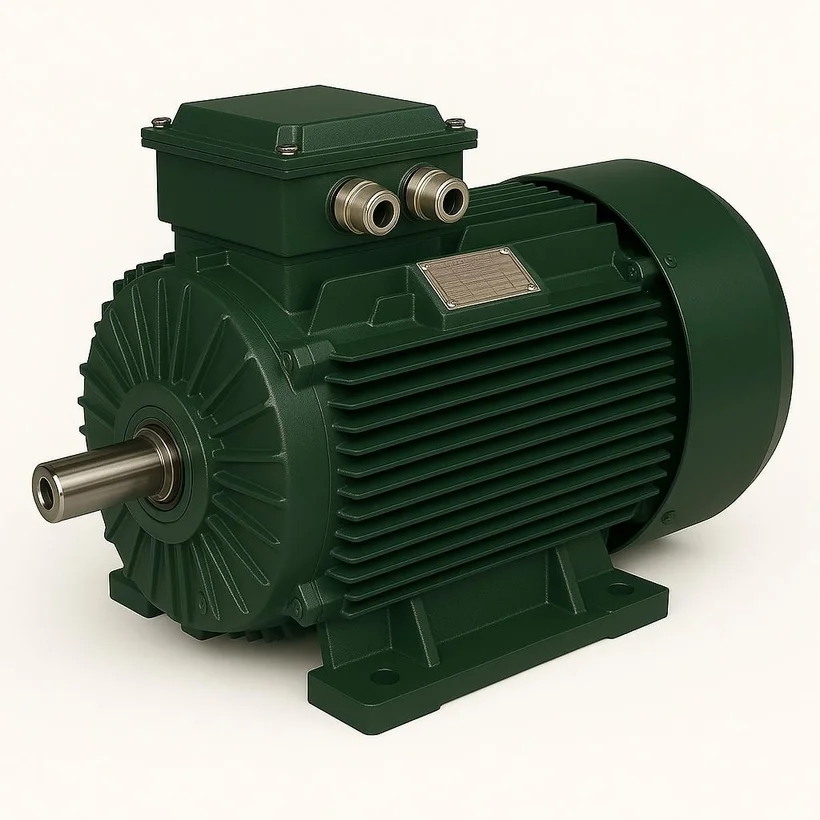
The Conditions the Greenhouse Environment Places on a Motor
A greenhouse is an ideal environment for the plant but a harsh one for metal. High relative humidity, marked temperature changes during the day, water vapor from irrigation and misting, and corrosive vapors from fertilizer and chemical applications all coexist. Each of these conditions is challenging for a motor on its own; together, they rapidly consume the life of an inadequately protected motor. For this reason, a greenhouse motor must be selected from the very start with moisture and corrosion resistance in mind; the real moisture load of the environment is the foundation of the protection class decision.
The Effect of Climate Control on Crop Yield
Temperature, humidity, and air movement in the greenhouse directly determine plant growth, disease risk, and yield. At points where airflow is insufficient, moisture accumulates and fungal diseases increase; excessive heat stresses the plant and slows growth. Because climate control motors are the equipment that establishes this balance, their reliability is directly reflected in the harvest. A ventilation fan that stops on a critical day, for example on a hot summer noon, can lead to serious crop loss in a short time. For this reason, motor selection in a greenhouse is not merely an equipment decision but a direct production decision; a reliable motor is like an invisible insurance protecting the crop.
Circulation Fan Drives
Circulation fans keep the temperature and humidity balanced at every point by constantly moving the air inside the greenhouse. Stagnant air leads to both temperature stratification and moisture accumulation on the leaf surface. Because these fans run for most of the day and even at night, the motor's continuous and low-heating operation is decisive. In correctly matching the fan and motor, the principles of fan and blower motor selection are decisive; the correct operating point provides both sufficient airflow and low energy consumption.
Ventilation and Exhaust Fan Drives
On hot days, the removal of excess heat and humidity inside the greenhouse is provided by large ventilation fans. These fans generally work together with window and screen systems to draw in cool air and expel hot air. The motors of high-flow exhaust fans must be selected to operate reliably in a continuous and high-humidity environment. An incorrectly sized fan means either inadequate ventilation or unnecessary energy consumption; the correct match optimizes both.
Irrigation Pump Drives
In greenhouse and agricultural production, water is one of the most critical inputs; the irrigation pump is the heart that delivers this water to the plant at the right pressure and flow. Drip irrigation, misting, and sprinkler systems require different pressures and flows; correct motor selection for each determines efficiency. In the pump-motor match, the operating point, efficiency, and cavitation risk must be considered. On this subject, our article on water pump electric motor selection provides the practical way to determine the correct power and speed.
Misting and Humidification Systems
Some plants and seasons require high humidity; misting systems provide this humidity with high-pressure pumps by breaking water into very fine droplets. The motors of these pumps must be selected to withstand continuous operation and high-humidity environmental conditions, because the humidity they produce also saturates their own surroundings. The reliability of the misting system is critical for plant health, especially during hot and dry periods; when the pump stops, humidity can drop rapidly and the plant quickly comes under stress. Because high-pressure misting pumps frequently start and stop, the motor must also be suitable for this operating regime.
Screen, Cover, and Ventilation Motors
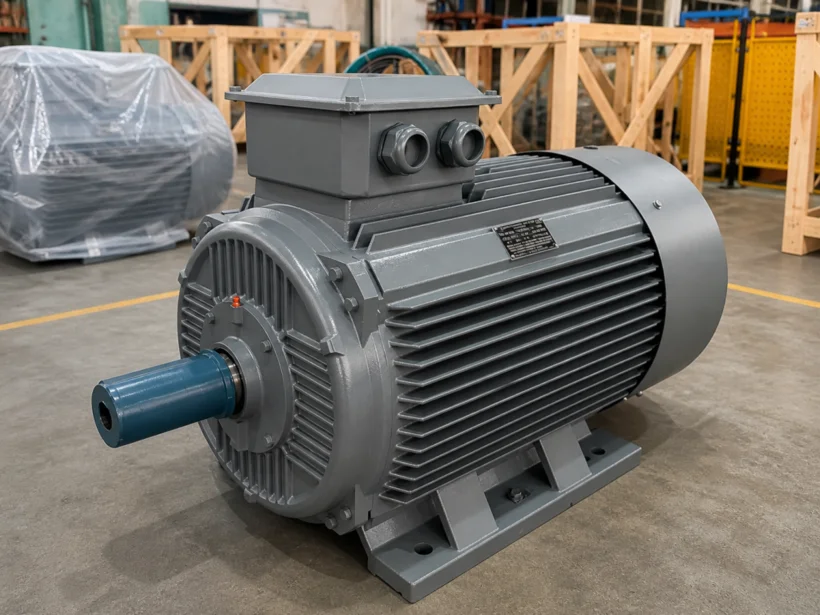
In greenhouses, shade screens, energy screens, and roof ventilation windows are opened and closed by motorized systems. These motors are generally short-duration but frequently running applications requiring positioning precision; opening the screen to exactly the desired degree is important for climate control. Screen and ventilation systems move many times during the day according to light, temperature, and humidity conditions; for this reason it is important that the motor withstand frequent start-stop cycles. Each start generates heat in the motor; the ability of this heat to dissipate between cycles is ensured by correct sizing. A reliable and durable drive makes the precise and continuous adjustment of climate control possible.
The Importance of High Moisture Protection
A greenhouse continuously hosts high relative humidity, the condition under which a motor is most strained. Moisture strains the winding insulation, leads to leakage current and, in the long term, insulation breakdown. For this reason, a high IP protection class and moisture-resistant insulation are essential in greenhouse motors. When determining the correct protection class, the criteria in our IP protection class selection guide provide the practical way to correctly match the motor to the environment.
Humidity, Corrosion, and Tropicalization
Constant moisture and chemical vapors lead to corrosion on the motor's metal surfaces and insulation weakening in its windings. When the windings are strengthened with an additional protective coating through the tropicalization process, the insulation's life in a humid and corrosive environment is significantly extended. Our article on motor humidity, corrosion, and tropicalization guides in determining the protection level suitable for the greenhouse's humid environment and explains which protection is required under which condition.
The Effect of Energy Efficiency on Operating Cost
Because greenhouse fans and pumps run for most of the day, often throughout the year, they form one of an operation's largest energy items. At this point the motor's efficiency class is reflected directly in profit; even a small efficiency difference on a continuously running fan means notable annual savings. The low losses of IE4 and IE5 class motors provide a marked advantage over long operating hours. Our article on high-efficiency electric motors lays out the calculation of this gain.
Continuous Operation and Reliability
Greenhouse climate control is a task with no concept of a shift, often lasting 24 hours. In this continuous regime, the motor's low heating and stable performance are decisive. DRG's high-efficiency design aims for reliable and low-heating performance under S1 continuous duty; low heating also means longer-lasting insulation. A reliable motor does not put the crop at risk with an unexpected shutdown on a critical day.
Variable Speed and Inverter Drive
The air and water demand in the greenhouse is not constant; it varies according to the season, the day, and even the hour of the day. Adjusting the fan and pump speed according to demand, instead of running at fixed speed and choking, provides both notable energy savings and more precise climate control. An insulation class suitable for inverter feeding is increasingly becoming standard in modern greenhouse automation, and the motor must be chosen to withstand this feeding method.
Cooling Method and Ambient Temperature
The temperature inside the greenhouse can rise quite high, especially in the summer months. The motor's cooling design must be chosen so as to keep the windings within safe limits even at this high ambient temperature. As the ambient temperature rises, the power the motor can deliver drops; if this effect is ignored, the motor runs constantly at the limit and tires early. The correct approach is to size the motor taking the greenhouse's typical interior temperature into account.
Resistance to Corrosive Vapors and the Fertilizer Environment
The fertilizers, pesticides, and chemicals used in greenhouses can release corrosive vapors into the air; these vapors concentrate especially in an enclosed and humid environment. They accelerate corrosion on unprotected metal surfaces and terminal connections and over time damage the motor's structural integrity. Tropicalization, a multi-layer durable paint system, and a sealed terminal box protect the motor from this chemical environment. The measures taken against corrosion directly determine the motor's life in the humid and chemically active greenhouse environment; without these measures, even the strongest motor wears far faster than expected.
Irrigation Water Quality and Pump Life
In agricultural irrigation, water is not always clean; the sand, sediment, and minerals contained in water from a well, pond, or stream can strain the pump and motor. Sediment-laden water pushes the pump to work harder, and this load is reflected directly on the motor. Correct pump selection and a suitable motor with sufficient thermal capacity provide reliable operation even under these harsh water conditions. The coincidence of the pump's operating point with the motor's nominal values protects both efficiency and life; a wrong match wears the motor prematurely by running it constantly at the limit.
Bearing and Lubrication Strategy
For bearings that run continuously and operate in a humid environment, the correct grease type and lubrication interval are the foundation of the maintenance plan. The use of moisture-resistant grease directly extends bearing life. Where needed, a re-lubricatable design allows the operator to perform simple maintenance themselves. Because the bearing is the most worn part of the motor, this strategy determines the life of the entire motor.
Sealing of the Terminal Box and Cable Entries
The first line preventing moisture and corrosive vapors from entering the motor is the terminal box seals and cable glands. A sealed box directly protects the life of the winding insulation and prevents corrosion-driven contact problems at the terminal connections. Most greenhouse failures begin with moisture seeping in from an unexpected point, most often an inadequately sealed cable entry.
Determining the Correct Power and Speed
For each drive, the correct selection of power and speed determines both efficiency and life. An oversized motor runs constantly at low load and its efficiency drops; an undersized motor is constantly strained and tires early. The operating point of the fan and pump must coincide with the motor's nominal values. Correct sizing is the common foundation of efficiency, life, and reliability in a greenhouse application.
Integration With Automation and Sensors
Modern greenhouses are managed automatically with temperature, humidity, and light sensors. Fan, pump, and screen motors work integrated into this automation; the system brings the motors into service or changes their speeds according to conditions. Inverter-compatible, stably running motors ensure that this automation operates reliably. A well-integrated system means both energy savings and better climate control.
Noise and Working Comfort
For personnel working in the greenhouse for long periods, continuous fan-sourced noise is a comfort matter lasting all day. A balanced rotor and suitable fan design noticeably reduce motor-sourced noise. A quietly running motor is generally also a well-balanced, low-vibration motor; that is, the effort to reduce noise also improves durability. In large greenhouses where many fans run at once, this effect accumulates to determine the total sound level, which makes the selection of low-noise motors even more valuable.
Maintenance Planning and Seasonal Intensity
In agricultural production, some periods are far more intense than others; during flowering, fruit set, or pre-harvest periods, climate control is at its most critical, and a motor failure directly puts the crop at risk. A sturdy motor with predictable maintenance needs prevents unexpected shutdowns during these critical periods. Planning maintenance for periods when production is not intense reduces both cost and risk. A well-documented motor makes it easier to set up the maintenance schedule in advance and keep spare parts ready.
Deciding by Total Cost of Ownership
The real cost of a greenhouse motor is far more than the label price. Due to continuous operation, energy consumption, maintenance, spare parts, and possible crop loss determine the total cost. A high-efficiency and reliable motor is almost always more economical in the long run. In agricultural operations, the decision must be made not on the cheap price but on the total burden the motor will bring over its lifetime.
The Relationship With Cooling Tower and Large Facility Applications
In large agricultural facilities and greenhouses, climate control can work together with comprehensive cooling systems; pad-fan systems and evaporative cooling require high-flow fan drives. In these applications, the requirements of the fan drive connect to a broader engineering framework and are evaluated within the total energy balance. To strengthen the foundation of the subject, our article on what an electric motor is is a good starting point and prepares the ground for climate control decisions. Understanding the basic physics of the asynchronous motor makes it easier to grasp why certain choices are made under certain conditions.
Moving Forward With DRG in Greenhouse and Agriculture Projects
Greenhouse and agricultural climate control ask many things of a motor at once: resistance to high humidity and corrosive vapor, continuous-operation reliability, energy efficiency, and stable operation compatible with automation. DRG's IE3, IE4, and IE5 class AC asynchronous motors can be configured to answer all of these expectations, with options for high moisture protection, tropicalization, and sturdy mechanical design. Let us determine together the correct power, protection class, and efficiency level for the circulation fan, ventilation fan, irrigation pump, or screen drive in your project; to improve your crop yield and energy cost at the same time, DRG engineering stands by you.