 English
 Le français
 Türkçe

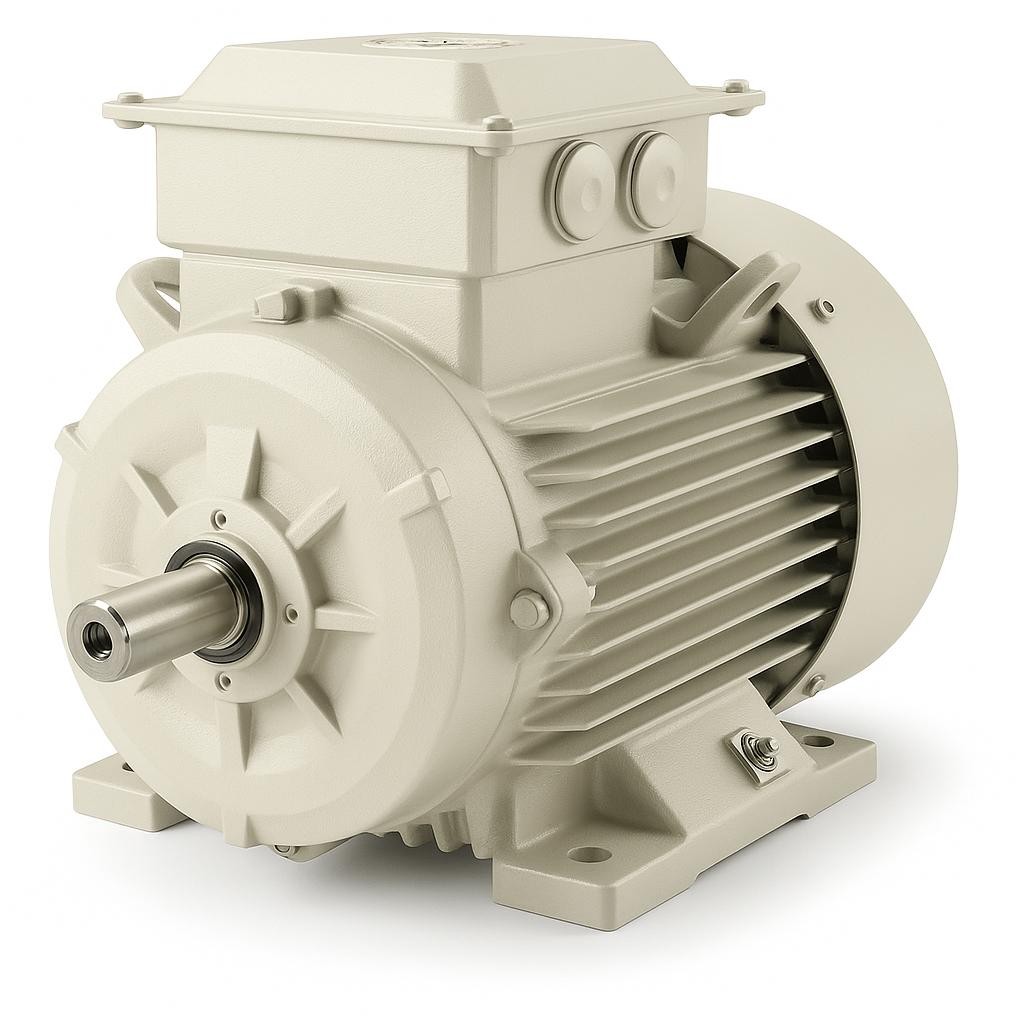

The electric motor used in cranes and lifting systems must raise the load safely, position it precisely and withstand frequent start-stop cycles. Unlike a constant steady load, these applications demand high starting torque and accurate braking.
The Special Demands of Lifting
A crane motor must produce starting torque above its rated value when moving the load, and provide controlled deceleration during lowering. Because the duty cycle usually involves frequent start-stops under intermittent load, the motor is expected to endure these cycles without overheating and to deliver sufficient braking torque.
Braking and Positioning Control
In lifting systems an electromagnetic brake is essential to hold the load safely when power is cut. A variable frequency drive is commonly used for precise positioning; speed ramps start and stop the load smoothly, reducing sway and protecting the mechanical transmission. This control improves both safety and accuracy.
Durability and Protection
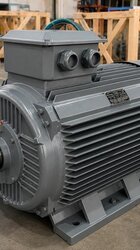
Since crane motors often work outdoors or in dusty environments, IP55 protection and Class F insulation matter. A cast iron frame withstands the vibration and shock that constant start-stop loads bring. The correct pole and speed choice ensures the lifting speed suits the application.
Lifting Solutions with DRG Motor
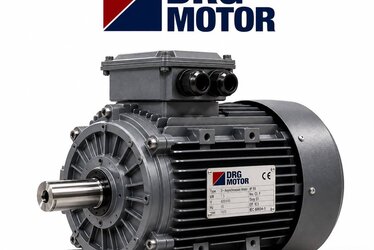
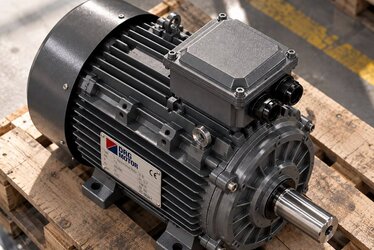
DRG Motor offers three-phase cast iron frame motors from 0.55 to 355 kW at 400 V / 50 Hz for heavy lifting and handling applications. Once the load weight, lifting speed and cycle frequency are shared, the suitable torque, pole count and brake configuration are determined together; with Izmir-based manufacturing, support is delivered quickly.