 English
 Le français
 Türkçe

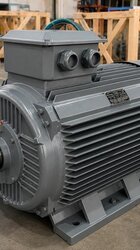
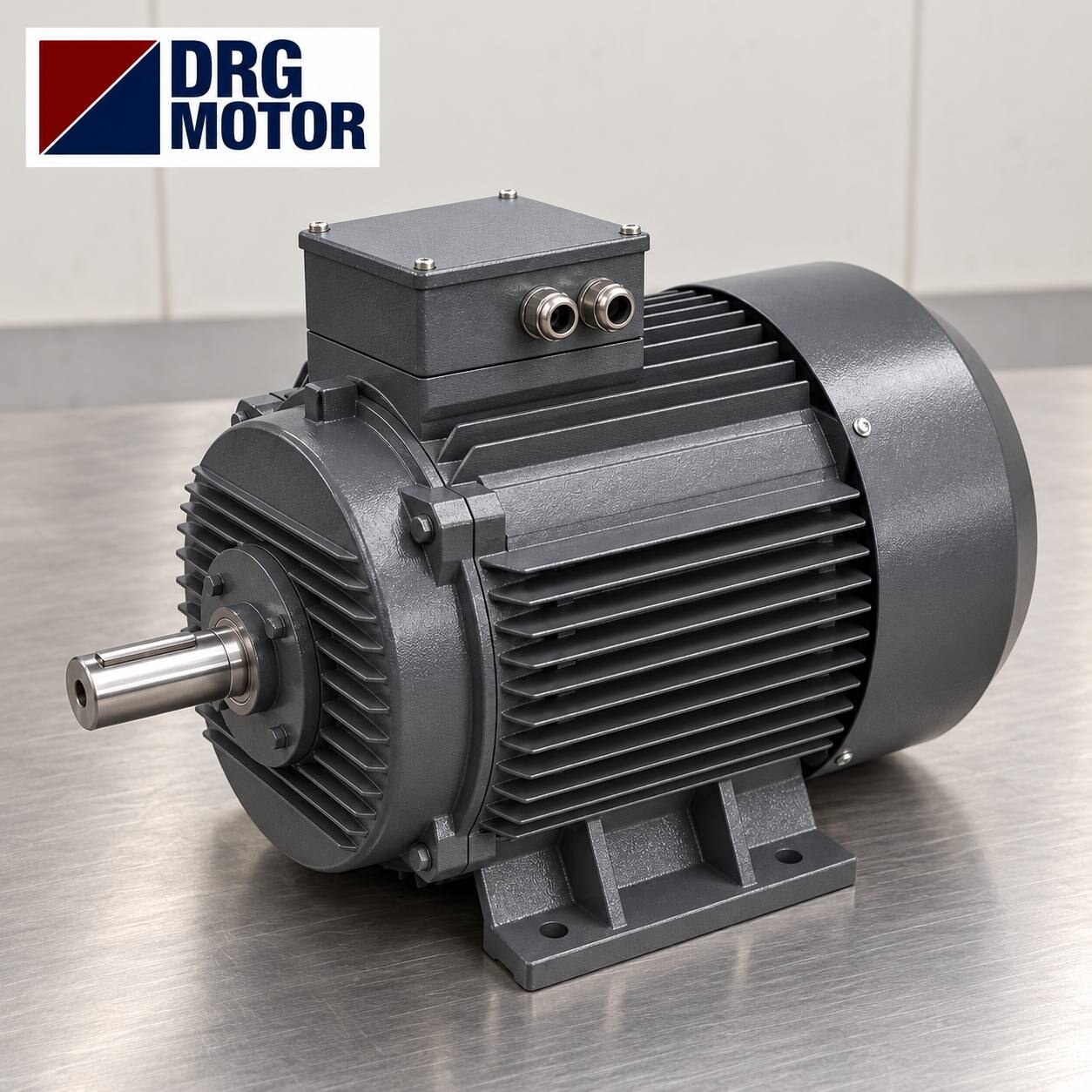

Crane drives are among the most demanding applications for electric motors. In hoisting, long-travel and trolley movements the motor starts and stops frequently, produces high torque under sudden load and runs under control for precise positioning. For this reason crane motors call for a different design from a standard motor that runs in continuous duty.
Intermittent Duty Cycle
On cranes the motor is usually selected for an intermittent start/stop duty such as S3 rather than S1 continuous duty. Since a shift may involve hundreds of starts and stops, the motor's heating behaviour and tolerance of starting current are critical. The wrong duty selection drives up winding temperature.
High Starting Torque
To move a suspended load, the motor must be able to produce torque well above its rated value at the moment of starting. In hoisting applications this calls for a motor with sufficient torque capacity and, in most cases, integrated operation with a braking system.
Braking and Speed Control
Crane motors are frequently used together with an electromagnetic brake and a frequency inverter. The inverter provides soft starting and precise positioning, moving the load without jolts, while the brake holds the load safely when power is cut. A cast iron frame offers resistance to vibration and impact.
DRG Motor for Crane Applications
Izmir-based DRG Motor supplies motors in the appropriate duty, torque and protection class (IP55, Class F insulation) for crane and hoisting systems. By assessing the lifting capacity, operating frequency and braking needs of your application, we recommend the right motor and provide a current quotation.