 English
 Le français
 Türkçe

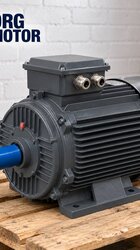
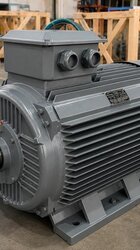
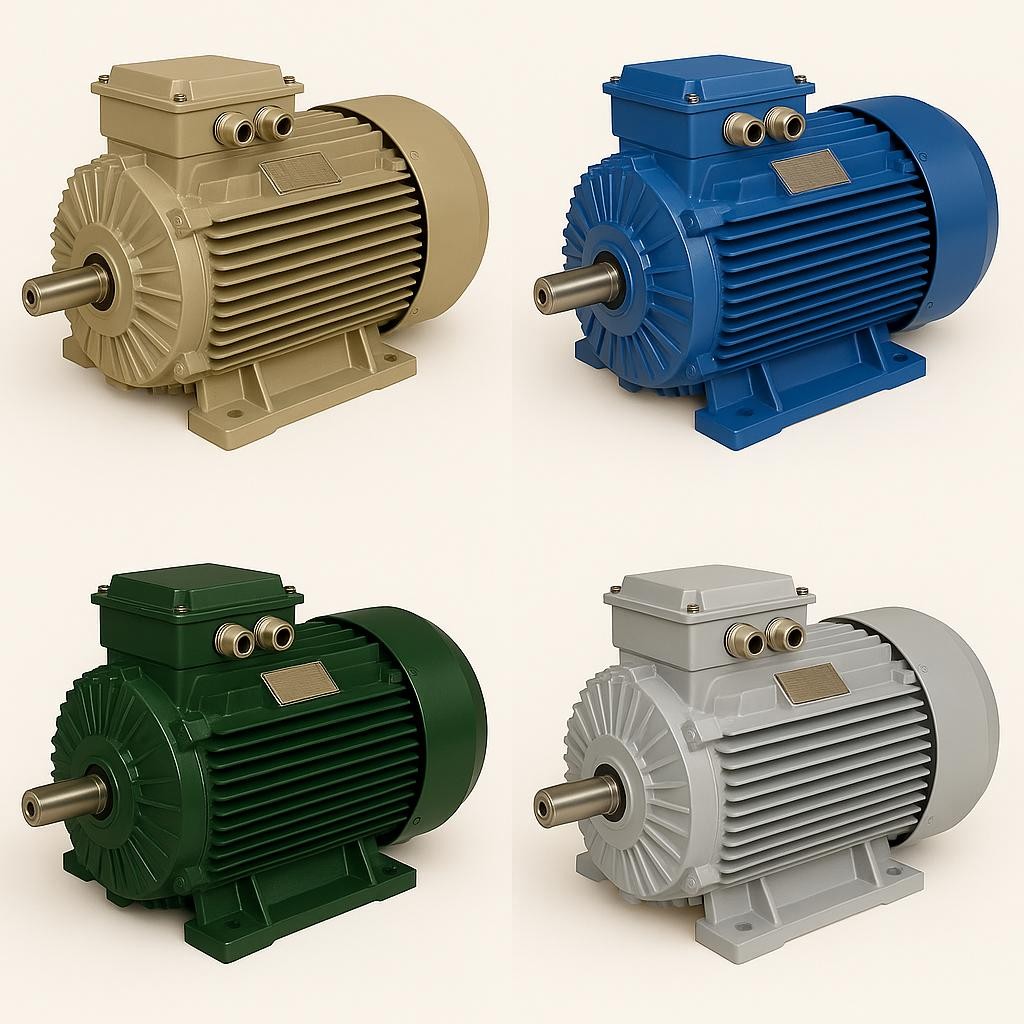

Asynchronous and synchronous motors both create a rotating magnetic field from the stator windings; the core difference lies in how the rotor relates to that field. In an asynchronous motor the rotor turns slightly behind the field and produces torque from that speed gap, while in a synchronous motor the rotor locks to exactly the same speed as the field. This distinction shapes the motor's behaviour and its application.
Difference in Operating Principle
In an asynchronous motor the stator field induces current in the rotor, which then turns just below synchronous speed by a small margin called slip. In a synchronous motor the rotor is either permanent-magnet or excited and turns at field speed with zero slip. Under increasing load the asynchronous motor slows only marginally, while the synchronous motor holds constant speed.
Speed and Slip
On a 50 Hz supply the synchronous speed depends on pole count: 3000 rpm for 2 poles, 1500 rpm for 4 poles, 1000 rpm for 6 poles. A synchronous motor runs at exactly these values. An asynchronous motor runs a few per cent slower under load, for example around 1450-1470 rpm on a 4-pole unit. Slip is what makes torque possible.
Which Suits Which Application?
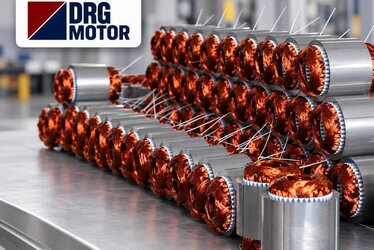
The asynchronous motor, with its squirrel-cage rotor, is simple, sturdy and low-maintenance; the vast majority of pump, fan, conveyor and general industrial drives use this type. The synchronous motor is preferred for special duties needing fixed speed, very high efficiency or power-factor correction. Cost and simplicity put the asynchronous motor ahead in most jobs.
Identifying the Right Motor
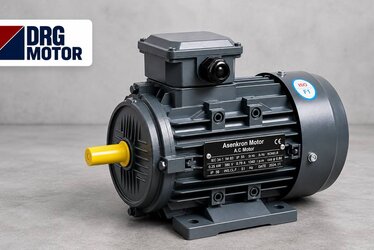
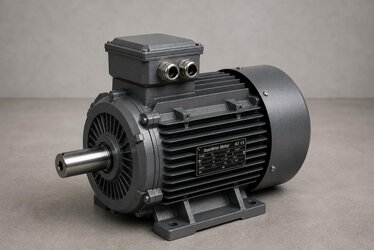
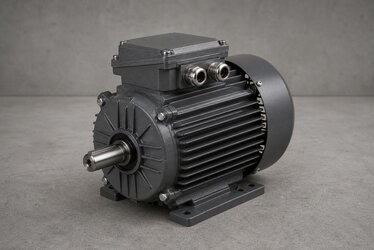
Selection starts with speed stability and load type: must the speed be absolutely fixed, or is small slip acceptable? For most industrial drives DRG Motor's IP55, Class F asynchronous frames cover 0.55 to 355 kW with the right answer, and where tight speed accuracy is required the application is assessed together.