 English
 Le français
 Türkçe

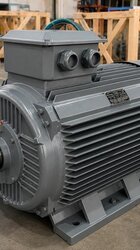
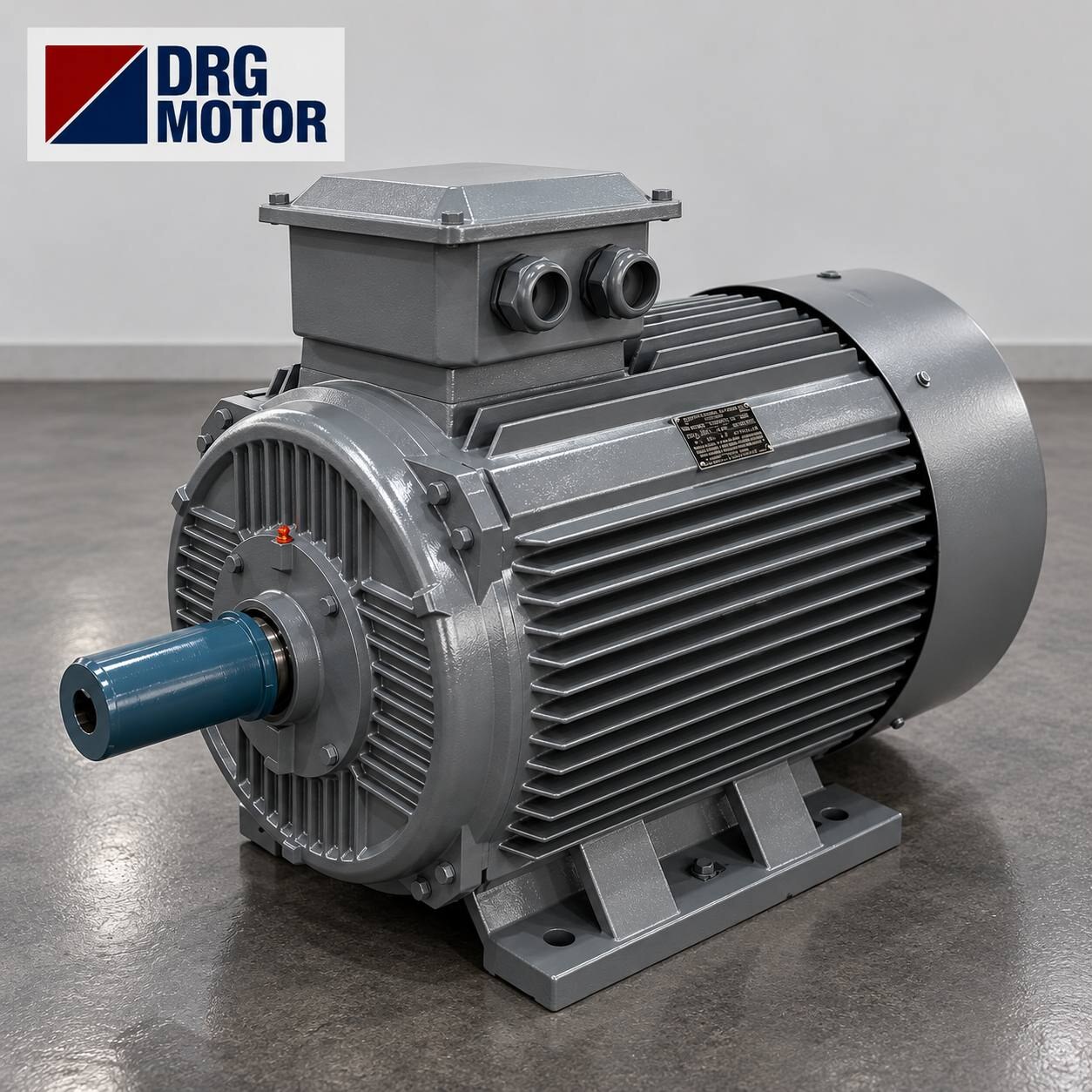

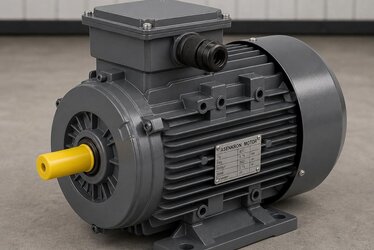
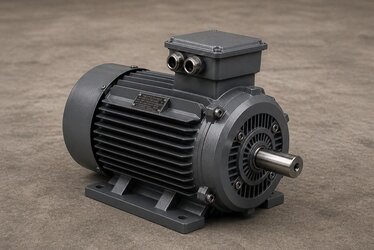
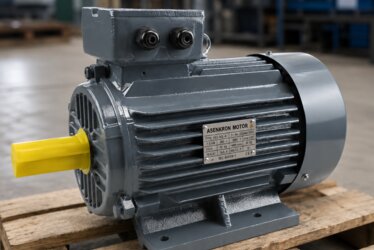
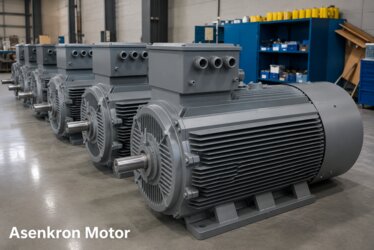
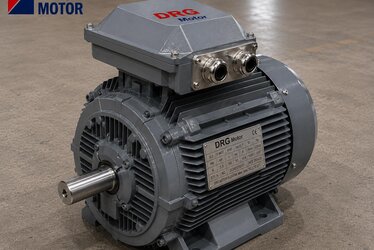
The cast iron frame is one of the most important elements deciding an electric motor's durability and mechanical stability. The high mass and damping ability of iron-based casting make the motor more resistant to vibration, thermal load and mechanical strain, which means long service life especially under heavy industrial conditions.
Why Is Cast Iron Preferred?
Cast iron offers a more rigid and heavier structure than aluminium. This mass damps the vibration created by the rotating rotor and carries bearing loads more evenly. As a result the frame stays more stable against loosening and loss of alignment over time, which is decisive on large, continuously running drives.
Heat and Vibration Behaviour
The thermal mass of the casting smooths temperature swings under load and sheds heat steadily from the surface. This keeps the winding temperature in check and protects the life of the Class F insulation. Low vibration, in turn, extends bearing life and reduces mechanical noise.
Relation to Protection and Efficiency
Together with IP55 protection, the cast iron frame isolates the winding from external factors in dusty and humid settings. Mechanical stability also helps the motor run close to its design efficiency; when extra losses from vibration and misalignment fall, an IE3 or higher efficiency class is held more consistently in the field.
Choosing a Cast Iron Motor
A cast iron frame is the right choice where heavy load, continuous running and a vibrating environment are involved; for small drives where light weight comes first, aluminium may suffice. Izmir-based DRG Motor supplies cast iron motors from 0.55 to 355 kW with speed and mounting options and advises to suit the application.