 English
 Le français
 Türkçe

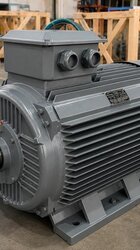
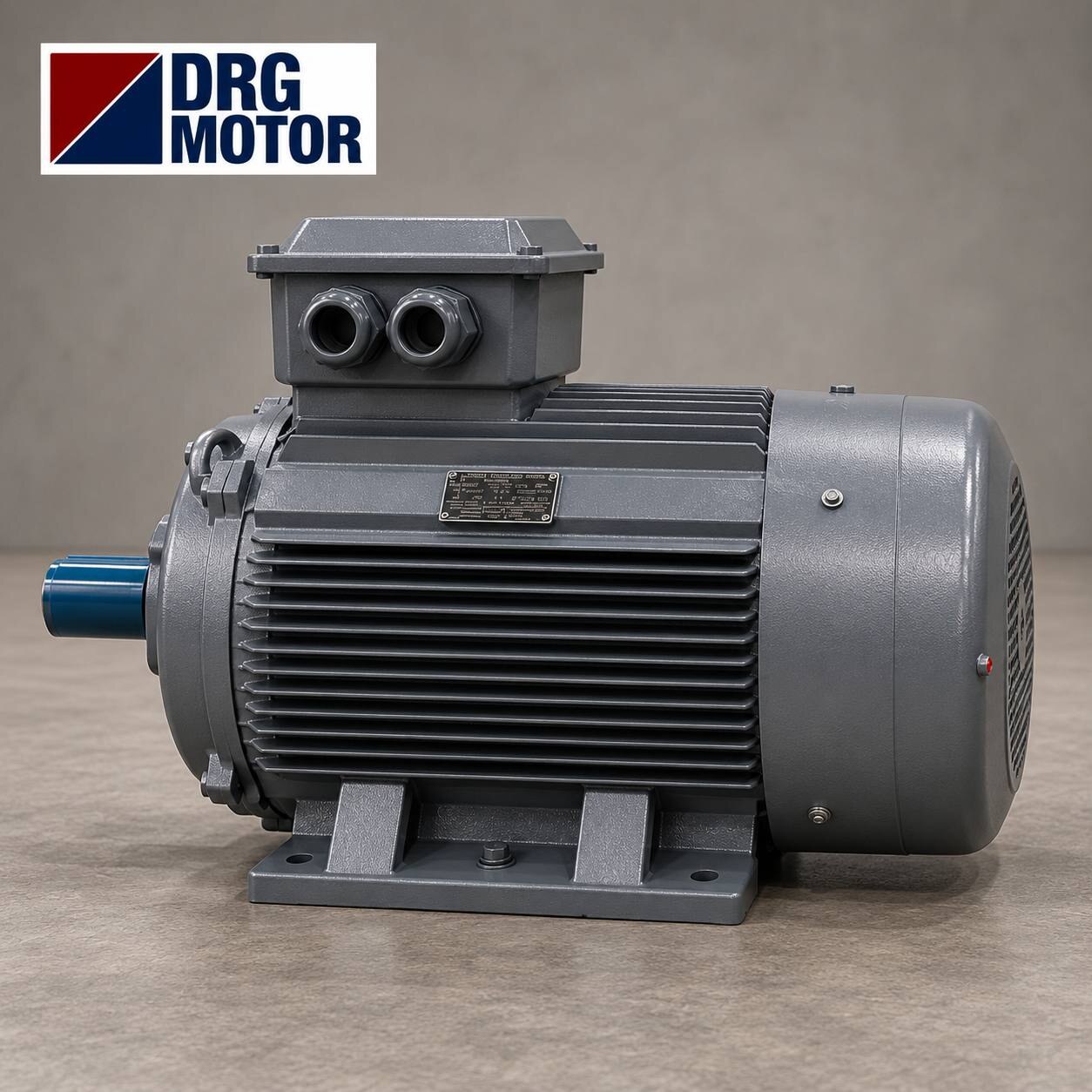

The price of an AC motor is often asked about as if it were a single number, but it actually varies across a wide range depending on the motor's power, speed, efficiency class and frame material. So the right way to understand price is to know, before the label, which technical features make a motor expensive or economical. DRG Motor provides a clear price with a current quotation prepared for your need.
How Power and Speed Affect Price
An AC motor's price is set most of all by its power (kW); there is a large gap between a small 0.55 kW motor and a 355 kW heavy-industry unit. Speed also matters: at the same power, a low-speed 6-pole 1000 rpm motor is larger and costlier than a 2-pole 3000 rpm one.
Efficiency Class and Material
The efficiency gap between IE3 Premium and IE4 Super Premium is reflected in price through the use of higher-grade lamination steel and copper. A cast iron frame is more durable than aluminium but more costly, and this choice also changes the total price.
Reading Price Together with Running Hours
A motor with a low label price can cost more in the long run if it runs at low efficiency. In continuous (S1) applications, the small energy a high-efficiency motor consumes makes up for the initial price gap over time, so price should be weighed together with usage intensity.
Reaching the Right AC Motor Price
The most accurate AC motor price is a quotation drawn up for your application's power, speed and environmental conditions. From its İzmir-based supply, DRG Motor provides a current price quote for IP55-protected AC motors in IE3 and IE4 classes from 0.55 to 355 kW.