 English
 Le français
 Türkçe

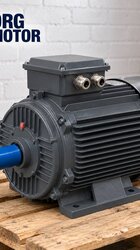
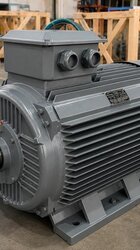
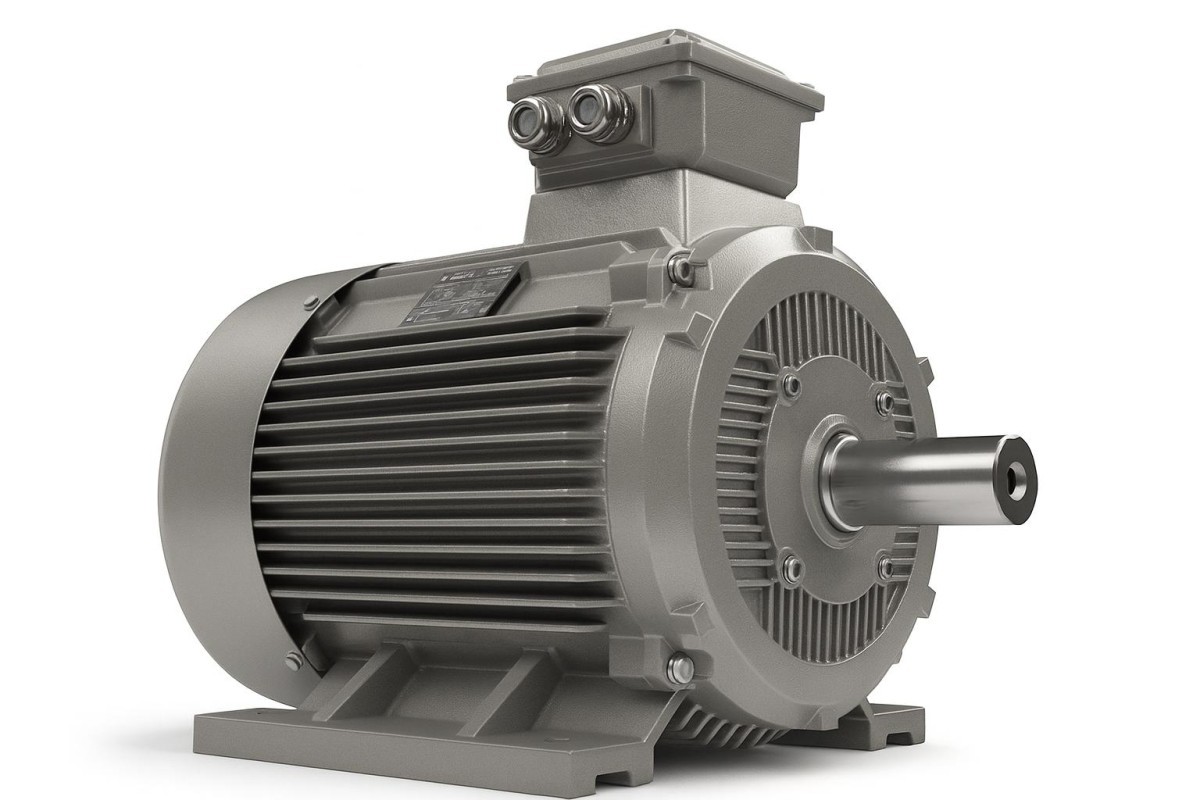

The price of an AC asynchronous motor depends on far too many components to reduce to a single list figure; two motors with the same name carry entirely different costs once their power, speed, efficiency class and frame material differ. Understanding the right price first means knowing these variables.
The Main Factors That Set the Price
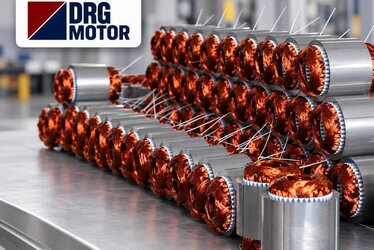
A motor's cost is driven most by power (kW) and speed; at the same power, a 6-pole motor is costed differently from a 2-pole because of the extra copper and iron it contains. Pole count, output power and mounting type add to this.
What the IE Class Changes on the Bill
IE3 Premium and IE4 Super Premium motors carry a higher initial price because they contain more active material than IE1 or IE2. In a continuously running application, however, that gap is recovered over time through lower energy consumption, so price should be weighed together with lifetime cost rather than on its own.
Frame and Protection Class
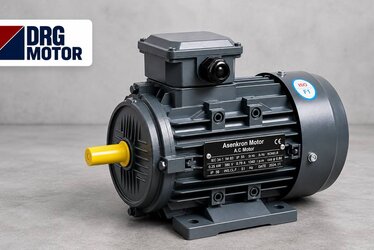
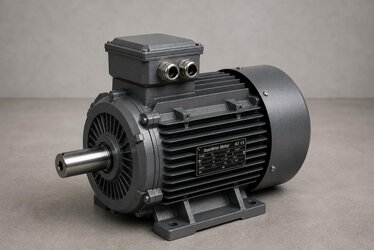
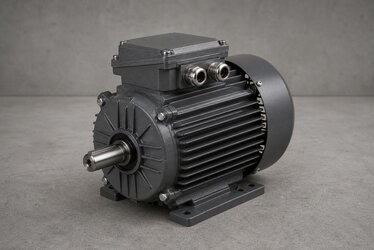
A cast iron frame is more durable than aluminium and therefore affects the price; protection above IP55 and special insulation requests are also reflected in cost. The right price is set by the features genuinely required for the environment.
Getting a Current Quote
A concrete price can only be given for a motor whose power, speed, efficiency class and frame are defined. When you share your requirement, DRG Motor provides a current, clear quote for the configuration suited to your application.