 English
 Le français
 Türkçe

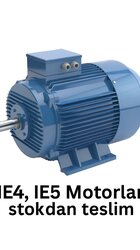
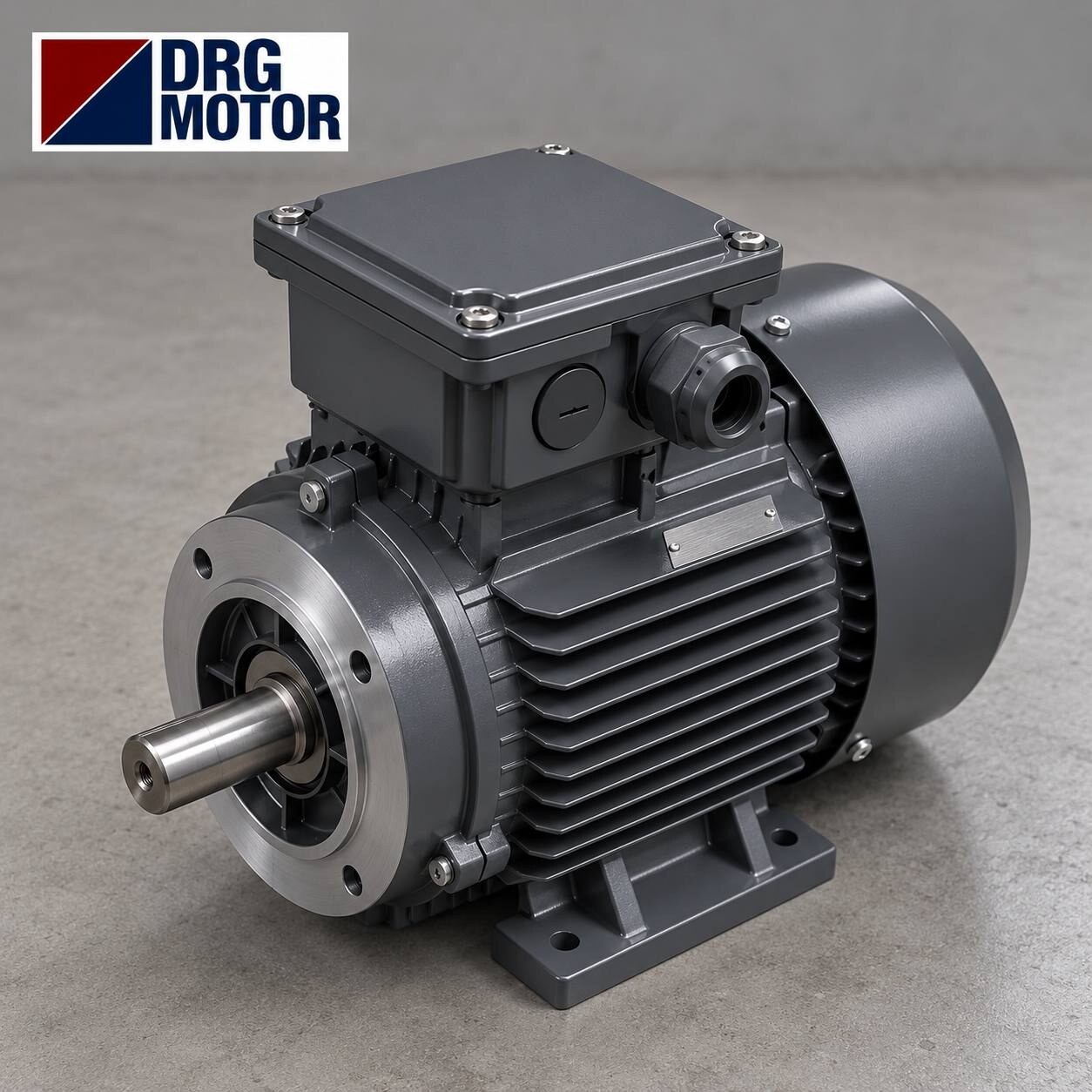

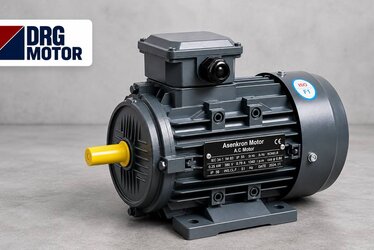
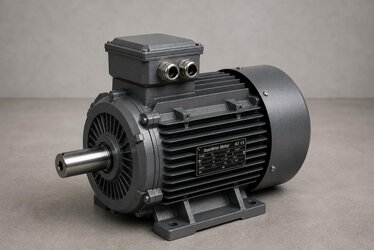
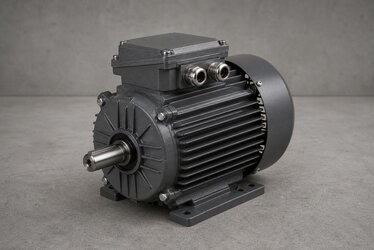
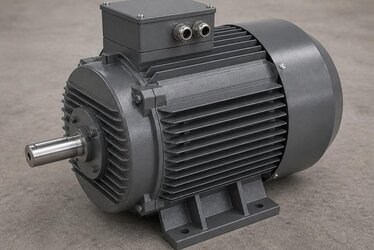
AC motor, asynchronous motor and alternating current motor are often three different names for the same machine. The most common industrial type is the three-phase asynchronous (induction) motor, simple and rugged thanks to its brushless, commutator-free design. It runs by dragging the rotor along with the rotating field created in an AC-fed stator.
Why the Names Get Confused
"AC motor" emphasises the supply type (alternating current), "asynchronous motor" the operating principle (the rotor turning slightly behind the field, below synchronous speed), and "alternating current motor" again the supply. The squirrel-cage induction motor satisfies all three descriptions, so buyers search for the same product under different names.
Operating Principle and Slip
Alternating current in the stator windings produces a magnetic field turning at synchronous speed. The rotor never quite catches it; the 1–5 percent speed difference is called slip and is the very phenomenon that generates torque. As load rises, slip increases slightly and the motor automatically supplies the required moment.
Synchronous Speed and Pole Count
On a 50 Hz supply, synchronous speed depends on pole count: 2 poles give 3000 rpm, 4 poles 1500 rpm, 6 poles 1000 rpm. The actual shaft speed sits below these by the amount of slip. Pumps and fans usually use 4-pole 1500 rpm, while high-speed duties favour 2-pole 3000 rpm.
Which AC Motor to Buy
The right choice rests on matching power, speed, efficiency class and mounting to the application. Three-phase asynchronous motors from 0.55 to 355 kW leave our stock in IE3 efficiency class, with Class F insulation and IP55 protection, in B3, B5 and B14 mounting options. Describe your need clearly and we can settle on the correct configuration together.