 English
 Le français
 Türkçe

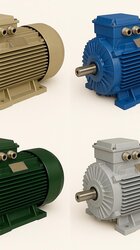
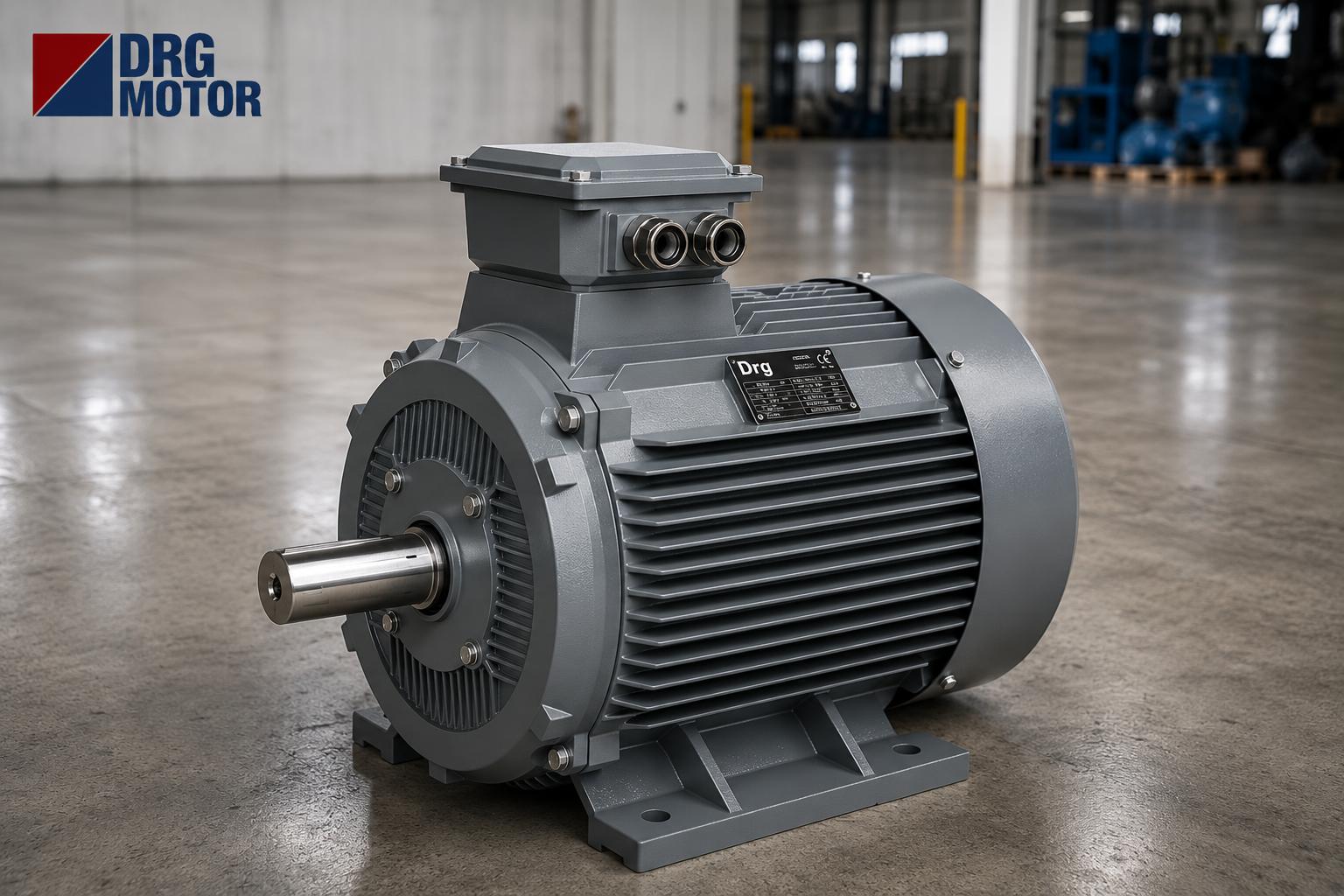

When the same motor burns out for the third time in six months, most plants instinctively call the rewinder first. Yet behind a recurring failure there is rarely a purely electrical mishap; far more often the real culprit is a wrong spec selection made right at the start. If the motor simply does not match the application in terms of power, speed, mounting type or protection class, it will return to the same point no matter how many times it is repaired. A sound approach to motor fault solving does not begin with swapping the broken part, but with questioning whether the motor was ever truly suited to that machine from day one. In this article we work through the spec mistakes hiding behind frequently recurring motor failures and explain how to prevent them at the quotation stage, because a correctly chosen motor costs less than even the cheapest repair.
Why a Repaired Motor Keeps Breaking Down
If a motor fails with the same fault at short intervals, the issue is most likely not the repair quality. Even if the rewinder lays the winding flawlessly and fits the best-brand bearing, the fault will return if the motor was never sized to carry that application's load. A wrong spec keeps the motor running permanently beyond its limit; the winding heats more than it should, the insulation slowly fatigues and breaks down again within a few months. So in recurring failures the real question is not "why did it burn again" but "was this motor ever right for this job". In an effective motor fault solving process the first step is to find the root cause rather than the symptom, and that root cause usually sits back at the purchasing desk, in a wrongly defined spec.
Insufficient Power: The Quietest Cause of Failure
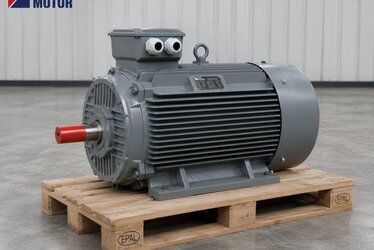
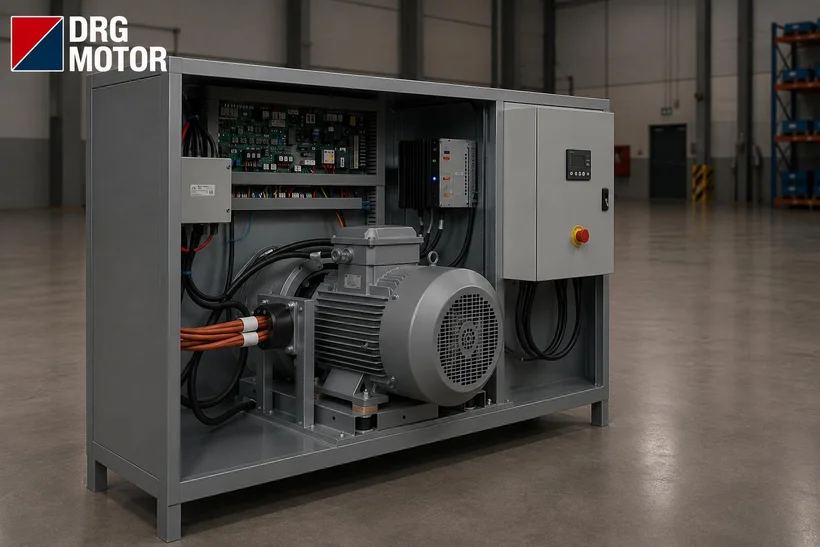
The most common hidden reason for recurring failures is a motor whose power is inadequate for the application. To trim the budget or use what is already on hand, plants often opt for one power class lower. The motor appears to run at first, but as soon as the load rises or the machine grows heavier it is constantly strained beyond full capacity. This continuous overload slowly cooks the winding, and the first burnout follows within a few months. Put back after repair with the same insufficient power, the motor inevitably meets the same end. When sizing the motor, the instantaneous demand, the starting torque, the moment of inertia and any future load growth must all be taken into account. In a great many general applications, correctly sized general-purpose industrial motors eliminate this problem from the outset, because when they are selected for the application's real load they never have to run permanently at the edge.
The Cost of Speed and Torque Mismatch
Even when a motor is at the right power, trouble follows if its speed does not suit the application. Coupling a high-speed motor to a machine that wants low speed and high torque strains the motor continuously; if the gearbox is chosen wrongly, that strain lands directly on the winding and the bearings. Conversely, using a low-speed motor in an application that needs to spin fast also lowers efficiency and raises heat. A speed-torque mismatch is not obvious at first glance; the motor turns, the machine runs, yet the motor is under invisible pressure. Over time that pressure surfaces as bearing wear, vibration and, eventually, a winding failure. The right approach to motor fault solving requires matching the speed and torque curve the machine needs to the motor's own characteristic.
The Unseen Effect of a Mounting-Type Error
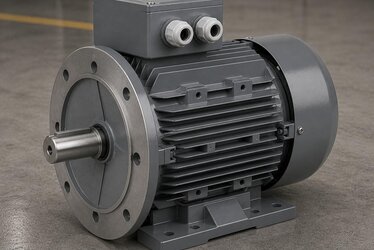
The most frequently overlooked of all spec mistakes is the mounting type. Forcing a foot-mounted motor into a position that needs a flange, or working with the wrong flange dimension, exposes the motor shaft to constant axial and radial load. This misalignment fatigues the bearings early and can bend the shaft; the motor then runs with vibration and fails before long. Mounting-type selection is far more critical than assumed and directly determines the motor's life. To get this decision right, clarifying distinctions such as the b3 b35 fark between mounting types from the outset reduces both the installation cost and the future failure risk. A motor that arrives with the correct mounting type seats onto the machine without strain and carries the load evenly.
Neglecting Protection Class and Ambient Conditions
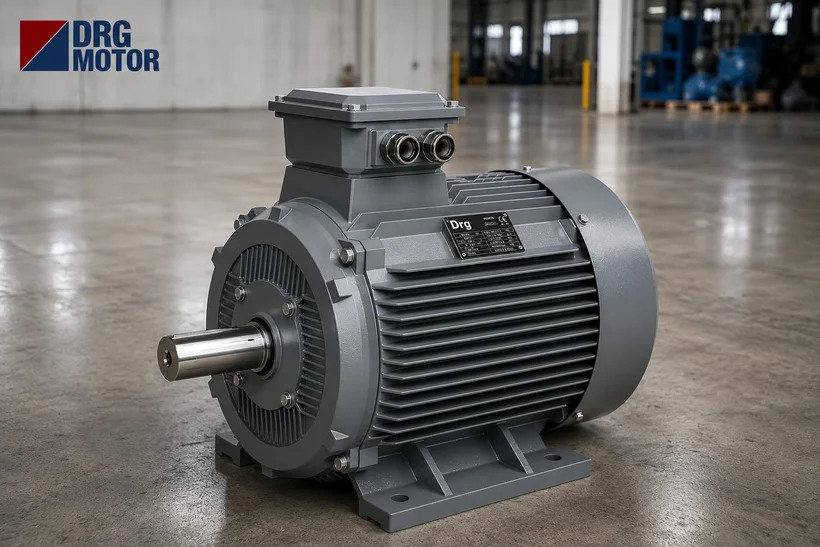
The environment a motor works in rarely gets the weight it deserves at the spec stage. Place a motor with a standard protection class into a dusty foundry, a humid food plant or a line exposed to splashing water, and the dust and moisture that get inside slowly destroy the winding and the bearings. The motor runs fine for a few months, then suddenly fails, and this cycle repeats with every repair. Choosing the right protection class requires an honest assessment of the ambient conditions. In highly humid or corrosive environments, a motor with suitable protection and coating should be preferred over a standard frame. When ambient conditions are ignored, even the highest-quality motor gives in far sooner than expected.
How Housing Material Affects Service Life
The motor's housing material also plays a hidden role in recurring failures. A light, economical housing may not show the expected durability under continuous heavy load or in a high-vibration application; a heavier, sturdier housing, by contrast, dissipates heat better and stays more resistant to vibration in demanding conditions. The wrong housing choice leads to mechanical fatigue and shortens bearing life. When selecting the housing material according to the load profile and operating environment, weighing the alüminyum pik motor comparison between aluminium and cast iron helps you make a sound decision in terms of both initial cost and long-term durability. The right housing is a quiet but decisive factor in extending a motor's life.
Duty Cycle and the Effect of Frequent Starts
How many times a day the motor switches on and off is a heading often skipped in spec selection. Putting a motor chosen for continuous running onto a line that starts and stops many times a minute causes a high current draw and winding heating at every start. Frequently repeated starts fatigue the winding and wear the insulation prematurely. Such applications need a motor with high starting torque and proper thermal management; in addition, pairing it with a variable frequency drive or a soft starter limits the inrush current and protects both the motor and the grid. Any selection made without correctly defining the duty cycle simply feeds the failure cycle.
The Spec Checklist That Ends the Recurring Failure
If a motor keeps giving the same fault, reviewing the following headings one by one before ordering a new motor solves the problem at its root:
- Power: Is the motor powerful enough to meet the application's starting and continuous load needs?
- Speed: Does the motor's characteristic match the speed-torque curve the machine demands?
- Mounting type: Does the foot, flange or combination mounting seat onto the machine without strain?
- Protection class: Is the protection class adequate for the dust, moisture and water in the environment?
- Housing material: Is the housing suited to the load profile and vibration?
- Duty cycle: Continuous or frequent start-stop, and was the motor chosen accordingly?
- Efficiency class: On a continuously running line, was an efficiency class chosen to lower the energy cost?
If even a single heading on this list is mismatched to the application, the fault will return sooner or later. A correctly configured motor, on the other hand, breaks that cycle completely.
The Hidden Cost of the Wrong Supply
Even when the spec is defined correctly, the risk of recurring failure stays high if the motor is bought from a source of unknown origin. With relabelled, parallel-imported or untested products, the efficiency and insulation values often fail to match the nameplate, which means the motor runs with the wrong spec from day one. A motor bought from a B2B supplier is delivered with its invoice, warranty certificate and test report, and a valid warranty and technical support remain accessible if a fault occurs. The right supplier does not simply sell a motor; it listens to your application, sets the spec up correctly with you and removes the recurring-failure risk at the quotation stage. The real cost is hidden in repairing the cheap-looking wrong motor over and over again.
Let Us Break the Failure Cycle Together
A motor that fails repeatedly is, more often than not, a selection problem rather than a repair problem. Every spec heading, from its power and speed to its mounting type and protection class, decides whether the motor truly fits the machine and sets the fate of the recurring failure right from the start. At DRG Motor we identify the spec mistake behind your frequently failing motor together with you, and price the right motor that fully matches your application with a clear delivery time. To achieve a lasting motor fault solving without living through the same failure one more time, send us your machine's operating conditions; we will prepare a quote tailored to your application quickly and lift your production out of this vicious cycle.