 English
 Le français
 Türkçe

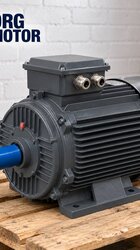
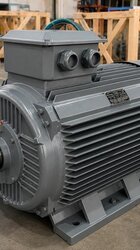
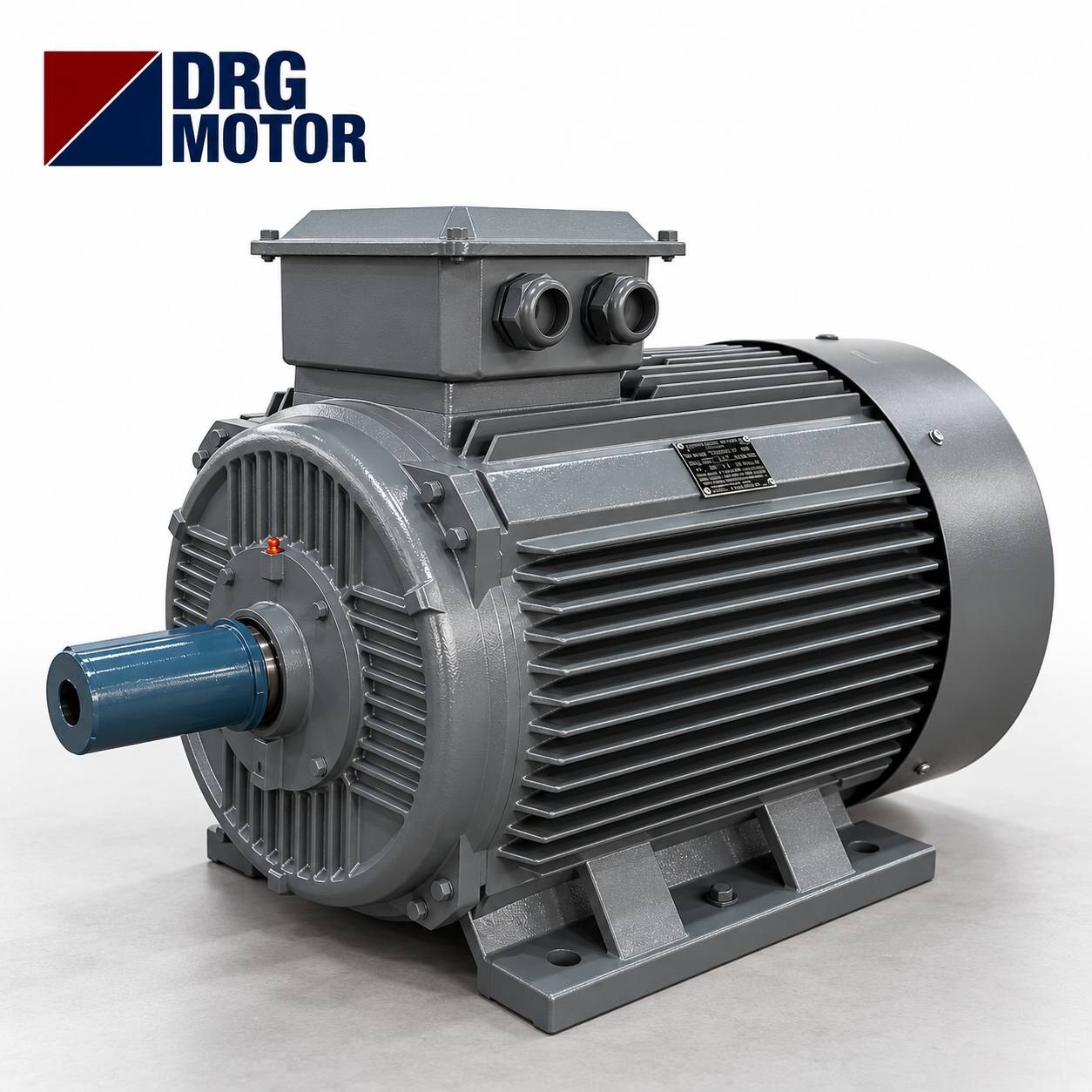

Across Turkey, an AC motor price cannot be reduced to a single list figure; technical features such as power, speed, efficiency class and housing material decide the price directly. A fair comparison is made through equivalent motors defined for the same application rather than headline prices.
The Main Factors Behind the Price
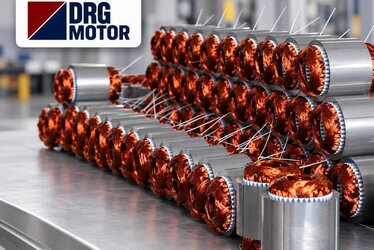
As power (kW) rises, the volume of material and casting grows. As the efficiency class rises (IE3 Premium, IE4 Super Premium), more copper and low-loss steel are used, so the cost increases. A cast iron housing is more expensive than aluminium but more durable for heavy industry.
The Effect of Speed and Mounting
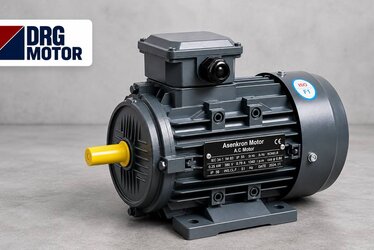
The pole count (2/4/6 poles) affects both the size and the price; at the same power a lower-speed motor is larger and costlier. B3 foot, B5 flange and B14 face mounting options also change the housing machining and therefore the price.
Purchase Price Versus Running Cost
A low nameplate price is not always economical. On a motor running under S1 continuous duty, the electricity cost soon exceeds the purchase price, which is why the efficiency class is an inseparable part of the price decision. The right choice is made by looking at the total cost over the motor's life.
DRG Motor for a Current Quote
DRG Motor supplies in the IE3 and higher efficiency classes from 0.55 to 355 kW. Send us the power, speed, housing type and duty cycle, and we will prepare a current, application-specific quote together.