 English
 Le français
 Türkçe

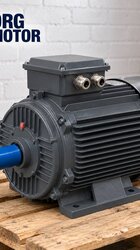
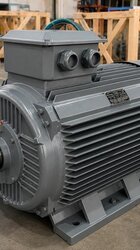
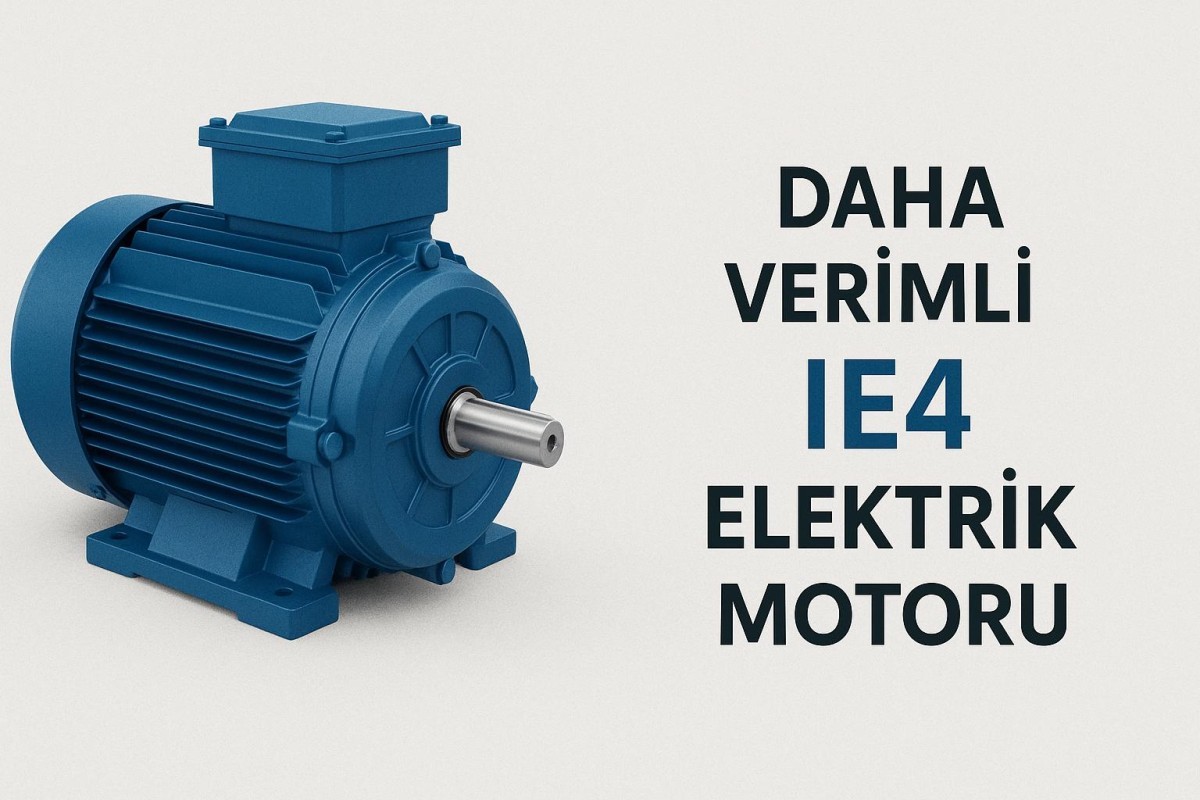

The drive motor of a compressor is the component that directly sets the energy cost of producing compressed air. Since a screw or piston compressor typically runs for most of the day, the motor's efficiency and thermal endurance shape operating expense for years.
How Compressor Load Affects the Motor
Compressors demand a high initial starting torque and run under a varying load throughout the cycle. The motor's starting torque, thermal reserve and bearing choice are therefore set by the compressor type. Piston compressors impose a pulsating load, while screw compressors present a smoother, continuous load profile.
The Balance of Speed and Efficiency
Screw compressors generally use 2-pole 3000 rpm motors; the high speed keeps the compressor unit compact. In these high-speed applications, IE3 and IE4 efficiency classes make the energy difference in continuous running clearly visible. Class F insulation and S1 continuous duty maintain stable temperatures over long hours.
Housing and Cooling
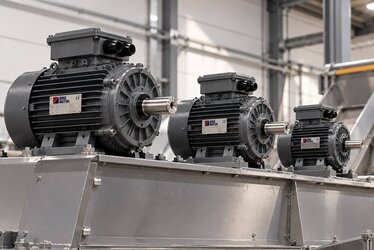
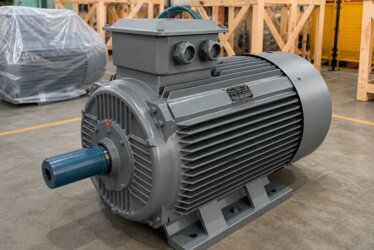
The cast iron housing damps vibration in the compressor environment and spreads heat to the outer surface to aid cooling. IP55 protection shields the windings against oil mist and dust in the compressor room. The B3 foot mounting is commonly preferred in belt-and-pulley driven compressors.
The Right DRG Motor for Your Compressor
DRG Motor supplies high-starting-torque IE3 and IE4 class motors at 400 V / 50 Hz for compressor applications, in various power and frame options. Tell us your compressor type and operating hours and we can prepare a quotation for the most suitable efficiency class and housing.