 English
 Le français
 Türkçe

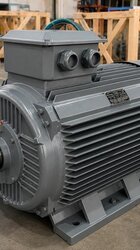
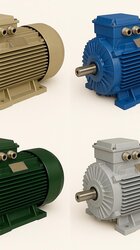
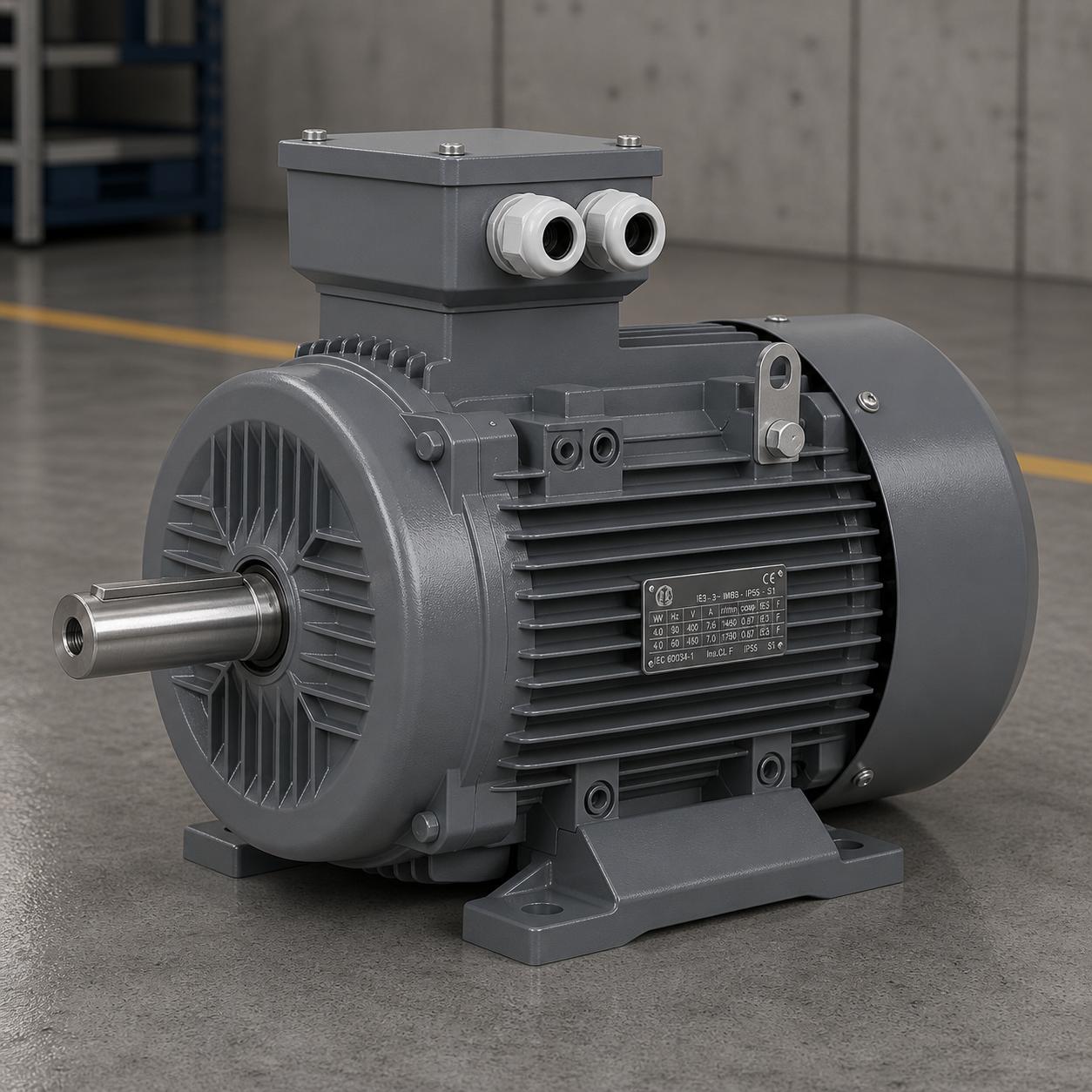

Paint and solvent production plants operate side by side with flammable vapors, solvent gases and combustible dust clouds at nearly every stage of the process. From reactor agitators to filling lines, from solvent recovery units to ventilation fans, most of the rotating equipment sits in zones where an explosive atmosphere can form. Because of this, selecting a motor for a paint plant is not a routine industrial purchase; it is a critical supply decision that directly affects production safety, line continuity and legal compliance. At DRG Motor we provide explosion-proof motor supply tailored to this sector, backed by correct ATEX classification, fast stock access and hands-on technical guidance.
Where explosive atmospheres form in paint plants
Solvents such as xylene, toluene, acetone and ethyl acetate used in solvent-based paint, varnish, thinner and resin production have low flash points. These substances create ignitable mixtures around storage tanks, above mixing vessels, at filling nozzles and inside enclosed spaces where solvent vapor concentrates. In powder coating production, resin and pigment dusts can turn into an explosive dust cloud when mixed with air. In both cases, the electric motors operating in these areas must be certified so that a spark or excessive surface temperature can never become an ignition source. In practice, the hazard in a paint plant is not concentrated only around the large reactors; it builds up at sampling points, near waste solvent collection drums and in the areas where end-of-shift cleaning takes place. For this reason, motor selection has to consider not a single machine but the entire process around that machine and the vapor load in its surroundings.
A situation we frequently encounter when planning paint sector motor supply is that the production area grows over time, and a zone once considered safe later falls into a hazardous area class. When a new filling line is added or solvent consumption rises, a point that previously used a standard motor may now require an explosion-proof one. When we plan the supply process with these growth scenarios in mind, you avoid the cost of having to redesign the line from scratch later on.
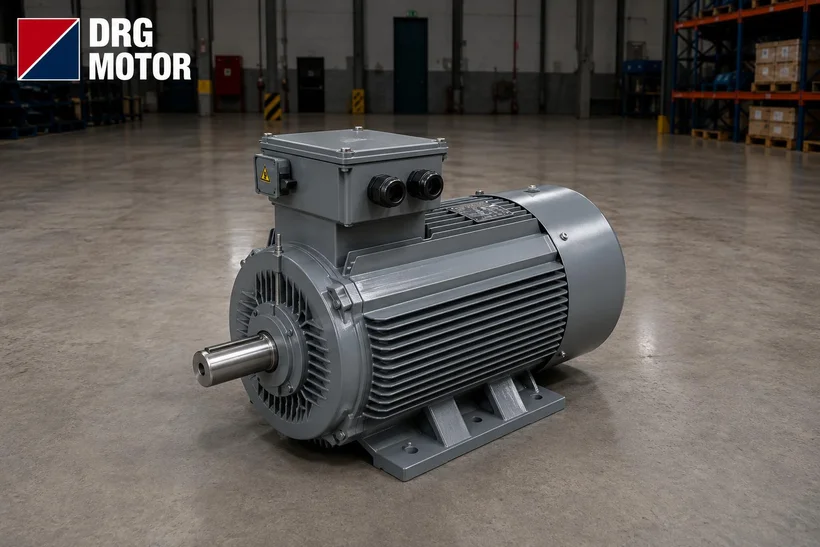
Matching the right ATEX zone and temperature class
The most common mistake in supplying motors for paint plants is ordering a motor before the facility's hazardous area map has been drawn up. Areas with solvent vapor are usually gas group IIA or IIB, while powder coating sections require a separate dust classification. The protection type of the motor, whether Ex d flameproof or Ex e increased safety, is determined by the zone definition and the ignition temperature of the substance present. During the quotation stage we clarify the following to recommend the correct product:
- Whether the operating area is defined as Zone 1, Zone 2, Zone 21 or Zone 22
- The gas group of the solvent and the required temperature class, often T3 or T4
- Whether operation is continuous or intermittent and whether a frequency inverter will drive the motor
- The required ingress protection (IP55 and above) along with ambient temperature and humidity conditions
When we complete this checklist together, we eliminate both the risk of costly over-protection and the safety gap created by under-protection. A common mistake in paint plants is assuming it is always safer to fit every zone with the highest protection class; yet supplying a Zone 1 motor for an area defined as Zone 2 inflates the budget and extends lead times unnecessarily. The right match optimizes both safety and total cost of ownership at the same time.
Application differences across mixers, dispersers and filling motors
At the heart of paint production sit high-speed dispersers and slow but high-torque mixers. These two applications expect entirely different things from a motor. A disperser motor runs continuously at high speed and faces sudden load spikes when it meets viscous resin; sufficient torque reserve and a sturdy bearing structure therefore become important. A mixer motor, on the other hand, must produce high torque at low speed and usually works together with a gearbox. The pump motors on filling lines have a short-cycle load profile, starting and stopping again and again. When we read each application's load characteristic correctly, you neither lose motor life nor pay extra for oversized equipment.
The specific needs of solvent recovery and ventilation lines
Modern paint plants recover solvents to gain both a cost and an emissions advantage. The compressor, pump and fan motors used on these lines run in constant vapor contact and therefore demand the highest protection class. Likewise, the exhaust fans that dilute the explosive atmosphere are among the most critical safety components; when their motor stops, the zone classification itself breaks down. For this reason, the ability to supply fast replacement units from stock for recovery and ventilation motors stands out as the most effective way to prevent unplanned downtime.
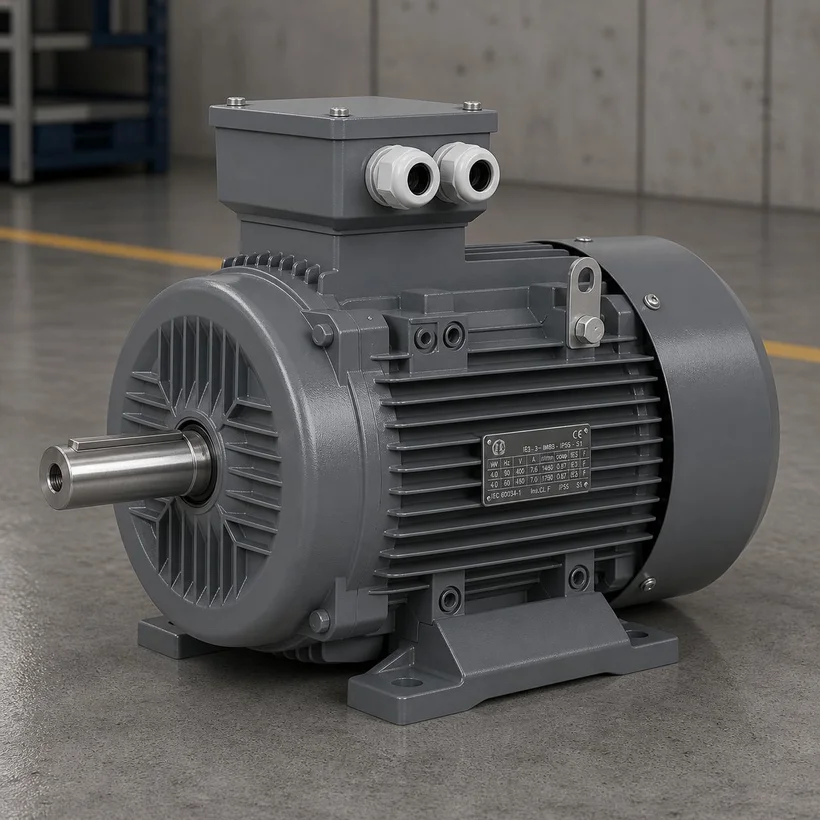
What to watch for with inverter-driven Ex motors
Variable speed control on agitator and pump lines has become standard practice. However, in inverter-driven explosion-proof motors the surface temperature behaves differently than at fixed speed. At low speeds the cooling fan loses efficiency, while at high frequencies additional losses occur. For this reason, in inverter applications the motor's certification must cover VSD use and its temperature class must be validated across that operating range. We question the drive type and operating range during the quotation process to prevent surprises in the field. We detailed a similar approach for vapor-heavy facilities in our content on the kimya ex-proof motor as well.
Stock, lead time and line continuity
In paint production, a motor failure often means risking not a single machine but an entire recipe and batch. A mixing operation that stops halfway can send the product to scrap. That is why, in choosing a supplier, not only price but readily available stock across critical power and speed ranges becomes decisive. At DRG Motor we keep commonly used Ex-proof frame sizes in stock and deliver solutions with short lead times in emergencies. At the same time, for your standard industrial applications we offer our general-purpose industrial motors range within the same supply discipline. This way you can cover every motor need across both hazardous and non-hazardous zones from a single supplier, with a consistent frame and connection standard.
The hidden items that drive total cost
In a paint sector motor investment, the initial purchase price is only one part of the picture. The real cost of a motor emerges together with its energy efficiency, expected failure frequency, spare availability and the production cost of downtime. For a motor running in a solvent environment, an IE3 or higher efficiency class delivers a clear saving on the annual energy bill. A cheap but low-efficiency motor, by contrast, recovers the price difference many times over within a few years. When preparing an offer we transparently share the label price and the multi-year cost impact the motor will have in your plant.
Maintenance, spare parts and field support
An explosion-proof motor can lose its protective property through incorrect maintenance. Damage to flameproof joints or the use of the wrong gasket can render even a certified product unsafe. That is why we clarify the maintenance requirements and access to original spare parts of the motors we supply from the very start. The narrow maintenance window in paint plants makes it essential to plan spare motors and critical parts in advance. By consistently supplying from the same frame family, we simplify your stock management and shorten emergency response time.
Certification, traceability and audit-ready documentation
Paint and solvent plants must present conformity documents for all equipment used in explosive atmospheres during workplace safety audits. A motor with missing or incorrect certification creates the risk of a nonconformity and a line shutdown. The explosion-proof motors we supply come with ATEX marking, a certificate number and technical data sheets, so your filing and traceability processes run smoothly. Our supply experience with the doğalgaz ex-proof motor, where we work with the same rigor on pipeline and energy applications, also feeds the documentation standard we apply in the paint sector.
The DRG approach to paint sector motor supply
When it comes to paint sector motor needs, our priority is not to sell a motor but to deliver the product that truly matches the plant's risk map. To achieve this we work together with your purchasing, maintenance and safety teams, verifying zone, power, protection type and drive compatibility one by one. Because the net price is shaped by the application's power, protection class, quantity and delivery urgency, we evaluate each request separately and prepare an offer specific to your organization.
Your next step: a quote tailored to your plant
Let us map out together where your solvent-based or powder coating production line needs explosion-proof motors. Once you share your zone classification and technical requirements with us, we prepare a corporate offer matched to the correct protection type and temperature class, with stock and lead time clearly defined. Rather than leaving your production safety to chance, contact the DRG Motor team for Ex-proof motor supply suited to your paint and solvent plant, and we will respond to your request the same day.