 English
 Le français
 Türkçe

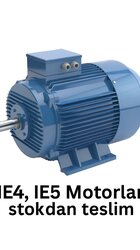
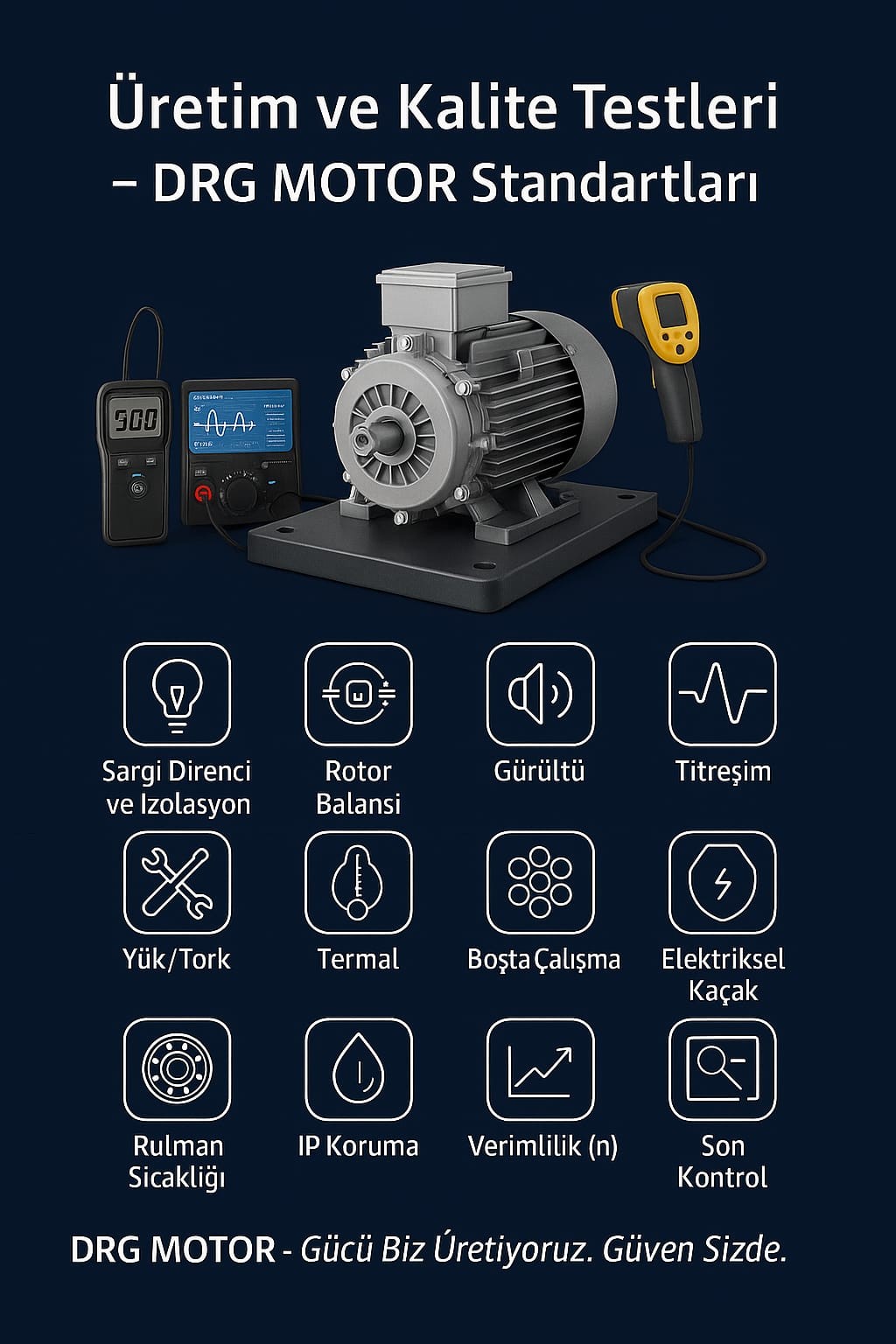

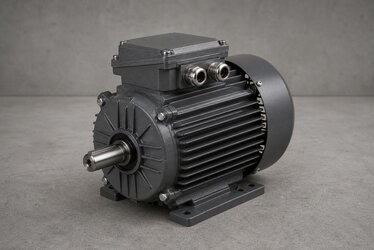
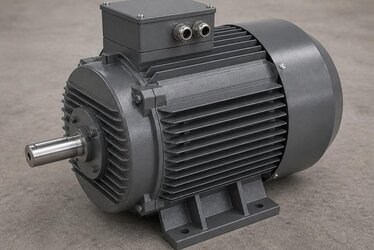
Industrial induction motors are three-phase machines that work by the rotating magnetic field inducing current in the rotor, and they drive the bulk of the equipment found in factories. The squirrel-cage rotor has no wearing parts such as brushes or slip rings, which makes these motors reliable in demanding production environments.
How an Induction Motor Works
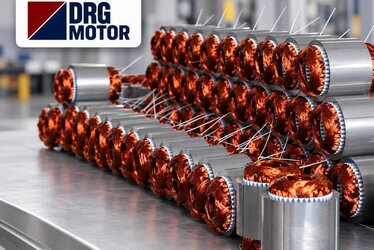
Current applied to the three stator windings with a 120-degree phase shift creates a rotating magnetic field. This field induces current in the rotor bars, and the resulting force turns the rotor. Because the rotor turns slightly below field speed, these motors are called asynchronous, and the difference is known as slip.
Built for Industrial Use
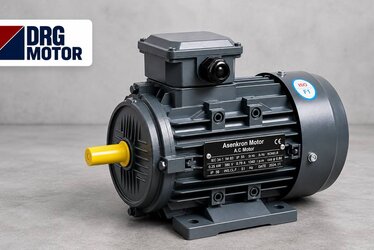
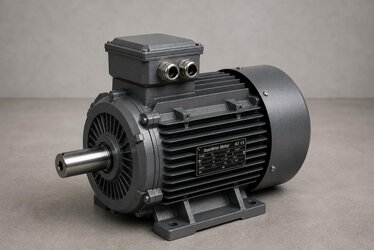
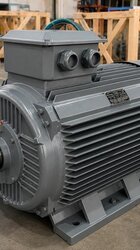
Dust, moisture and constant load are standard on a factory floor. Industrial motors therefore feature IP55 protection, Class F insulation, a cast iron frame and S1 continuous duty. The cast iron frame damps vibration and keeps the motor mechanically robust on heavy drives.
Speed, Power and Mounting Options
On a 50 Hz supply, 2 poles give 3000, 4 poles 1500 and 6 poles 1000 rpm. Conveyors and mixers favour 4 and 6 poles, while pumps and fans use 2 and 4 poles. B3 foot, B5 flange or B14 face mounting determines how the motor attaches to the machine.
DRG Industrial Motors
DRG Motor supplies 400 V / 50 Hz IE3 Premium induction motors from 0.55 to 355 kW at its plant in Izmir. For an industrial motor matched to your load, speed and mounting requirements, please get in touch with us.