 English
 Le français
 Türkçe

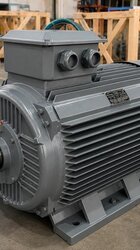
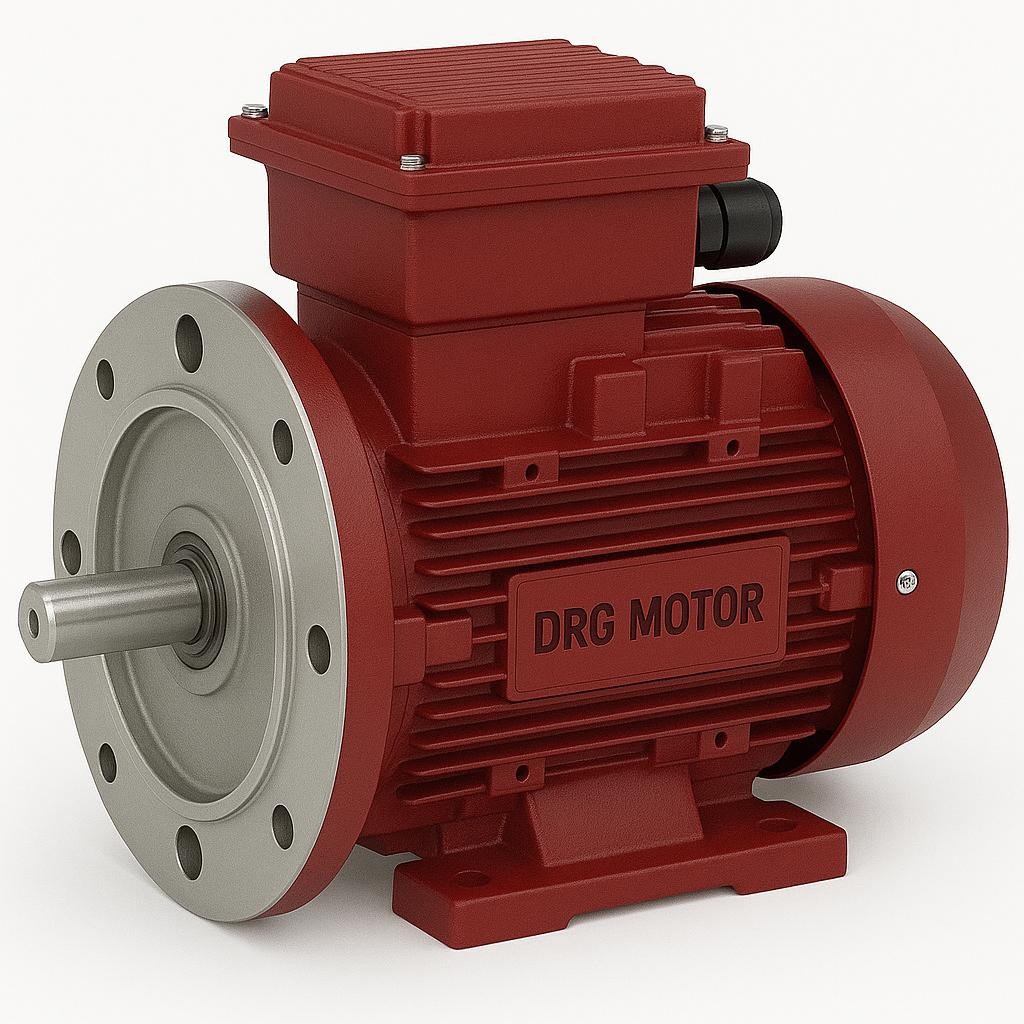

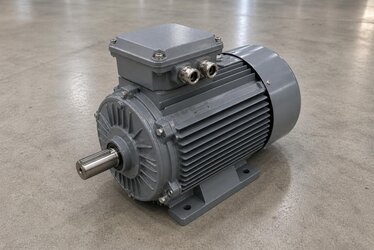
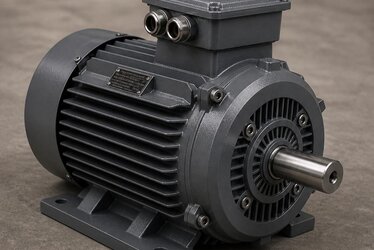
IE4 motor prices are shaped by many technical variables, from power and speed to frame material and mounting type. Instead of quoting a fixed list, this article explains what determines the cost of an IE4 (Super Premium) motor and why the purchase price alone can be misleading.
Technical Factors Behind the Price
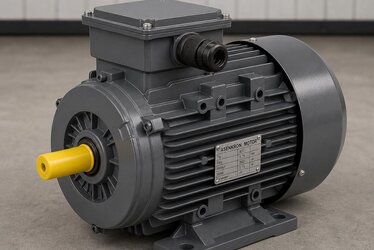
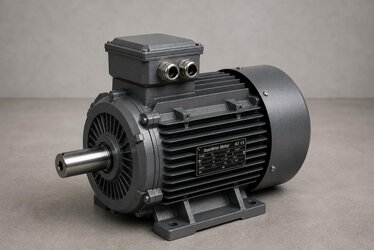
Power (kW) and pole count influence an IE4 motor's cost the most; at the same rating a 6-pole model is priced differently from a 2-pole one because it contains more active material. A cast iron frame versus aluminium, and a B5 flange mount versus a B3 foot mount, both change the figure. Options such as higher than IP55 protection, a special shaft diameter or a thermistor are also reflected in the price.
The Efficiency Advantage of IE4
Under the IEC 60034-30-1 standard, IE4 denotes the Super Premium efficiency class and noticeably reduces losses compared with IE3. For a motor that runs continuously, the energy bill far exceeds the purchase price; the initial price gap of an IE4 motor is therefore recovered through electricity savings at high operating hours.
Lifetime Cost
The true cost of a motor is purchase plus energy plus maintenance. In a plant running long daily hours, energy makes up by far the largest share. Thanks to its low losses, the IE4 class lowers total cost of ownership; its lower running temperature extends bearing and insulation life, reducing maintenance frequency as well.
Getting a Current Quote
An accurate price can only be given once your requirement is clear. When you send DRG Motor the kW rating, speed (pole count), frame and mounting type, a current and precise IE4 quote is prepared with the advantage of Izmir-based manufacturing. Share your operating hours too, and the payback period of the price difference can be calculated together.