 English
 Le français
 Türkçe

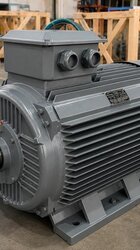
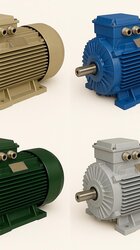
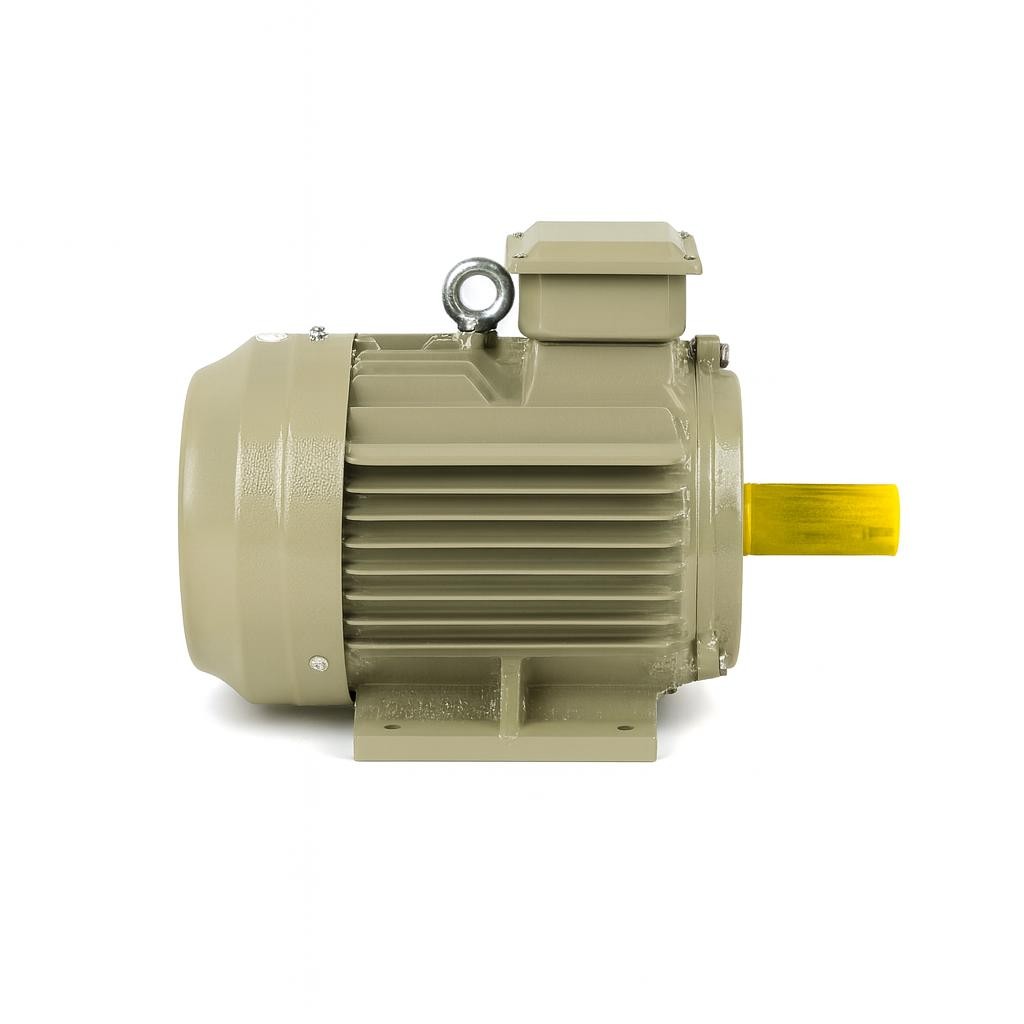

An IE4 electric motor meets the "Super Premium" efficiency class of the IEC 60034-30-1 standard and noticeably cuts losses compared with an IE3 unit of the same rating. In continuously running pumps, fans and compressors, most of the energy bill is spent inside the motor, so a single step up in efficiency class keeps paying back over the years of operation.
What Sets the IE4 Class Apart?
IEC 60034-30-1 ranks efficiency as IE1 (Standard), IE2 (High), IE3 (Premium), IE4 (Super Premium) and IE5 (Ultra Premium). IE4 motors use lower-resistance copper windings, optimised stator and rotor slot geometry, and thinner low-loss silicon steel laminations. Together these lower the copper and iron losses, so the motor delivers the same shaft power while drawing less electricity.
Matching Speed, Poles and Load
On a 50 Hz supply the synchronous speed depends on the pole count: 2 poles give 3000 rpm, 4 poles 1500 rpm and 6 poles 1000 rpm. The efficiency advantage of an IE4 motor is clearest between half and full load, so the rating should reflect what the application actually needs rather than being oversized. A wrong pole choice or an oversized motor erodes the efficiency gain.
Mechanical Build and Protection
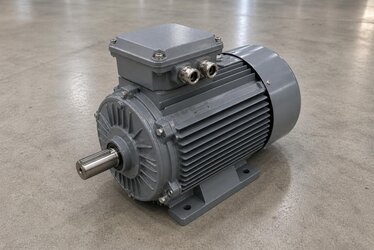
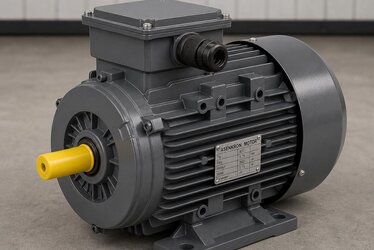
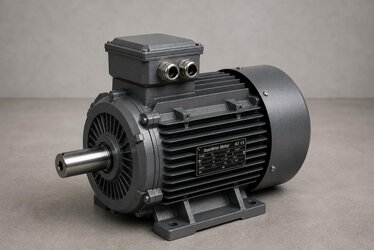
DRG IE4 motors are built with a cast iron housing, IP55 protection and Class F insulation, rated for S1 continuous duty. The cast iron frame damps vibration and spreads heat across its surface, keeping winding temperature down and extending insulation life. The mounting can be specified as B3 (foot-mounted), B5 (flange-mounted) or B14 (face-mounted) to suit the drive.
When Moving to IE4 Makes Sense
For plants that run many hours a day with a steady load profile, the higher purchase price of an IE4 motor is recovered within a reasonable time through lower energy cost. DRG Motor supplies IE4 motors from 0.55 to 355 kW from its İzmir manufacturing base; share your power, speed and mounting needs and we will help you pick the right model.