 English
 Le français
 Türkçe

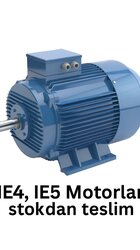
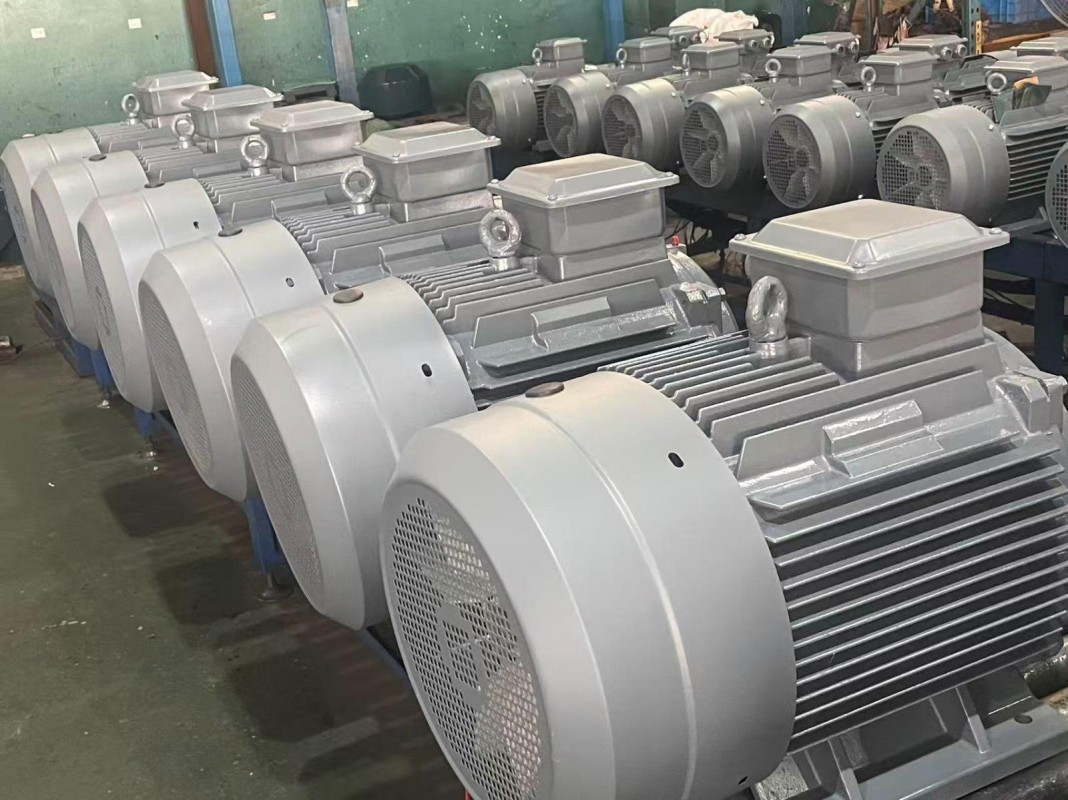

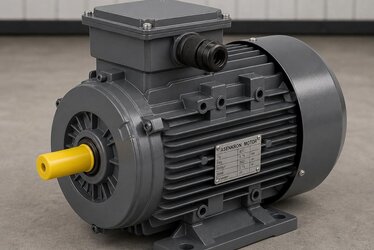
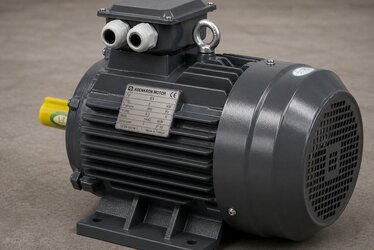
The price of an IE3 electric motor is not a fixed list figure but the result of several technical variables. Even within the same efficiency class, two motors with different power, speed and frame material will differ noticeably in price. This article explains the factors that shape an IE3 motor budget and how to get an accurate quotation.
The Main Factors That Set the Price
The first factor is rated power; there is a large difference in material and labour between a 0.55 kW and a 355 kW motor. The second is speed, that is the pole count: at the same power, a 6-pole (1000 rpm) motor is usually bulkier and costlier than its 2-pole (3000 rpm) counterpart. Frame size feeds directly into price.
How the Efficiency Class Affects Cost
An IE3 Premium motor uses higher-grade copper windings and low-loss steel compared with an IE1 Standard equivalent, so its purchase price is higher. But this class, mandated by IEC 60034-30-1, closes the gap through lower energy consumption in continuous operation. Price should be judged not by the label alone but by lifetime cost.
Body, Mounting and Protection
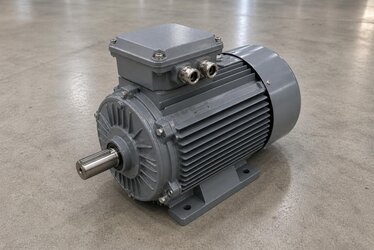
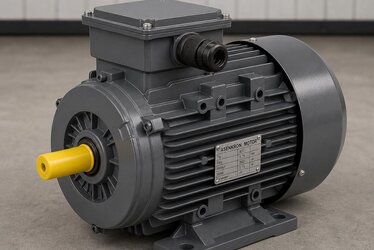
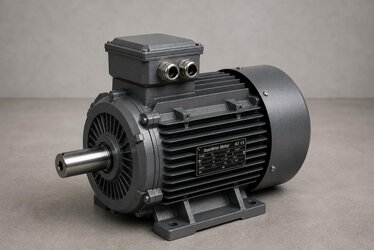
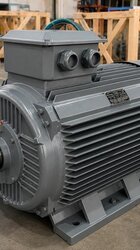
A cast iron motor costs more than an aluminium one but lasts longer in harsh conditions. The choice of B3 foot, B5 flange or B14 face mounting, along with standards such as IP55 protection and F-class insulation, also affects the final price. Each requirement is a separate cost item.
Getting the Right IE3 Quotation
İzmir-based supplier DRG Motor supplies IE3 motors from 0.55 to 355 kW, suited to a 400 V / 50 Hz supply. For an exact price, simply share the power, speed, mounting type and frame material you need; a current quotation tailored to your application is prepared quickly.