 English
 Le français
 Türkçe

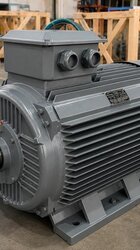
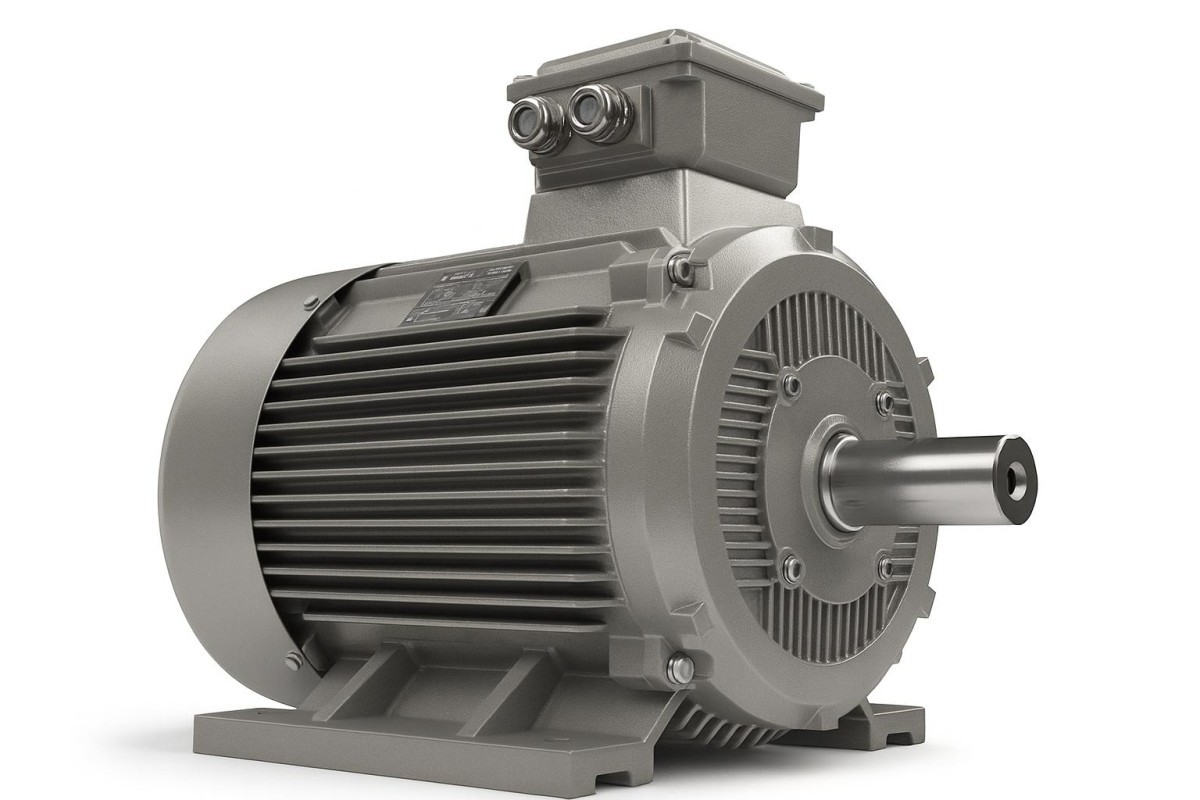

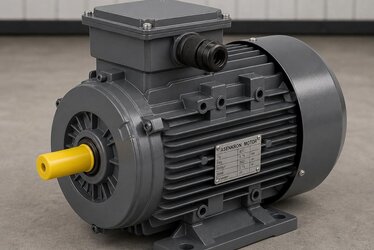
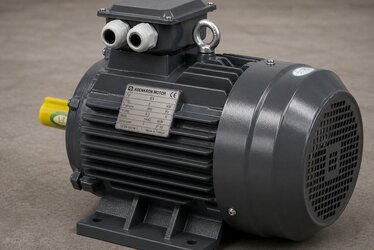
For high kW IE3 electric motors, the price is never a single figure; it results from a combination of technical factors ranging from rated output to frame material. At larger ratings such as 55, 90, 132 or 250 kW, even within the same efficiency class the cost shifts noticeably with pole count and mounting type. A meaningful quote therefore starts with the load profile of the application.
Technical Factors That Set the Price
The rated output in kW is the primary driver: as power rises, so does the amount of copper and active steel, and with it the cost. Beyond that, the choice of 2-pole (3000 rpm), 4-pole (1500 rpm) or 6-pole (1000 rpm) speed, B3 foot-mounted or B5 flange mounting, a cast iron frame and IP55 protection all feed directly into the final figure.
Why Efficiency Class Changes the Cost
IE3 Premium motors use more copper and lower-loss laminations than IE1 and IE2. This material difference shows up in the purchase price, but at high kW ratings the plant's annual energy consumption is large, so the gap is usually recovered quickly through the electricity bill.
Lifetime Cost and Procurement
On a large motor the purchase price is modest next to the energy it draws over its service life. An IE3 motor with Class F insulation, built for S1 continuous duty, runs for years with few faults and lowers the total cost of ownership. Correct power and speed selection therefore matter more than the headline price.
Getting a Current High kW IE3 Quote
As an Izmir-based supplier, DRG Motor supplies three-phase IE3 Premium motors from 0.55 to 355 kW. Because the current price of a high kW unit depends on output, speed, frame and mounting, sharing your application figures lets us prepare an up-to-date, project-specific quotation.