 English
 Le français
 Türkçe

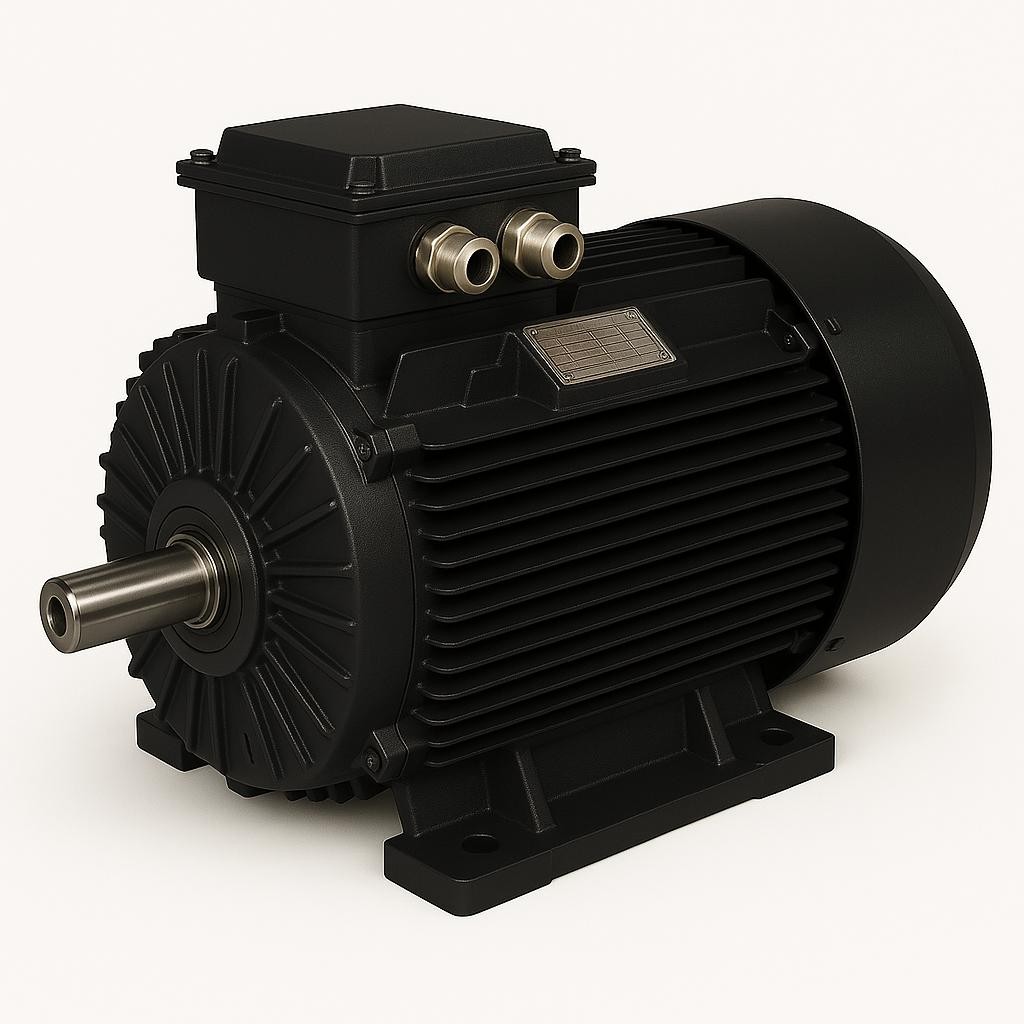

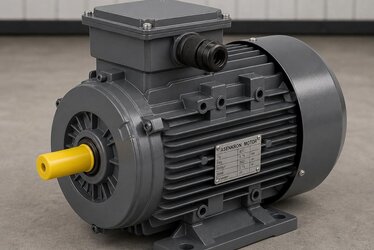
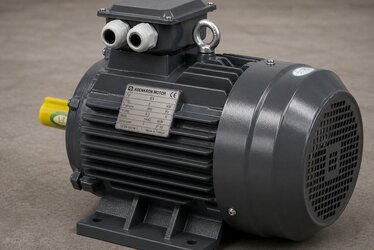
On high-kW AC motors, the choice of efficiency class is the longest-term decision of the investment. Buying the same-power motor in IE3 (Premium) or IE4 (Super Premium) directly changes the initial cost, the energy use and the payback time. In this article we compare the two classes in the context of high power.
The Difference Between IE3 and IE4
Under IEC 60034-30-1, IE4 runs with lower losses than IE3 at the same kW. At high power this small percentage gap corresponds to a large absolute amount of energy, because losses scale with the size of the power. On a hundred-kilowatt motor, a few points of efficiency gain create a visible drop in annual consumption.
Running Hours Decide
The extra cost of IE4 pays for itself according to how much the motor runs. On multi-shift lines turning without interruption, IE4 quickly proves its advantage; on a standby motor running few hours a year, IE3 may be the more balanced choice. The right class is a question of operating profile, not price.
Thermal and Mechanical Build at High kW
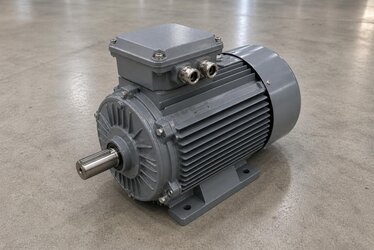
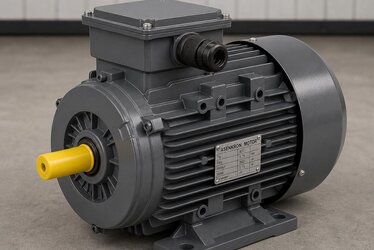
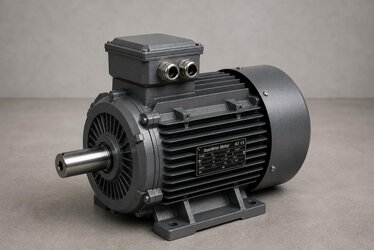
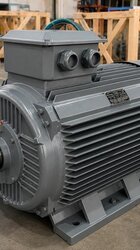
In both classes, high-kW motors are built with a cast iron frame, Class F insulation, S1 continuous duty and IP55 protection. IC411 fan cooling manages full-load heat. Because IE4 motors run with lower losses, they generally stay cooler, which adds to insulation life.
Which Class to Choose
DRG Motor offers high-kW AC motors from 30 to 355 kW in both IE3 and IE4 efficiency classes, in 2/4/6 poles and B3/B5 mounting. Share your annual running hours and power need, and we can weigh up the class best suited to you between IE3 and IE4 together.