 English
 Le français
 Türkçe

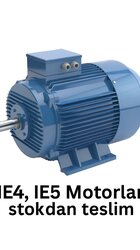
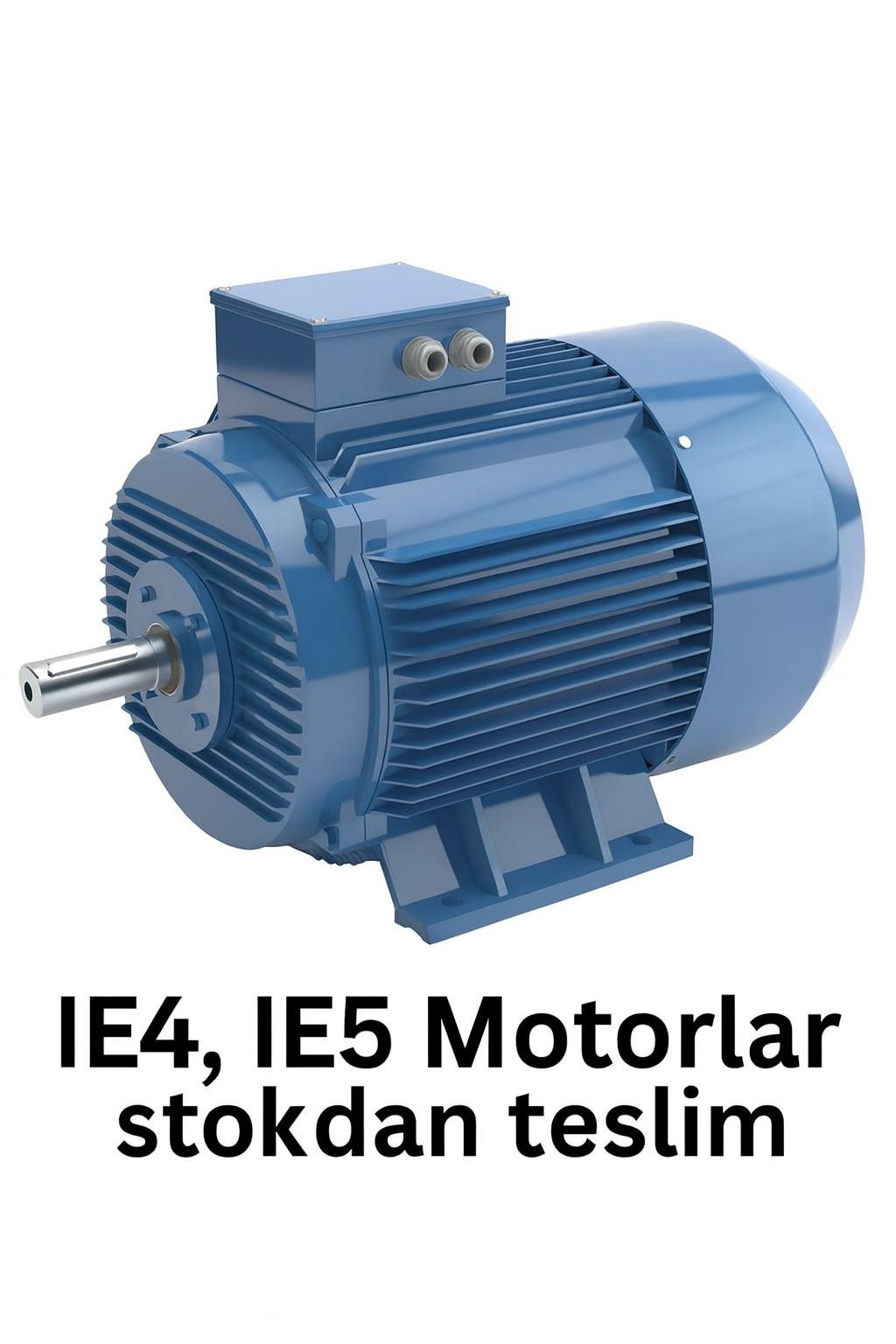

A nameplate reading IE4 is a claim about one operating point, not about the working day. Read the rest of the plate before trusting it: the class printed on electric motors is measured at rated load and rated frequency, so a machine sitting at a third of its load, or running at part speed behind an inverter, will not deliver the number stamped on it.
Traps in Reading the Efficiency Plate
Three of them cost real money. A class quoted for a different pole count than the one delivered. An efficiency figure measured at 50 Hz assumed to hold when the motor is run at part speed through an inverter. And a plate naming the class without naming the standard edition it was measured against. The plate is checked against the delivered pole count and the intended duty; it is not read as a headline.
Pole Count Changes What a Class Is Worth
For the same rating, IEC 60034-30-1 defines different minimum efficiencies for 2, 4 and 6 pole machines, and the low-speed 6 pole build sits lower on the scale than the 2 pole one. Comparing an IE3 6 pole motor with an IE4 2 pole motor as though the label were the only difference therefore compares nothing useful. Fix the pole count first, then compare the class.
Upgrading an Existing Fleet in the Right Order
A plant does not replace every motor at once and does not need to. Rank the fleet by running hours multiplied by rating: the drive turning 6000 hours a year at high power repays a class upgrade first, while a machine used a few hours a week repays it last, if at all. Working down that ranked list spends the same budget for a far larger saving than replacing whatever fails next.
Maintenance Decides Whether the Class Survives
The class is a property of the motor as built; what it delivers after five years depends on the plant. Clogged cooling ribs raise the winding temperature and the losses with it, a misaligned coupling and a slack belt turn shaft power into heat, and a rewind done with thinner copper quietly drops the machine a class without changing the plate. DRG Motor supplies IE3, IE4 and IE5 from 0.55 to 355 kW at 400 V / 50 Hz; send the pole count and the yearly hours and we mark which class pays back on which drive.