 English
 Türkçe

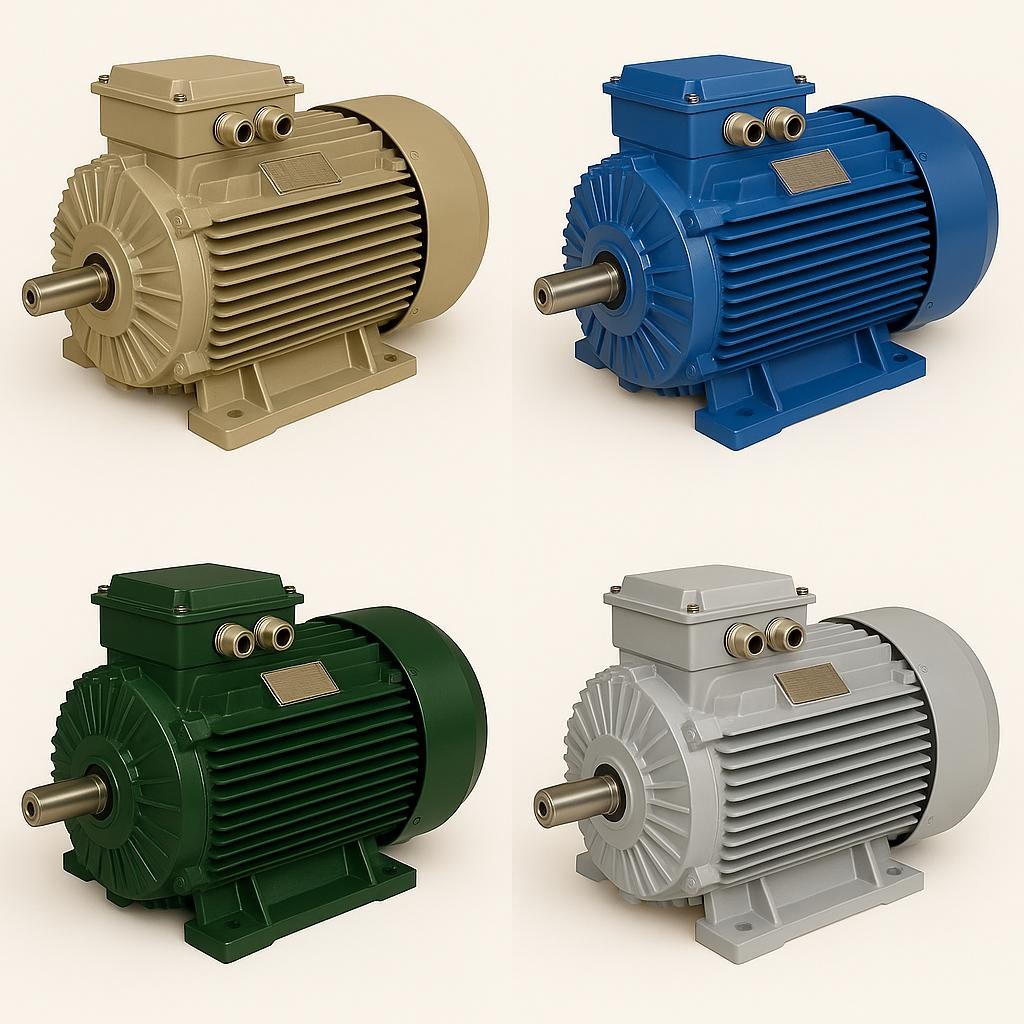

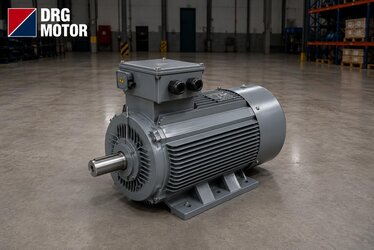
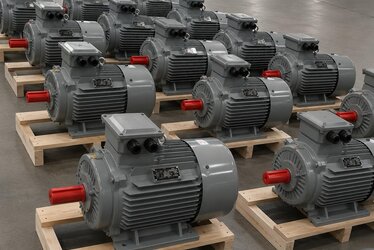
Industrial electric motors are the driving power sources that set the rhythm of the production line, working under load all day long. What pumps, fans, compressors and conveyors in a plant have in common is that an electric motor turns behind each of them, so the motor choice directly affects production continuity.
How Industrial Load Affects the Motor
A conveyor in continuous (S1) operation and a press that starts frequently demand different things from a motor. The first needs to stay cool for long periods at constant torque, the second needs high starting torque and the ability to withstand frequent starts. When the wrong duty cycle is chosen, the motor overheats and its life is shortened.
What Efficiency Means in Production
A motor's efficiency shows how much of the electricity it draws is converted into mechanical power. An IE3 Premium or IE4 Super Premium class motor does the same work with less energy, reducing both the bill and the cooling load. In a plant with many motors, this difference adds up to meaningful savings.
Durable Frame and Protection
In dusty, humid and vibrating industrial environments, the IP55 rating protects the windings from external factors. The cast iron frame keeps its form against mechanical shock and vibration, while Class F insulation withstands high temperatures. Together these three let the motor run safely for years.
Selecting the Right Motor for Your Plant
An efficient industrial motor only shows its true value when power, speed and mounting type suit the application. The IE2, IE3 and IE4 class range held at our Izmir warehouse runs from 0.55 to 355 kW; match it against your plant's load profile.