 English
 Le français
 Türkçe


In an electric motor that runs continuously under load, durability is an engineering balance that spans the housing material, the bearing selection, the insulation class and the protection rating. When a motor stops on a production line, the line stops with it, so buying a genuinely durable motor is often cheaper than stocking several spare parts.
Housing Material and Mechanical Strength
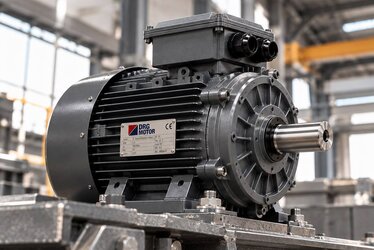
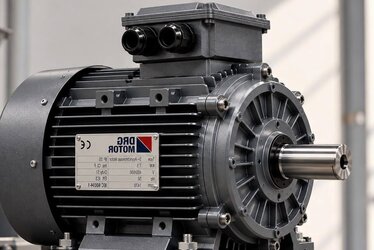
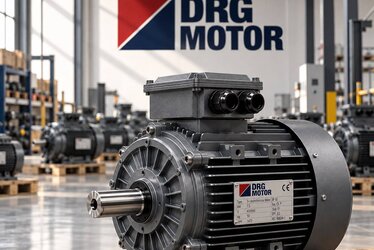
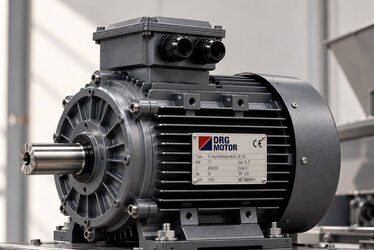
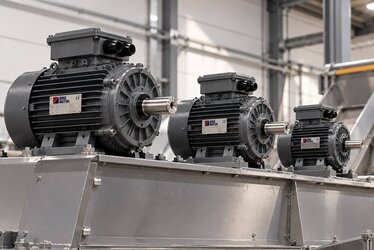
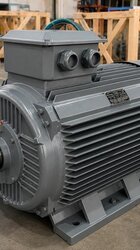
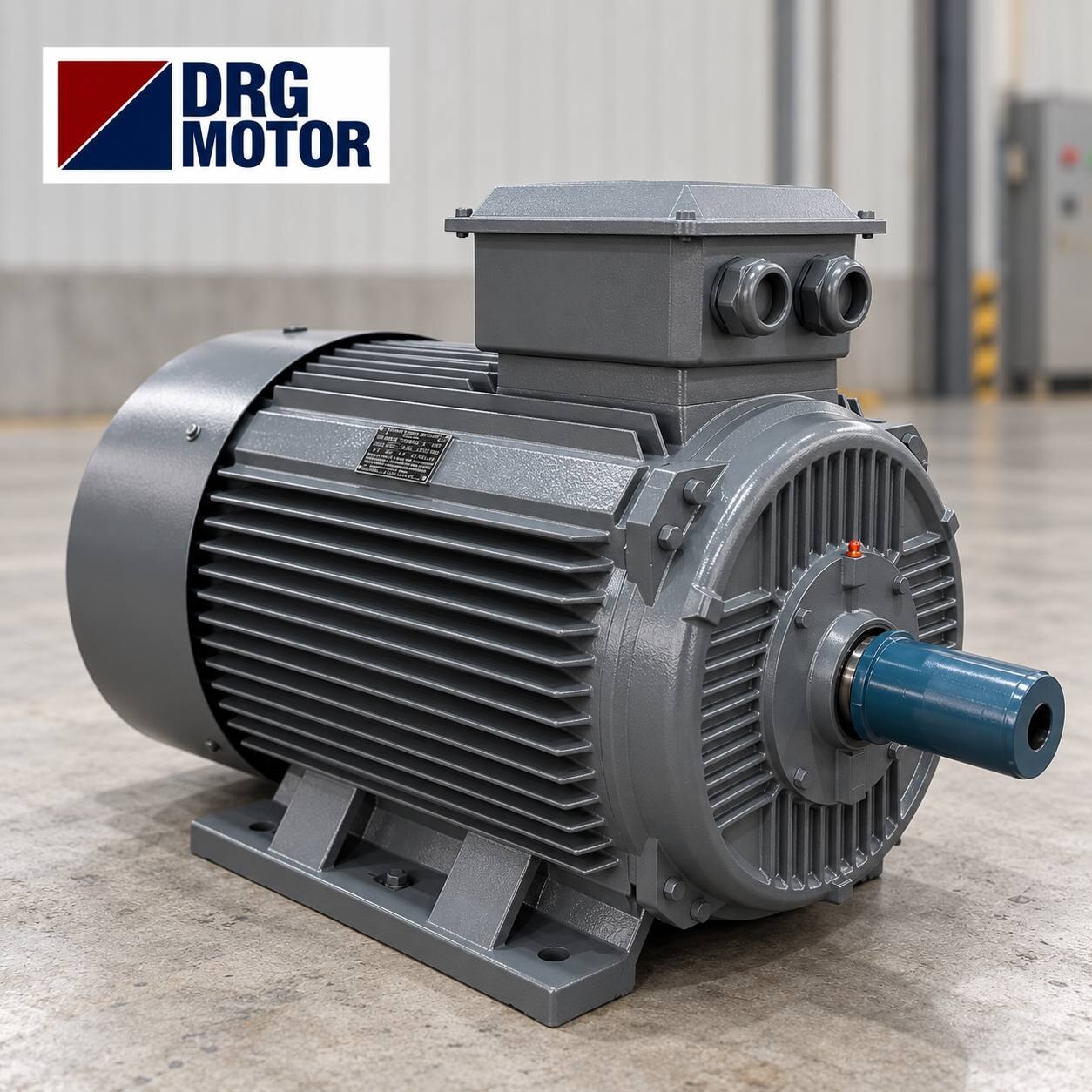
A cast iron housing offers a clear advantage over aluminium in conveyor, crusher and mill applications where vibration and impact are severe. Cast iron spreads heat across a large surface, carries mechanical stress and keeps terminal box and flange connections sound for many years. DRG Motor uses its cast iron range for exactly these duties.
Insulation, Protection and Duty Cycle
Class F insulation withstands winding temperatures up to 155 °C, leaving a safe margin even during high summer ambient temperatures. IP55 protection seals the winding against dust and water jets, while S1 continuous duty means the motor can run at rated power around the clock.
Bearing Life and Service Interval
The hidden side of durability is usually the bearings. Bearings fitted with correct preload and lubricated with the right grease extend the service interval and reduce unplanned downtime. A re-greasable design makes on-site maintenance straightforward in heavy-duty applications.
Choosing a Motor That Lasts
The real cost of a motor is not its purchase price but the energy and downtime it accumulates over its working life. DRG Motor supplies cast iron three-phase motors from 0.55 to 355 kW at 400 V / 50 Hz in IE3 and higher efficiency classes; contact our technical team for help selecting the pole count and mounting type for your application.