 English
 Le français
 Türkçe

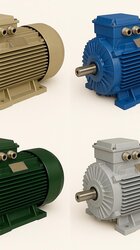
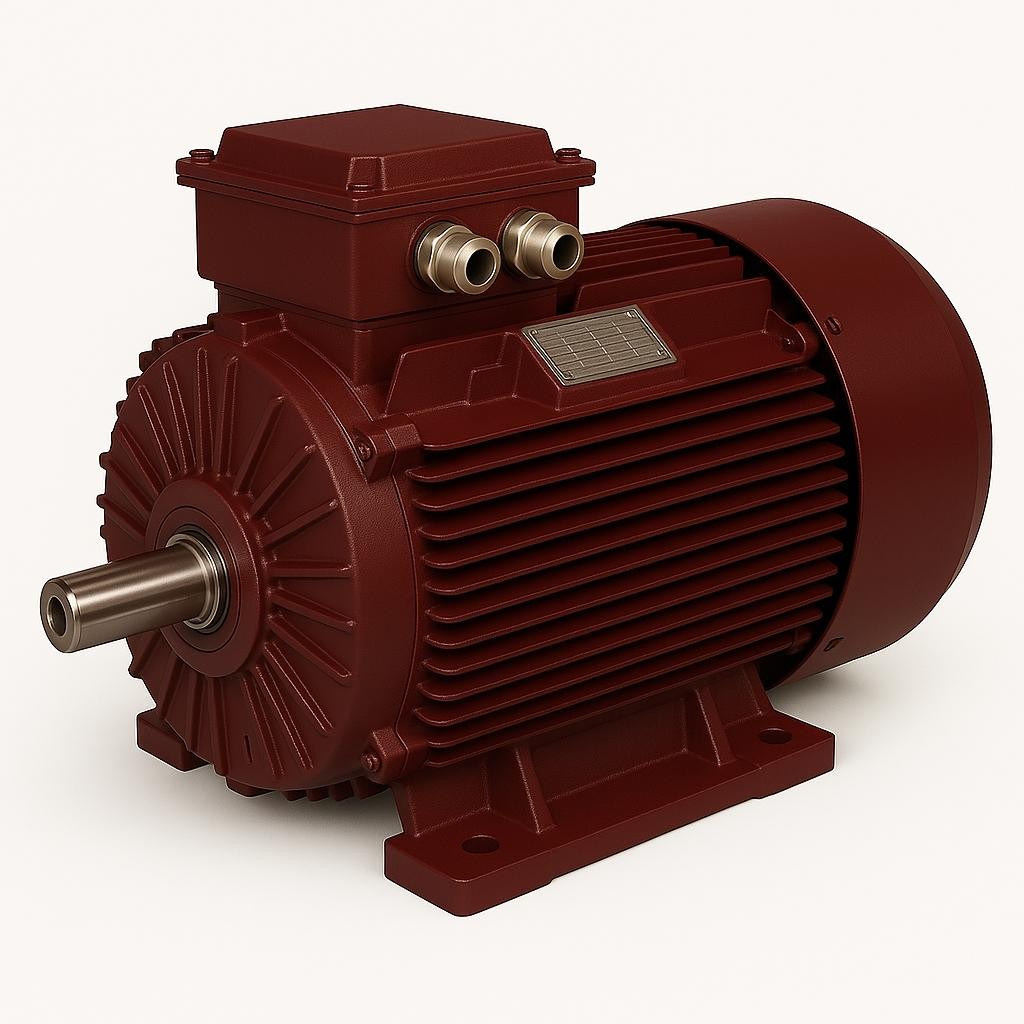

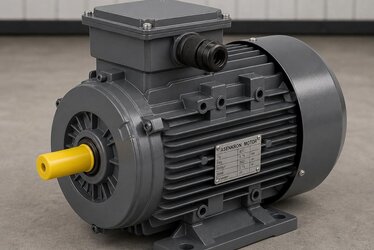
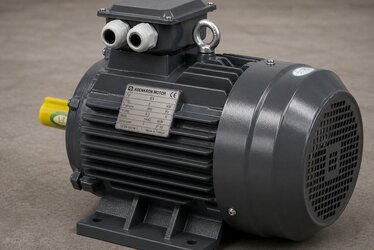
DRG Motor IE3 Motor Prices
Our Quick Access Phone Numbers:
+905426661111
+905323454986
Mail : [email protected]
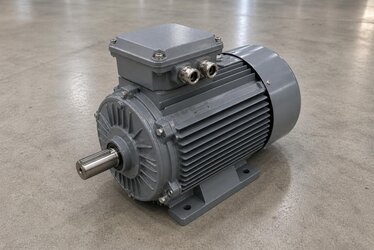
Two IE3 quotations for the same kilowatt rating routinely differ, and the difference is rarely margin. Before comparing the figures, hold everything except the price constant: same pole count, same frame material, same protection class, same mounting. Change any one of those and the comparison stops being a comparison.
Speed is the item most often left floating. At the same rating a 6 pole 1000 rpm machine is built on a larger frame than a 2 pole 3000 rpm one and costs more, so a cheaper offer is sometimes just a faster motor that cannot drive the load without a reduction stage. Fix the pole count against the driven machine, then read the prices.
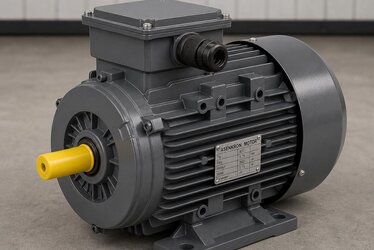
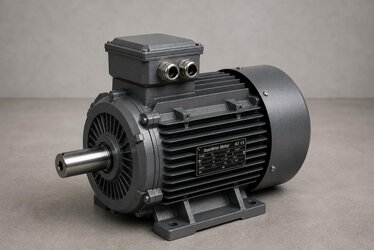
Frame material is the second. A cast iron housing costs more than aluminium and is chosen where vibration and mechanical abuse demand it; setting an aluminium offer against a cast iron one and calling the gap a discount hides the fact that the two motors are not for the same duty.
The third item appears on neither quotation: the efficiency point given away. On a drive turning 6000 hours a year, one point lost on a 22 kW motor is thousands of kilowatt-hours every year the machine stays installed. Set against that, the difference between two IE3 offers is usually settled inside the first year of running.
Configuration follows the budget only after the duty is fixed. Where the budget is tight, the honest saving sits in the mounting and the accessory list — B3 feet instead of a flange the machine does not need, no encoder where nothing reads it back — and not in dropping the efficiency class or undersizing the frame.
For a figure you can actually compare, send us the rating, pole count, frame material, mounting type and protection class together with the yearly running hours. We quote IE3 across 0.55 to 355 kW at 400 V / 50 Hz on that basis, so the number you receive can be put next to another one and mean something.