 English
 Le français
 Türkçe

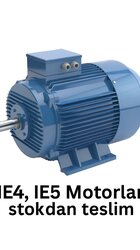
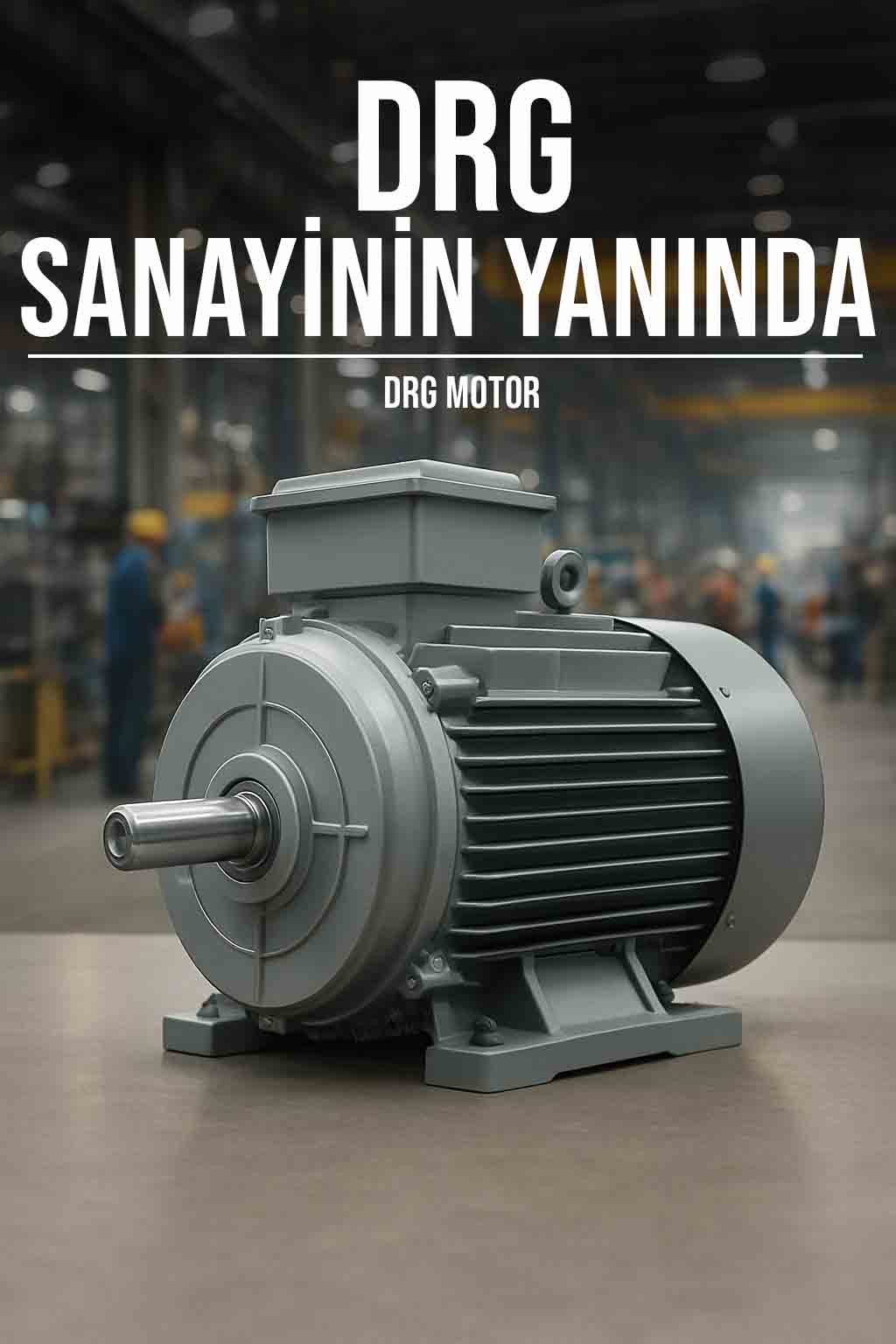

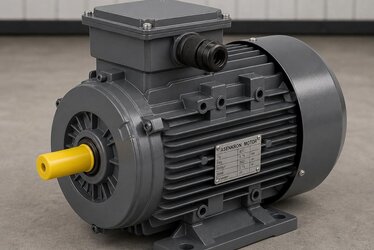
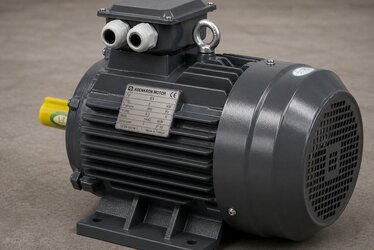
The difference between IE3 Premium and IE4 Super Premium class motors shows up not so much in the purchase price as in the energy the motor consumes over its lifetime. On a continuously running drive train, a small step up in efficiency class turns into significant savings over the years.
The Efficiency Gap Between IE3 and IE4
The IEC 60034-30-1 standard defines the efficiency classes as IE1 Standard, IE2 High, IE3 Premium, IE4 Super Premium and IE5 Ultra Premium. At the same rating, an IE4 motor cuts losses by roughly 15 percent compared with its IE3 counterpart; this gap is most evident at 7.5 kW and above in applications that run long hours each day.
Design Elements That Drive Performance
Higher efficiency is achieved through better-grade silicon steel, lower-resistance copper windings and an optimised air gap. This means the motor runs cooler, the Class F insulation works with more headroom and bearing life is extended. IE4 motors operating in S1 continuous duty enjoy a safer thermal margin.
Which Class for Which Application?
For machines that run intermittently and only a few hours a day, IE3 is often a balanced choice. For continuously running loads such as pumps, fans and compressors, the energy saving of an IE4 motor pays back the price difference within a few years. The decision should follow the operating hours and the electricity tariff.
From IE3 to IE5
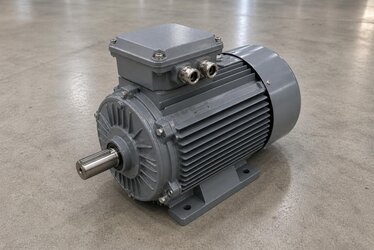
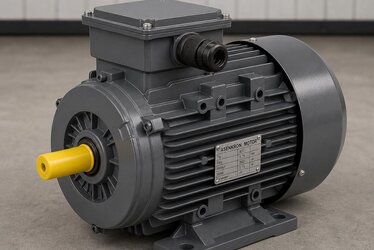
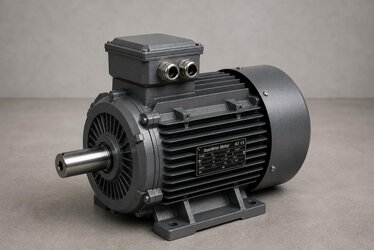
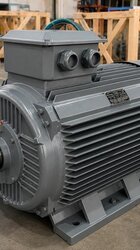
DRG Motor ships IE3 and IE4 class motors from 0.55 to 355 kW, 400 V / 50 Hz, in foot-mounted (B3) and flange-mounted (B5) options. Share your application's duty profile and we can assess together which efficiency class pays for itself sooner.