 English
 Le français
 Türkçe

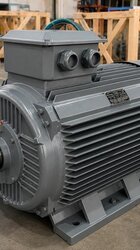
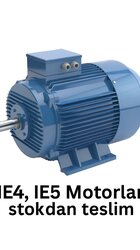
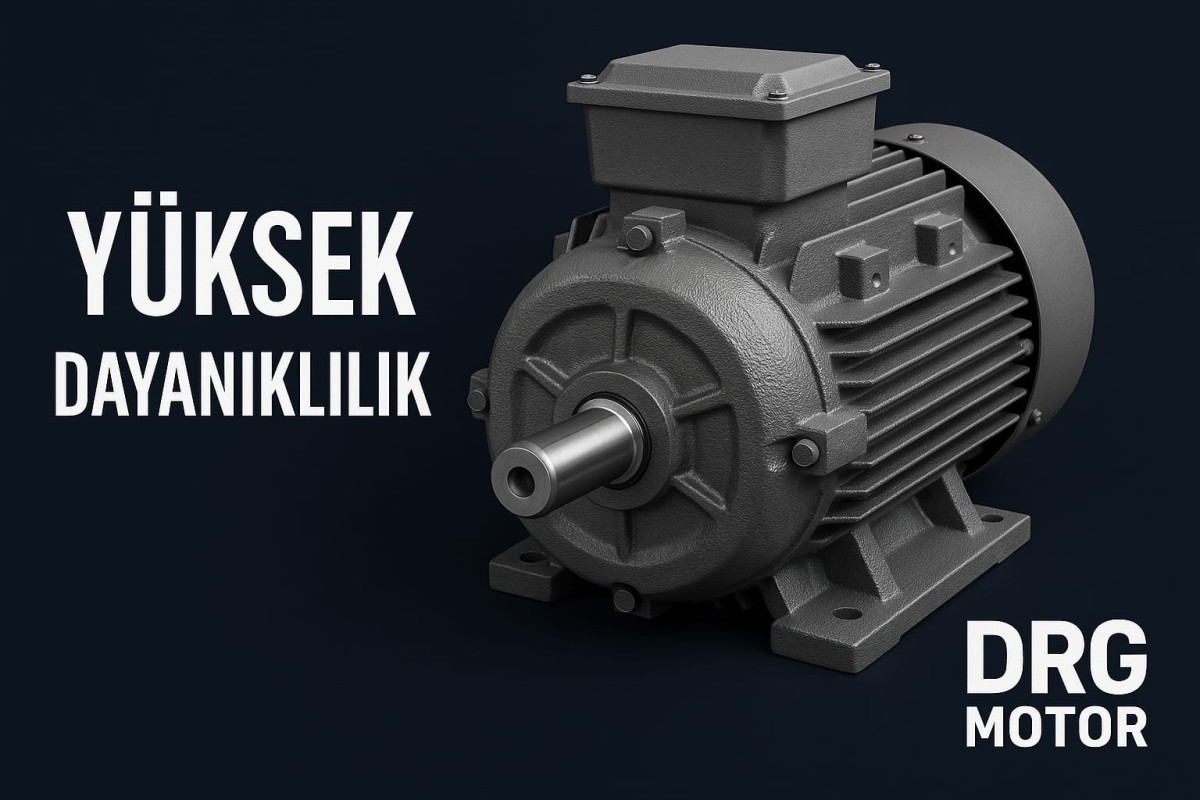

The price gap between IE3 and IE4 motors comes from the extra copper and the higher-grade steel they use; yet on continuously running lines that gap is recovered through energy savings. The right decision rests on comparing the total operating cost of the two classes rather than the label price.
The Difference Between IE3 and IE4
Under IEC 60034-30-1, IE3 is the "Premium" class and IE4 the "Super Premium" class. IE4 motors deliver the same power with fewer losses thanks to lower-resistance windings and thinner, low-loss lamination stacks. Their purchase price is therefore higher than IE3; the difference returns from the energy bill over a period that depends on the running hours.
Factors That Set the Price
In both classes, power (kW) and pole count (speed) set the price the most. There is a wide span between a 0.55 kW motor and a 355 kW one; choices such as the cast iron housing, IP55 protection and mounting type (B3/B5/B14) also feed into the figure. For this reason quoting a single list price would not be accurate.
Which Class Suits You?
For a motor that runs few hours a day or sits as a standby, IE3 can be sufficient and economical. On pump, fan and compressor lines that run throughout the shift, the energy savings of IE4 cover the extra cost within a reasonable time. The decision should follow the motor's yearly running hours.
DRG Motor for a Current Price
İzmir-based DRG Motor supplies IE3 and IE4 motors from 0.55 to 355 kW with B3/B5/B14 mounting options. Once you share your power, speed and daily running hours, we prepare a current price quotation tailored to you.
DRG Electric Motors Suited to This Topic
The models below are available in the DRG Motor online shop. Click a model code to see its technical data, dimensions and current price, and order right away.
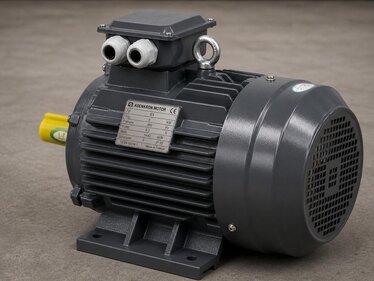
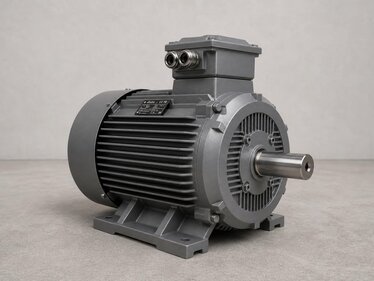
- DRG-132S-4 – 5.5 kW – 1460 rpm – cast iron frame
- DRG-160L-4 – 15 kW – 1465 rpm – cast iron frame
- DRG-200L-4 – 30 kW – 1475 rpm – cast iron frame
- DRG-225M-4 – 45 kW – 1485 rpm – cast iron frame
Click to see current prices of all electric motors and order nowSEE PRICES →