 English
 Le français
 Türkçe

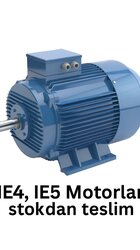
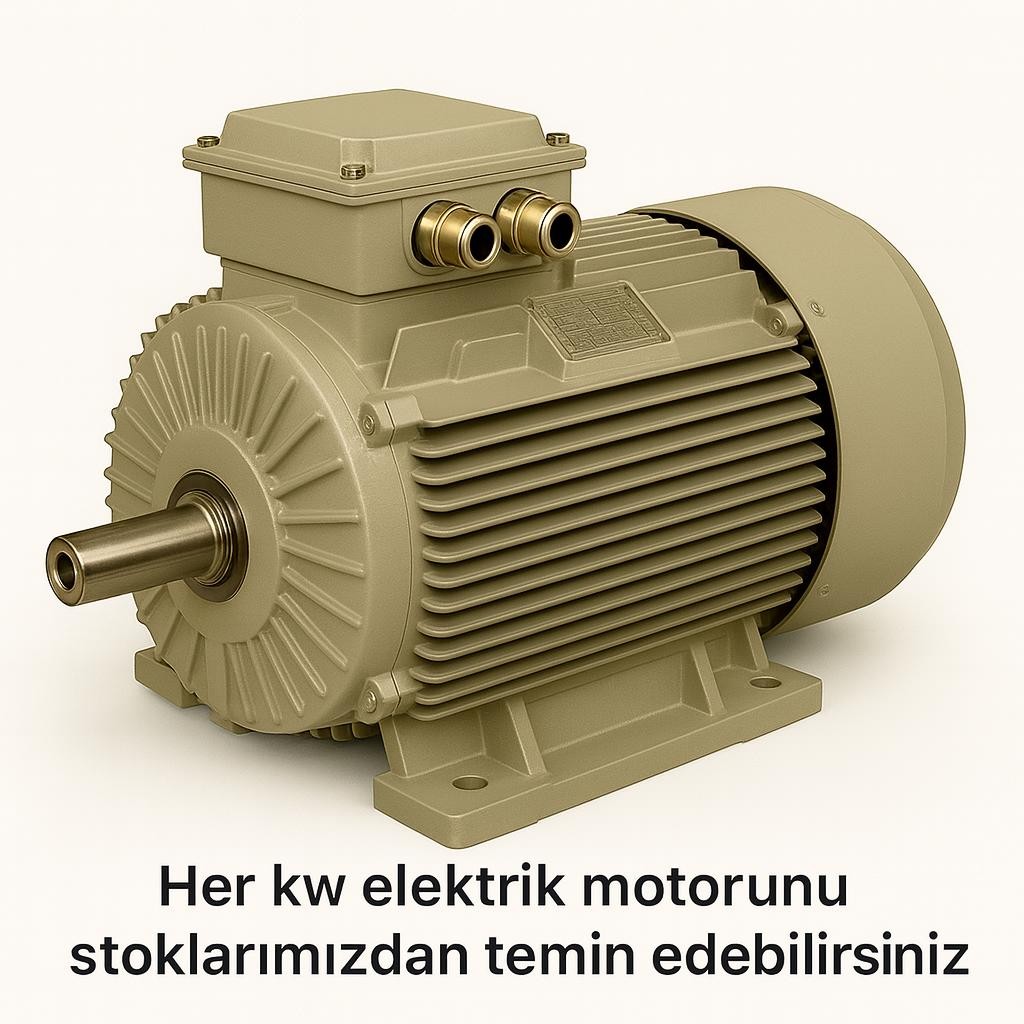

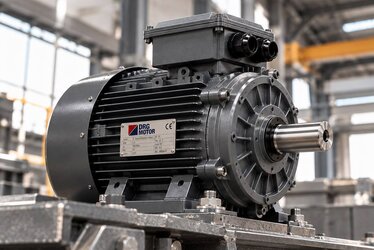
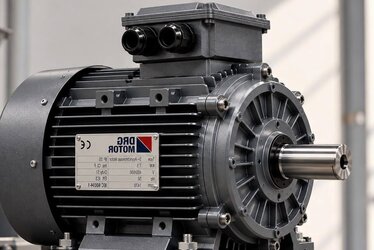
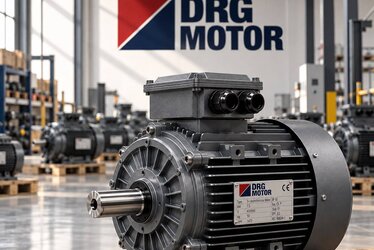
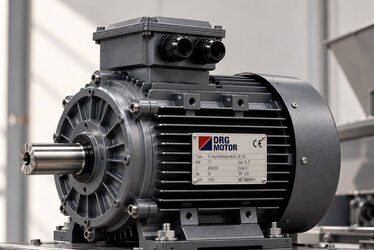
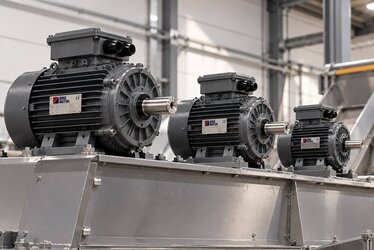
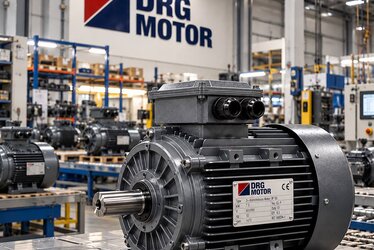
In an industrial plant the electric motor is often the component that determines whether production keeps running. DRG Motor, a supplier based in Izmir, designs three-phase induction motors for distinct application groups such as pumps, compressors, conveyors and mixers. The sections below cover where these motors fit, their technical features and how to specify them.
Which Motor Types Are Used in Industry?
Most industrial lines run on three-phase induction motors fed from a 400 V / 50 Hz supply. The DRG range spans from 0.55 kW small drives up to 355 kW large drives, with 2, 4 and 6-pole versions covering 3000, 1500 and 1000 rpm respectively. Foot-mounted B3, flange-mounted B5 and face-mounted B14 frames are available across the stock and build-to-order options.
Why Efficiency Class Matters
The IEC 60034-30-1 standard classifies motors from IE1 to IE5. On continuously running industrial drives, IE3 (Premium) and IE4 (Super Premium) classes make a clear difference on the energy bill of a drive that turns all year. DRG targets the efficiency curves these classes require through high copper fill and quality electrical steel laminations.
Durability in Harsh Environments
In dusty, humid and vibrating environments IP55 protection and Class F insulation are treated as the baseline. Cast iron frame models withstand mechanical impact and continuous vibration better than aluminium and are rated for S1 continuous duty. Bearing and terminal box choices are set according to the operating temperature of the application.
Choosing the Right Industrial Motor
The right choice comes from weighing required power, speed, mounting type and ambient conditions together. Whether the load profile is constant or variable, and whether the motor will run on a VFD, directly affects service life. The DRG team helps define the correct kW, pole count and frame type for your plant.