English
 Le français
 Türkçe

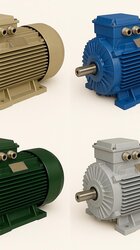
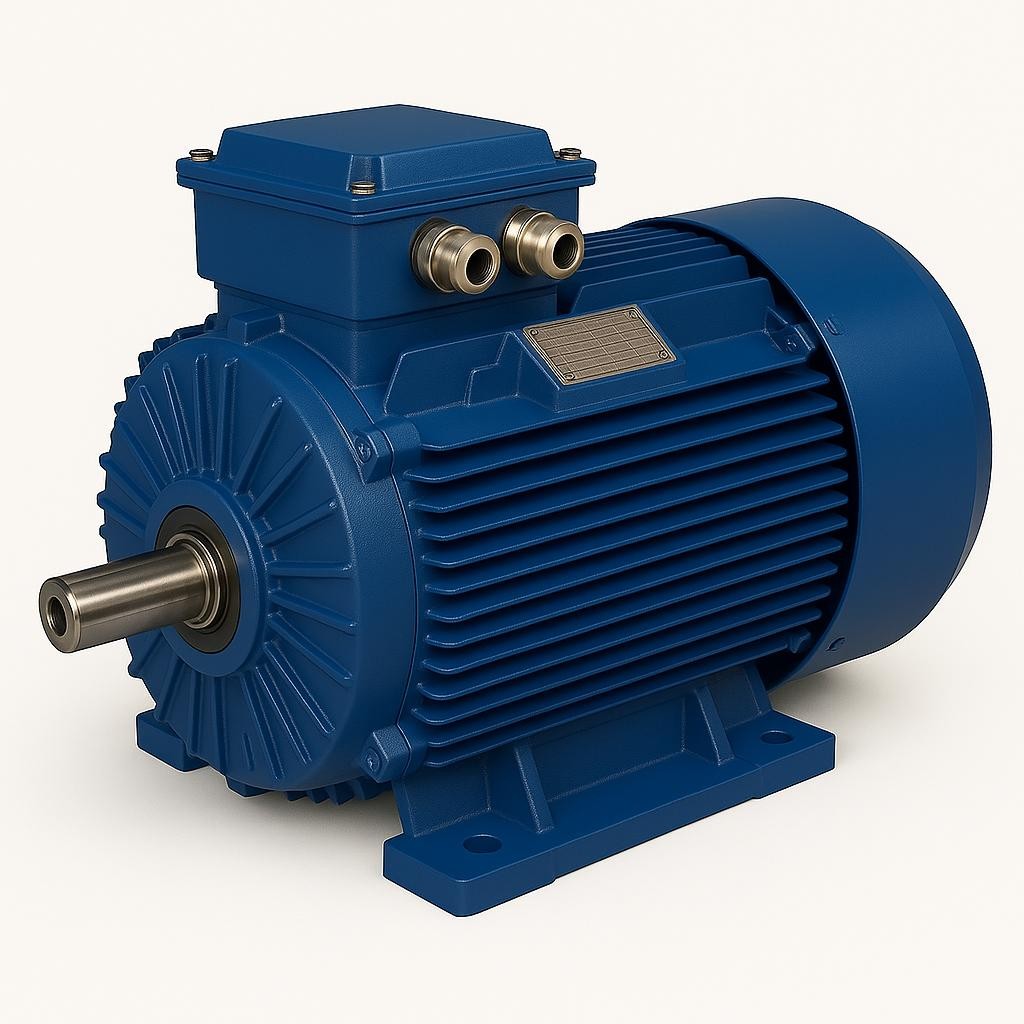

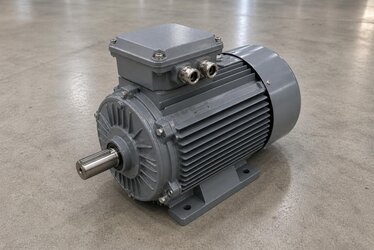
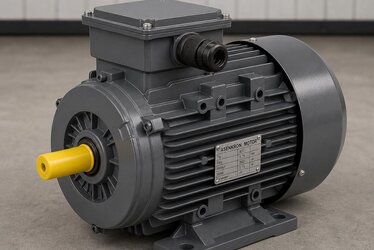
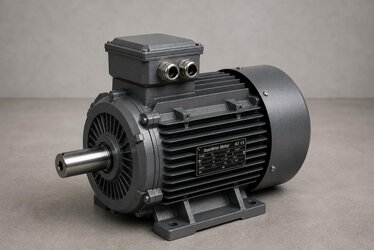
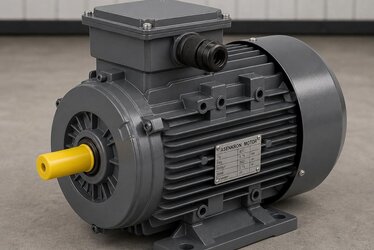
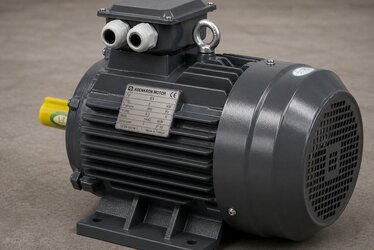
The asynchronous electric motor, in which the rotor turns slightly slower than the stator's magnetic field, works on the principle of slip and is the most common industrial motor. With no brushes or commutator, it needs little maintenance and lasts a long time. Adding the IE3 efficiency class turns this reliable design into an ideal drive for continuously running plants by combining it with low energy consumption.
How an Asynchronous Motor Works
The three-phase supply creates a rotating magnetic field in the stator; this field induces current in the rotor bars and the rotor begins to turn. The rotor can never quite reach the field speed, and that difference, called slip, is what lets the motor produce torque. This induction principle makes the asynchronous motor simple and durable.
What the IE3 Efficiency Class Means
The IEC 60034-30-1 standard classifies motors by efficiency: IE1 Standard, IE2 High, IE3 Premium. Compared with an IE1 motor of the same rating, IE3 produces fewer losses during conversion, doing the same mechanical work with less electricity. On a continuously running (S1) line, this difference yields marked energy savings over the service life.
Speed, Protection and Construction
Asynchronous IE3 motors are offered in 2-pole 3000 rpm, 4-pole 1500 rpm and 6-pole 1000 rpm options. IP55 protection and Class F insulation ensure safe operation in dusty and humid environments, while the cast iron housing damps vibration and extends bearing life.
Choosing a DRG IE3 Asynchronous Motor
DRG Motor supplies IE3 asynchronous motors from 0.55 to 355 kW with B3 foot, B5 flange and B14 face mounting options. Once you share the load and speed of your application, the most suitable IE3 motor and a current quote are determined together.