 English
 Le français
 Türkçe

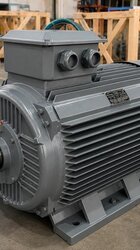
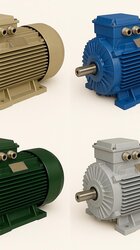
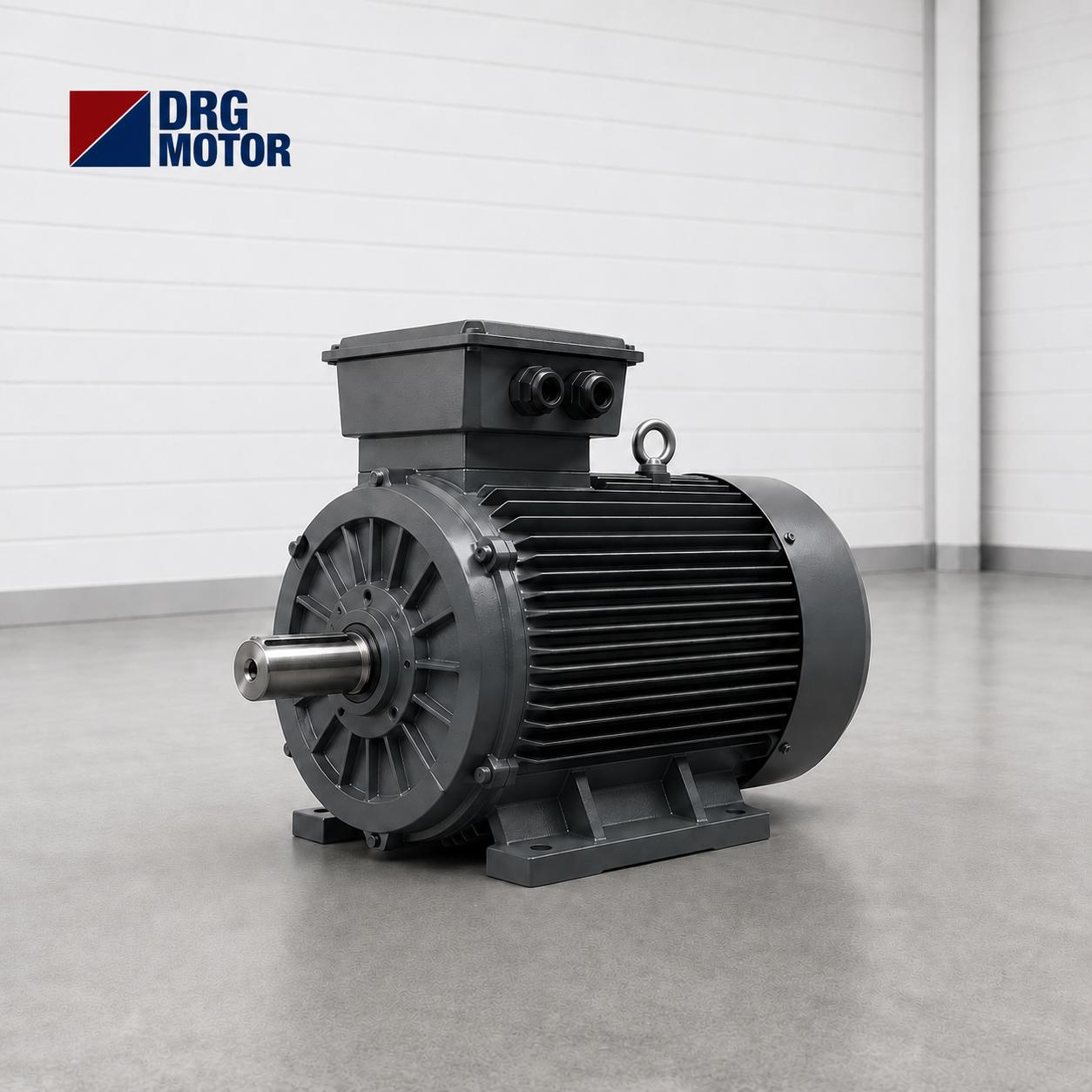

Mixing and agitation are among the most demanding industrial duties an electric motor can face. Whether you are blending dense slurry, dispersing pigment into a viscous medium, stirring particle-laden liquid or moving dry powder, the process constantly reshapes the load the motor must overcome. At DRG Motor we supply mixer motors to equipment builders, maintenance teams and machine integrators who need a drive matched to the real behaviour of their process, not just a nameplate rating. Our goal is not simply to sell a motor; it is to deliver the right choice that keeps your agitator running reliably for years. The right supply means an uninterrupted production line, energy costs kept in check and maintenance bills brought down.
Why agitation loads call for a deliberate motor choice
A motor fitted to a mixer cannot be selected with the same logic used for a fan or a light conveyor. As mixing progresses the medium thickens, material clings to the blades and resistance rises, and an agitator that is stopped and restarted often has to set a heavy settled mass back into motion. That translates into a high starting-torque demand. A poorly chosen motor strains at start-up, its windings overheat and it fails prematurely. This is exactly why mixer motor selection has to weigh torque characteristics, speed range and service factor together, never power alone. The first move after a long stop, when the blend has settled and hardened, is the harshest moment the motor will meet, and the selection must be built around that scenario.
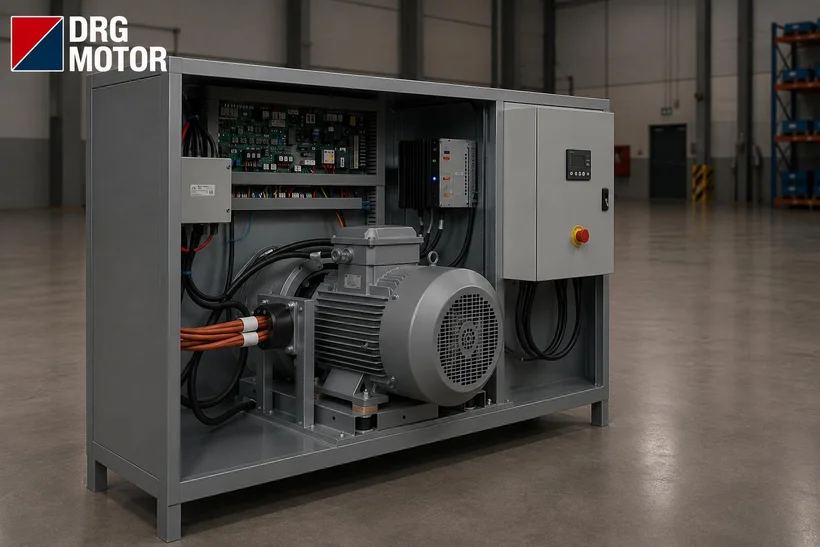
Most agitators are driven through a gearbox, because blades and impellers need low speed and high torque to mix efficiently. In that arrangement the motor's compatibility with the reducer, its output speed and the real power it sustains under continuous duty all become decisive. Many plants choose a motor by looking only at the kW figure on the plate and end up either under-driven or over-invested. Sound supply starts with understanding the true torque and speed your process actually needs. Tank geometry, blade type, fill ratio and the rheology of the material being stirred all belong in that calculation, because two motors of the same kW can deliver entirely different performance with different torque curves.
What DRG Motor offers for mixing applications
The general-purpose industrial motors we hold in stock and can deliver quickly suit a broad range of duties, from food mixers and construction mortar blenders to chemical reactors and paint dispersion tanks. With various frame sizes, pole numbers and flange or foot mounting options, we help you find a motor that fits your existing equipment directly or sits perfectly within a new design. Rather than handing you a single motor, we work out the configuration best suited to your application together.
- Torque class suited to heavy blends that demand high starting torque
- Correct service factor for continuous (S1) duty and frequent stop-start cycles
- Drive-ready models that run across a wide speed range with a frequency inverter
- IP55 and higher protection for dusty and humid mixing environments
- IEC flange compatibility for easy mounting on geared drives
- IE2/IE3 efficiency classes that cut your energy bill
Classifying motors by hygiene and environment
In mixing applications the environment dictates the motor. Food and beverage lines that are washed down frequently call for higher protection ratings and easy-to-clean surfaces. In chemicals and paint, coatings resistant to corrosive vapour and solvents matter more. On dusty or solvent-laden lines where there is an explosion risk, Ex-proof options come into play. Reactors running at high temperature put the winding insulation class in focus, while open-air mortar blenders make sealing against dust and water ingress the priority. Describing your environment accurately during the supply process lets us recommend the safest and most appropriate solution for you, which is why we ask about your operating conditions in detail at the quoting stage.
Speed control and energy savings
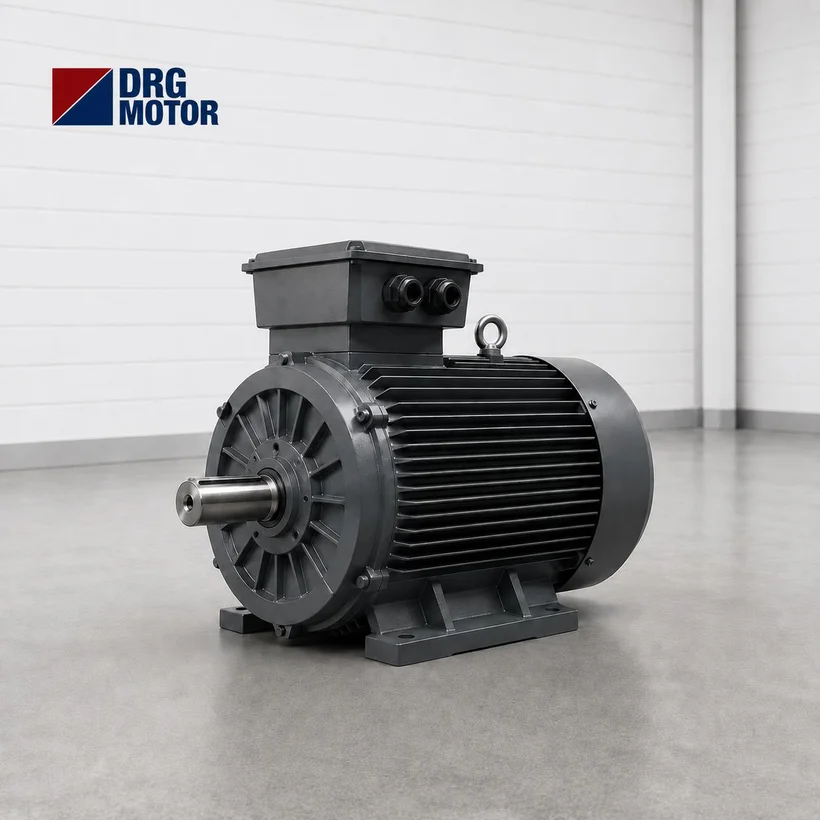
Fixed single-speed operation is becoming rarer in modern mixing. Many processes need different speeds at different stages, for example slow homogenisation at the start followed by rapid dispersion. Inverter-controlled motors provide that flexibility while cutting energy use significantly. Choosing a drive-compatible motor, the right winding insulation class and, where needed, an auxiliary cooling fan all become important here. A motor running for long periods at low speed may not cool well enough with its own shaft fan, and that is where force-ventilated models step in. We recommend the models we supply according to the inverter type and the duty profile you intend to run, so both performance and motor life are protected.
Sizing the right power and efficiency class
Power selection is the source of the most common mistake on a mixer motor. An undersized motor is constantly overloaded and burns out; an oversized one needlessly inflates both the initial investment and the energy bill, and loses efficiency at light load. The correct power is found by weighing blend density, speed, blade diameter and running time together. In plants that operate continuously, a high efficiency class such as IE3 repays the price difference quickly through energy savings. We help you weigh which efficiency class is economically right for your running hours as part of the quote.
Lessons from similar heavy-duty drives
The challenges a mixer motor faces resemble those of other heavy industrial drives. A değirmen motoru, for instance, also works under high inertia and variable load, with the grinding duty straining the motor much as a viscous blend does. Likewise a beton santrali motoru demands high starting torque and a robust winding as it turns a heavy aggregate mix. Our supply experience across these duties helps us pin down the right torque and protection class for mixer and agitator projects too. This cross-sector knowledge lets us recommend the most suitable motor for your specific process faster and more precisely.
Mixing needs that vary by industry
Demand for a mixer motor differs markedly from one sector to the next. In food production, dough kneaders and cream blenders call for hygienic-bodied motors that can turn dense, sticky masses at low speed. Pharmaceutical and cosmetic lines put precise dosing, low vibration and easy cleaning to the front. In construction and ready-mix concrete, mortar, plaster and aggregate mixers run on high-torque motors built to handle shock loads and dust ingress. In chemicals, paint and wastewater treatment, corrosion resistance, continuous running and drive compatibility become decisive. Because we know the distinct duty profile of each sector, we come back to you with a recommendation aimed directly at your application, so you do not lose time on trial and error.
Maintenance, spares and long service life
The value of a mixer motor shows not only at the first purchase but across its whole working life. On agitators that start and stop often, bearing life governs longevity; under continuous load, winding temperature does. With the right protection class, quality bearings and suitable insulation, maintenance intervals stretch out and unexpected stoppages fall. By offering easy access to spares and equivalent models on the motors we supply, we make sure your line will not sit idle for long if a fault ever occurs. When we select models that conform to standard IEC dimensions, future replacement and mounting become far simpler and faster, an advantage that lowers total cost of ownership.
What shapes the price and how quoting works
A mixer motor price cannot be reduced to a single number, because every mixing application is unique. Power, pole count, protection rating, efficiency level (IE2/IE3), mounting type, drive compatibility and lead time all shape the figure together. That is why, instead of a flat list price, we prefer to prepare a quote built around your specific process. Once you share the density of the material you mix, the tank volume, the required speed and the duty cycle, we respond quickly with the option that is best on both technical and commercial grounds. Thanks to our stock, we can offer short lead times on many models and help you keep production losses to a minimum when needs are urgent.
Secure your agitator with the right motor
The lifespan of an agitator depends on how well the motor inside it matches the process. A wrong choice means downtime, lost production and recurring maintenance cost; the right supply means years of trouble-free operation. By combining a broad stock with hands-on technical guidance, DRG Motor helps you find the most suitable motor for your mixer and agitator equipment. Send us the details of your application and let our team prepare a tailored mixer motor quote without delay, so you can move your project forward with confidence. A single email or call is enough to start talking through the solution that fits your process precisely.