 English
 Le français
 Türkçe

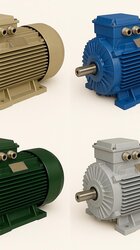
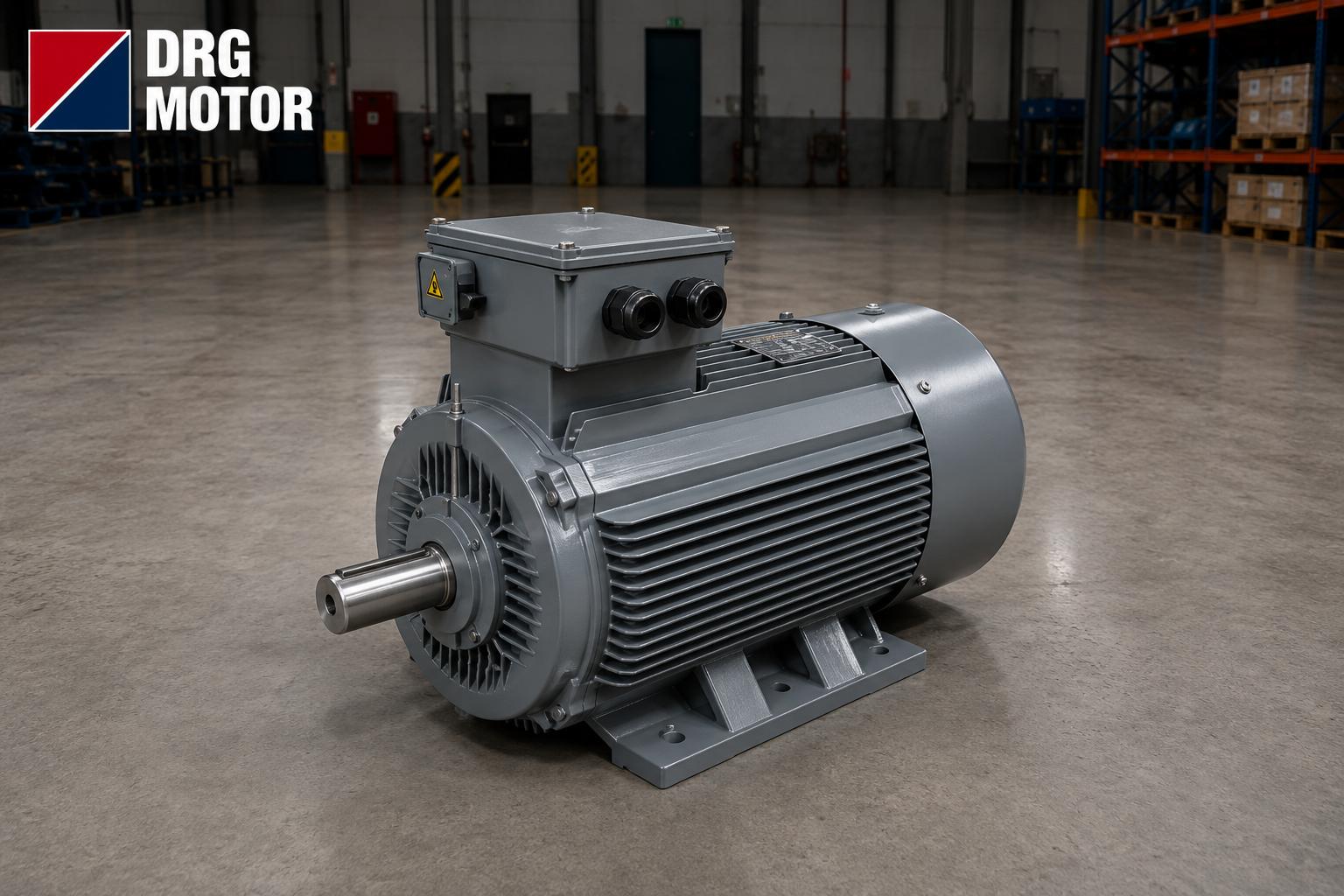

When companies buy an electric motor, the conversation usually revolves around power, speed and mounting type; yet the quietest variable that truly decides how long the motor will survive is how well its windings withstand heat. The winding insulation is a thin but vital layer that separates the copper conductors from one another and from the frame, and the temperature this layer can endure without breaking down directly determines how many years the motor will run without failure. At DRG Motor, a large share of the enquiries that reach our sales desk focus only on the kW figure while overlooking the insulation and temperature rise specification entirely. In this article we explain why these two factors should carry far more weight in your purchasing decision than a basic B-class motor would suggest.
An Insulation Class Is Really a Temperature Ceiling
Every motor winding is built from materials rated for a specific maximum operating temperature. International standards group these materials by letter classes: Class B endures up to 130 degrees Celsius, Class F up to 155 degrees, and Class H up to 180 degrees. These numbers are not decorative; they mark the limit at which the winding varnish and insulation paper can complete their service life without chemical degradation. The letter you see on a motor nameplate is direct proof of the material quality the manufacturer placed in that winding. F-class insulation has become the de facto standard for industrial motors today because it offers a generous thermal margin while keeping cost at a reasonable level. The B-class build that was once common still appears in budget-driven applications, but most serious industrial buyers no longer consider it sufficient. The 25-degree difference may sound small, yet when you think about whether a motor is running on a hot summer day or a cool spring morning, that margin makes all the difference. Stepping up the insulation class is the most direct way to give a motor more room to breathe without enlarging its frame or reducing its power.
Temperature Rise Is Not the Same as Insulation
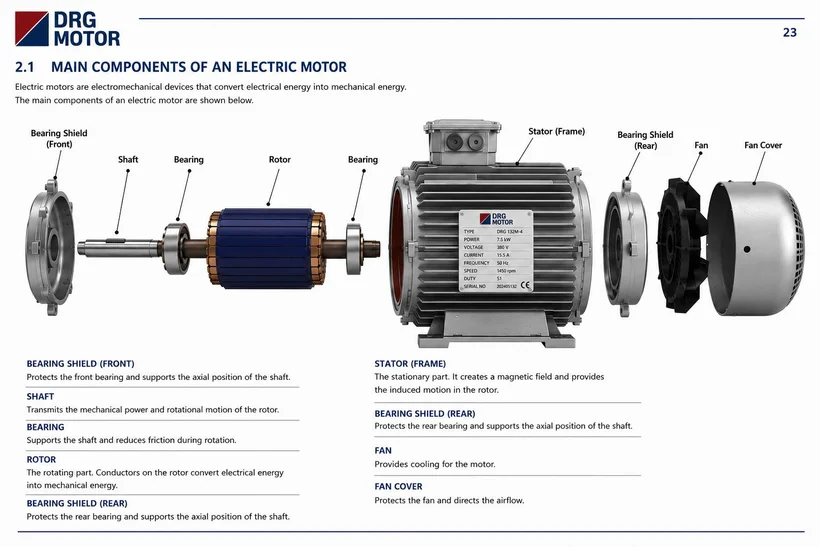
Here is a point that is frequently confused. Where the insulation class describes the upper limit the material can survive, temperature rise describes how much heat the motor adds to the ambient temperature when running under load. A standard ambient is taken as 40 degrees Celsius. If a motor produces an 80-degree rise under load, the winding reaches roughly 120 degrees. Since an F-class material is rated to 155 degrees, the gap between these figures forms the motor's safety margin. That margin is precisely what determines how much unexpected overload, high ambient temperature and fluctuating mains voltage the motor can tolerate before it gets into trouble.
The F Insulation, B Rise Combination
The healthiest configuration that professional buyers look for is a motor offered with F-class insulation material together with a B-class temperature rise. This combination means the motor is designed to run at a B-class rise, while the material inside is strong enough to withstand the F-class ceiling. As a result the winding operates well below the temperature it could endure, and that headroom extends service life dramatically. Every 10-degree drop in winding temperature roughly doubles the life of the insulation. So between two motors of the same kW rating, the one with the wider thermal margin means far fewer failures and much lower maintenance cost over time.
- F insulation + B temperature rise: widest safety margin, longest life expectancy
- F insulation + F temperature rise: acceptable, but the margin narrows
- B insulation + B temperature rise: budget oriented but a tight thermal tolerance
Why Local Conditions Demand a Bigger Margin
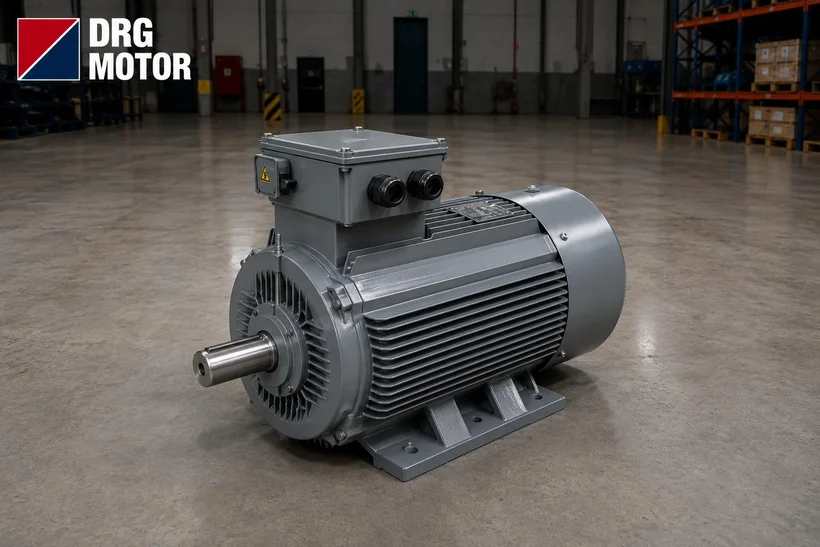
The 40-degree ambient that standards assume looks reasonable on paper; but during the summer the interior of a foundry, a textile dye house or a poorly ventilated machine room easily exceeds this value. When the ambient climbs to 50 degrees, a motor with a tight B-class margin starts to struggle, whereas a motor chosen with F-class insulation and a wide thermal margin stays in the safe zone even under those conditions. Keeping the temperature margin generous when selecting a motor for dusty, enclosed or sun-exposed environments is the cheapest insurance you can buy against future burnt-winding and downtime costs. This is exactly why our general-purpose industrial motors ship with F-class insulation as standard.
If You Run a Variable Frequency Drive, the Margin Matters Even More
Today the majority of motors are driven through a speed controller, namely a frequency inverter. Instead of an ideal sine wave, the inverter applies a pulsed voltage to the motor, and these pulses cause additional heating in the winding. At low speeds in particular the motor's own fan cannot move enough air, so cooling weakens and the winding temperature rises faster than expected. In this scenario the extra thermal margin offered by F-class insulation becomes almost mandatory for the motor to run safely under the drive. If you are planning an inverter-fed application, we strongly recommend stating this at the quotation stage so we can evaluate the right insulation and, where needed, an external forced-cooling fan together. A motor that has been sized correctly for direct mains operation can still run hot once it is placed behind a drive at reduced speed, and that gap is one of the most common reasons we see premature failures in the field.
Service Factor and the Overload Relationship
The service factor is the coefficient that shows how much load a motor can carry above its rated power. But the precondition for actually using that capacity is that the winding can absorb the extra heat the additional load brings. On a motor with a narrow thermal margin, the service factor printed on the nameplate stays on paper, because under overload the winding quickly reaches the insulation ceiling. A wide-margin F-class motor, on the other hand, handles the occasional sudden load peak without straining its winding. That is why for presses, crushers, conveyors and compressors with a fluctuating load profile we never push the insulation and temperature rise specification into second place.
What to Check on the Nameplate When You Buy
When evaluating a motor offer, read the insulation class and temperature rise on the nameplate alongside the kW and speed figures. Ideally confirm these three points: the insulation class should be at least F, the temperature rise should preferably stay within B-class limits, and the protection class should suit your operating environment. Mounting type should be considered together with this choice; for instance, when comparing flange and foot options our b3 b5 b35 montaj guide makes the job easier. Likewise, if you need a standard four-pole speed, our 1500 devir motor ordering guide helps you handle the speed and insulation selection in one step.
The Right Thermal Class Lowers Total Cost
At the point of purchase, a motor with F-class insulation and a wide thermal margin may look slightly more expensive than a narrow-margin alternative. Yet the real cost of a motor is far more than its purchase price; once you add up the rewinding cost of a burnt coil, the lost production, the missed delivery date and the scramble for an emergency replacement, the small initial difference becomes meaningless. A motor with the correct thermal margin runs quietly for years and shields you from all of those costs. In maintenance budgets the line item that hurts most is rarely the planned spare; it is the unplanned failure that stops a line at the worst possible moment. Choosing the right insulation class up front is one of the few decisions that removes an entire category of those surprises before they ever happen.
At DRG Motor we shape every quotation around your application's ambient temperature, load profile and drive arrangement; rather than picking a random model from a catalogue, we recommend the insulation and temperature rise class that fits your real operating conditions. Share the details of your application with us, and we will identify the right thermal margin and send you a same-day quotation backed by current stock and pricing advantages.