 English
 Le français
 Türkçe

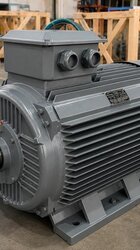
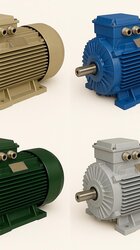
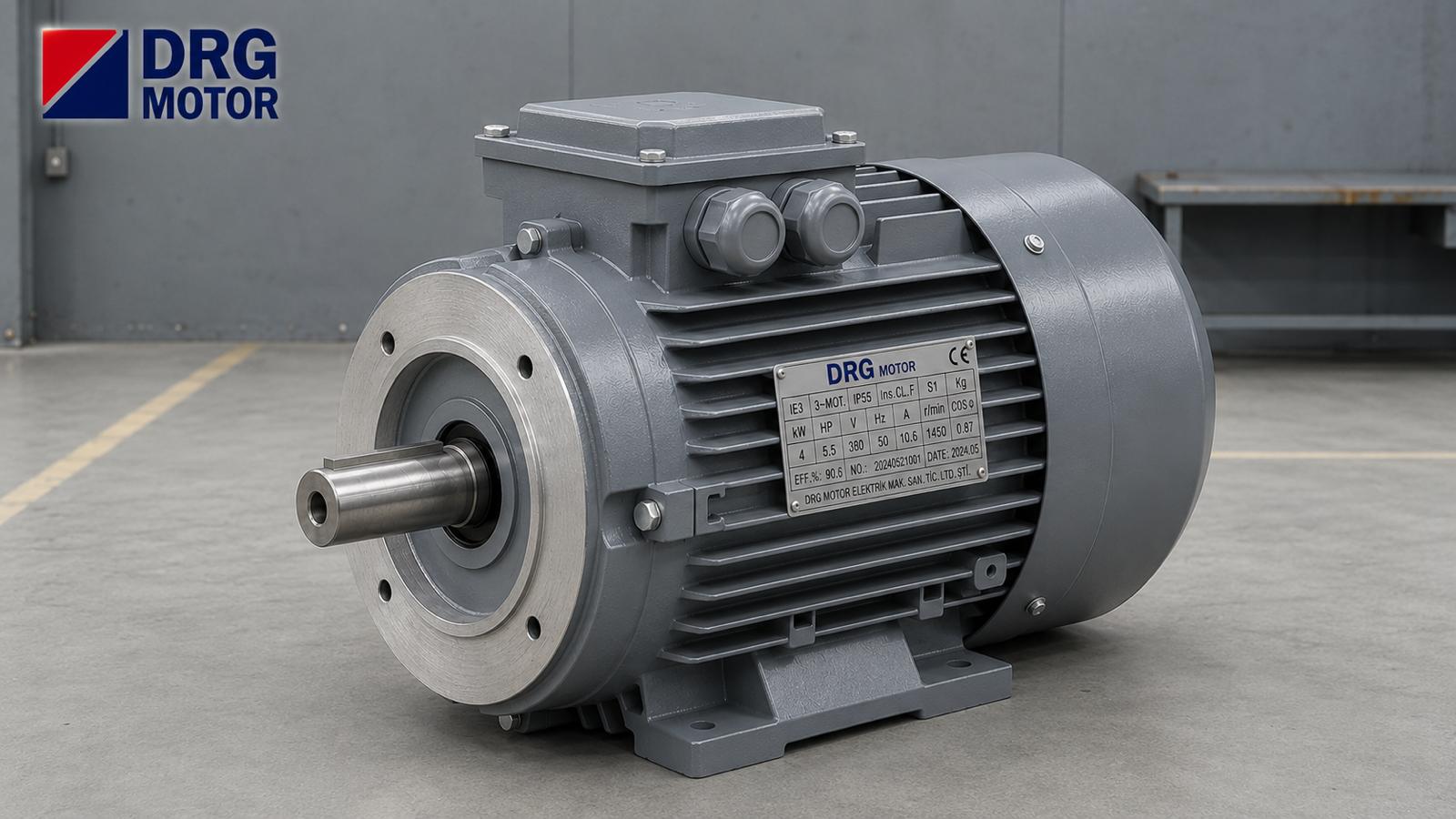

In every woodworking shop and furniture production line, electric motors quietly sit at the heart of the machinery. Planers, thickness machines, spindle moulders, circular saws and especially dust extraction (aspiration) units can all suffer from poor performance and unexpected downtime when the wrong motor is fitted. At DRG Motor we understand the specific demands of the wood industry, and we supply motors built to survive the heavy dust of your workshop while keeping extraction power steady, all backed by a fast quotation. Our aim is simple: fit the right motor once and let you keep producing for years without trouble.
Dust Wears a Motor Out Before Its Time
A woodworking environment is nothing like an ordinary industrial plant. Fine shavings and saw dust hang in the air and settle on the cooling fins and fan cover of the motor, blocking heat dissipation. A winding that cannot cool properly loses its insulation over time and the motor fails far earlier than planned. That is why, when choosing a motor for wood machines, the frame type, protection class and fan design matter far more than the kW figure on the first line of a catalogue. Two motors of identical power can behave completely differently in a dusty shop; one gives trouble within months while the other runs for years, and the difference usually lies in a correct supply decision.
Correct supply is not just about reading nameplate values. How many hours per day the machine runs, the type of dust and the ventilation of the shop all have to be weighed together. A shop cutting hardwood produces a different dust character to a line cutting softwood and chipboard; one is heavier, the other finer and more likely to creep inside. During the quotation stage we ask these questions and recommend the motor to match the environment, so you end up with an installation that gives you no trouble for years. The cost of repeated failures, service calls and downtime from a poorly chosen motor soon outweighs the price of buying the right product from the start.
The Right Speed and Power Balance for the Extraction Fan
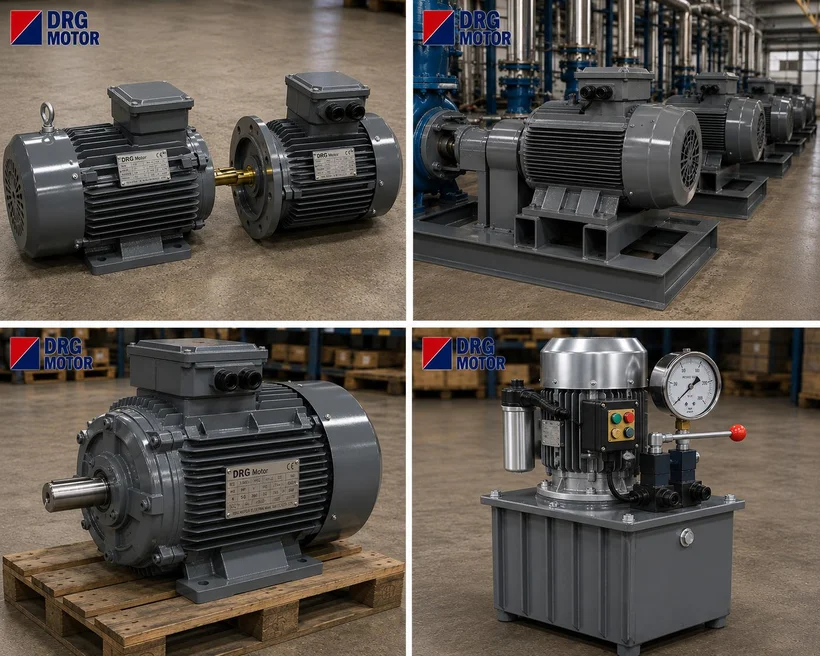
The efficiency of a dust collection system depends on the air volume and pressure the fan produces, which in turn is largely down to the motor's speed and power. A motor that is too weak cannot drive the fan hard enough; shavings build up in the ducts, suction fades and dust starts to gather around the machines. An oversized motor at the wrong speed wastes energy, stresses the fan and adds noise. Extraction lines usually favour 2-pole (high-speed) motors, although duct length, the number of bends and filter resistance can change that decision. The right balance is reached by looking at the whole line, not a single component.
- Duct length and the number of bends increase suction loss, so the motor needs a margin to overcome it.
- As the filter clogs the load on the motor rises; choosing power with a margin from the start keeps suction steady.
- For fans driven by a frequency inverter, the motor should have an inverter-rated winding for long life.
- On central systems feeding several machines from one line, the total air-volume demand directly sets the motor power.
The DRG team sizes the fan-matched motor around the air volume and pressure your extraction line needs, then presents a clear quotation together with current stock status. Whether you are building a new facility or upgrading an existing extraction system, sizing the motor to the line's real demand is always the right starting point.
Protection Class: Why IP55 and Above Matters
Wood dust blocks cooling and works its way inside the motor. Fine dust seeps into an inadequately protected frame and reaches the bearings and windings; dust inside a bearing breaks down the lubrication and accelerates wear. For this reason we recommend enclosed (TEFC) motors with an IP55 protection class or higher in woodworking shops. The closed frame largely keeps dust out, while the externally cooling fan protects the internal components from the abrasive effect of the dust. Open or low-protection motors clog and overheat quickly in this environment.
In some heavily dusty applications, additional bearing protection, sealing options and a special paint resistant to external factors can also be considered. In damp environments where dust settles and cakes, these extra measures noticeably extend the service life. Working out which protection level is right for your shop, by listening to your operating conditions, is exactly what we do. Too much protection raises cost needlessly, while too little means early failure, so we find the balance with you.
Choose Motors Built for Continuous Duty
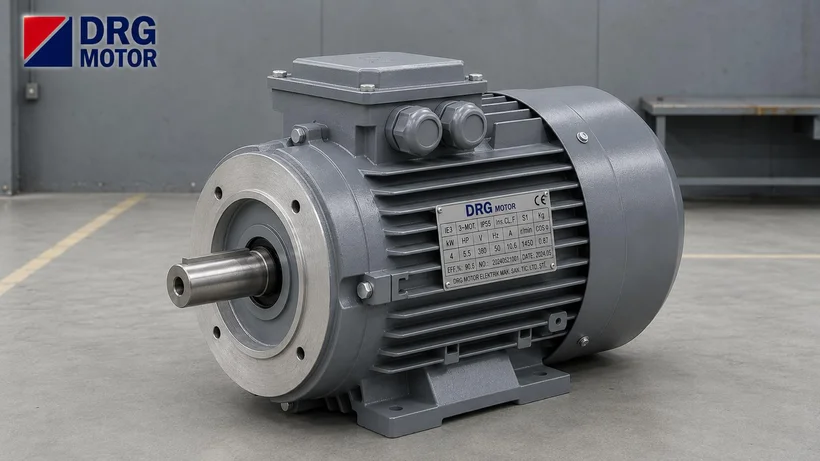
Production lines often run all day without stopping, and the extraction fan stays on until the shift ends; in most shops it is switched on before the machines and shut off last. Such applications need motors rated for S1 continuous duty and correctly sized thermally. Running a motor designed for short-term use under a continuous load pushes the winding temperature beyond its limit and seriously shortens its life. Even when the rated power on the label looks the same, two motors with different duty classes show very different endurance in real life.
When you source motors from us for your workshop, the products are recommended to suit your duty cycle. We take into account the power, the running time, the environment and the load profile. If your needs come close to heavy industrial conditions, we select a suitable model together from proven, robust general-purpose industrial motors. That way the motor runs reliably for the whole working life of your machine.
Vibration and Mounting Fit: The Key to Quiet Running
On precise machines such as circular saws and spindle moulders, motor vibration shows up directly in cut quality. An unbalanced rotor or the wrong flange type ruins the surface finish and tires the bearings early, affecting both product quality and motor life. That is why the way the motor mounts to the machine (foot, flange or combined) and the shaft size must be confirmed before supply. A wrongly mounted motor, even if it fits, runs with vibration and causes trouble before long.
If you are replacing an existing motor, simply share the old motor's connection dimensions and nameplate data; we find the compatible equivalent in stock and ship it quickly. Confirming details such as shaft diameter, flange hole pattern and frame length in advance saves you from surprises during installation. The right mounting shortens installation time and gets the machine back into production within minutes, keeping downtime in your shop to a minimum.
A Spare Motor Stock Prevents Production Loss
In wood production, a failed motor usually stops the whole line. A motor ordered specially and waited on for days means serious loss of output and revenue; for a shop with a deadline looming, that is a setback that is hard to recover from. The most reliable way to reduce this risk is to keep a spare motor for critical machines. Thanks to fast dispatch from our stock, you can build that planned redundancy economically and bring the line back up within minutes of an unexpected failure.
Supply security depends on the seller being as trustworthy as the brand. When you invest in your workshop, buying a genuine orijinal elektrik motoru makes a real difference in both warranty and long service life. Counterfeit or unclearly sourced products may look cheap in the short term but quickly cause trouble in a dusty, continuously running environment; poor-quality windings and bearings reveal themselves within the first few months. A motor from the right source, by contrast, simply gets on with the job quietly.
Energy Efficiency Lowers the Shop's Fixed Costs
The extraction fan and large machines make up a significant share of a workshop's electricity bill. Motors in a high efficiency class (IE3 and above) do the same work with less energy and permanently cut this fixed cost. On extraction lines that run all day in particular, the efficiency difference pays back the motor cost many times over within a few years. When energy prices climb, an efficient motor is not just a preference but a genuine advantage for the competitiveness of your business.
If you are setting up a larger facility or feeding several lines, choosing an efficient, correctly sized sanayi elektrik motoru noticeably lowers your total operating cost. The efficiency gain earns the investment back into your pocket over time. We can calculate together which efficiency class is worth the investment for your running hours and load profile, and work out a realistic payback period for you.
Let Us Pin Down the Right Motor for Your Shop
The correct motor for woodworking machines and aspiration units is never chosen from a single catalogue line; it calls for weighing your running hours, dust load, line layout and mounting dimensions together. At DRG Motor we stay beside you through this process and prepare a fast quotation, complete with stock status and price advantage, for the exact motor your application needs. Whether you are renewing the motor on a single machine or building a complete extraction line, we are ready to deliver the most suitable solution with the right protection class, the right power and the right mounting. Share your machine's nameplate or the details of your application, and our team will put the best solution in front of you in no time, so your shop keeps producing without a single stop.