 English
 Le français
 Türkçe

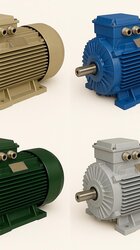
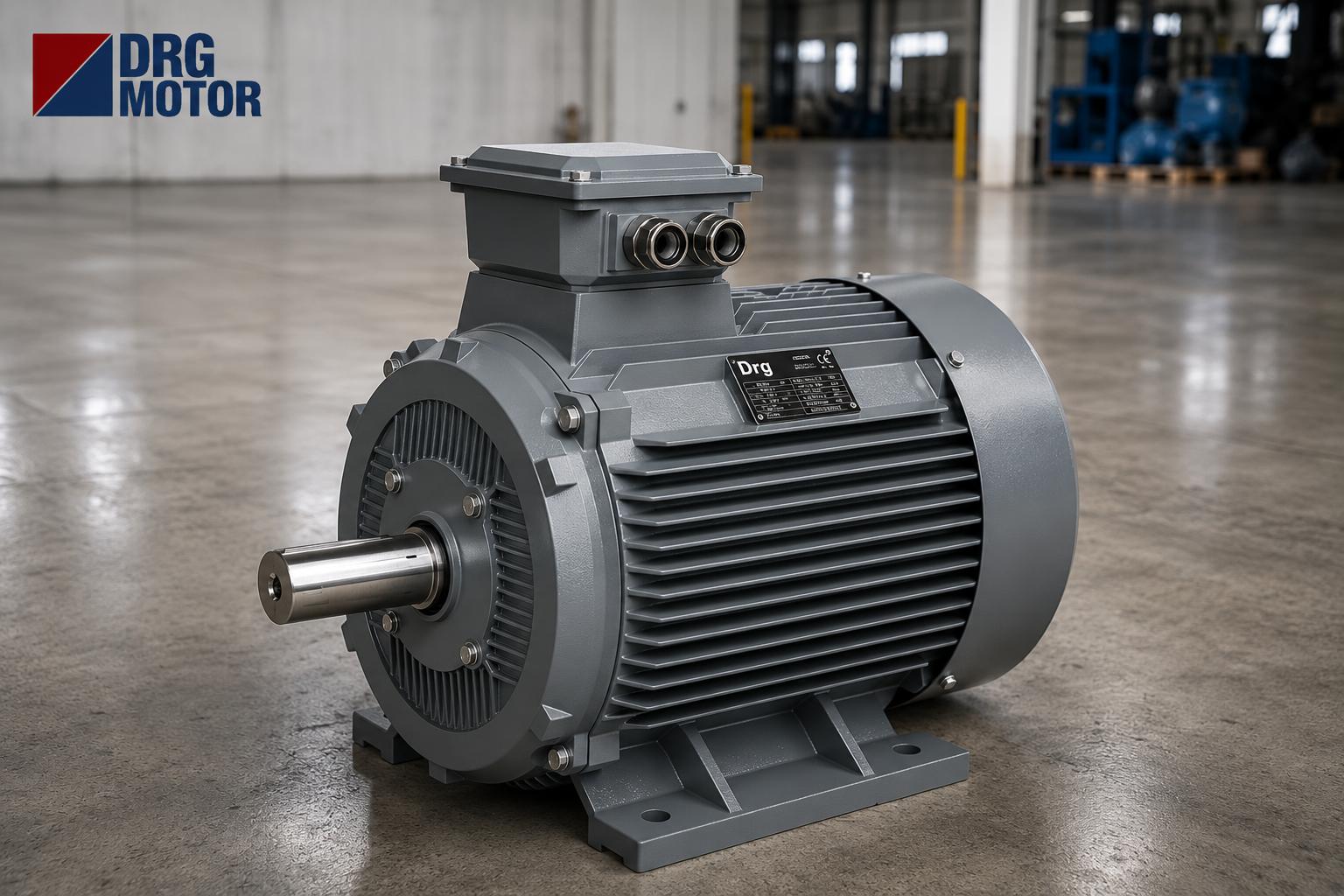

The continuity of a plant often hangs on an invisible link: who supplies its motors. Choose the right partner and the motor arrives on time, the nameplate values match the application, and a spare is only a phone call away when something fails. Choose the wrong one and deliveries slip, warranties turn into arguments, and the line stops. When planning production, most businesses focus on the technical specifications of the motor; yet the partner who will bring that motor, stand behind its warranty, and answer the phone next time is at least as decisive as the motor itself. This guide walks procurement teams through what to look for when building a dependable relationship with a motor distributor and dealer, using practical criteria drawn from the field, and shows how the right choice saves money over the long run.
Dealer or middleman: spotting the difference
Not everyone who calls themselves a supplier does the same job. A genuine dealer knows the product ranges of specific brands, carries stock, and answers technical questions correctly. A middleman simply takes the order, sources it from somewhere else, and shifts responsibility into the gap in between. The fastest way to tell them apart is to ask a few technical questions: the party that gives clear answers about bearing type, insulation class, protection rating, and mounting arrangement is the one actually in the business. A contact who can explain a motor's rated current, starting torque, and which drive it pairs with, without hesitation, is working from knowledge that holds up on site. That clarity removes a lot of surprises before they ever happen and keeps an order from setting off with the wrong specification. With a middleman the gap usually shows up on delivery day; with the right dealer the difference is obvious in the very first conversation.
Stock depth decides delivery speed
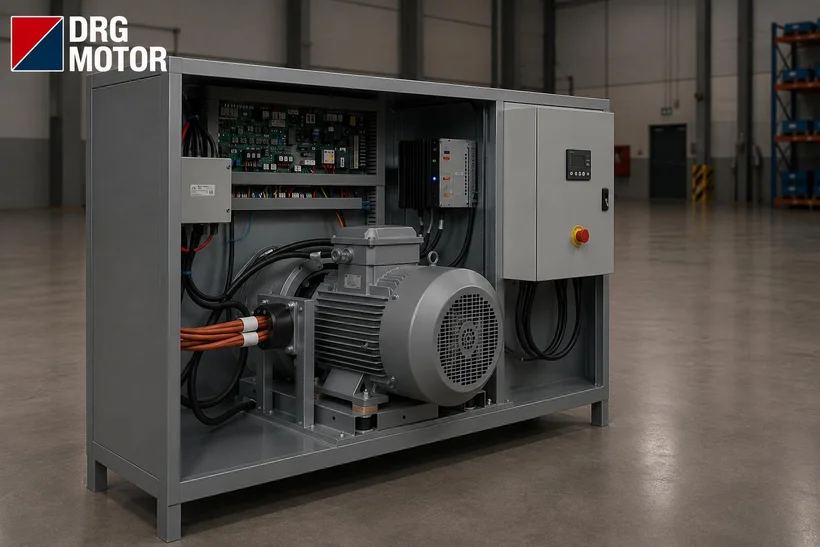
A dealer's value shows less in the breadth of its catalogue than in the real product sitting on its shelves. Waiting during an emergency breakdown is not a luxury; a stopped line loses money every hour, and that loss often exceeds the cost of the motor itself in a very short time. So it pays to ask which power and speed ranges the dealer actually keeps in stock. A partner holding common IEC frame sizes, B3 and B5 mounting types, and frequently requested pole counts makes the difference at the critical moment. Stock depth also means predictability; being able to estimate how long the next order will take lets you build your own production plan on solid ground. For those who want to explore a broad family of products, the general-purpose industrial motors category is a solid starting point. To see the logic of off-the-shelf delivery more closely, our article on stoktan elektrik motoru supply is also a useful read. A supplier that holds real product on the shelf is worth far more than a wide catalogue that exists only on paper.
Technical advice is part of the sale
A good dealer does not just sell a box; it listens to the application. Is it a pump, a fan, a conveyor; is it a steady load or a duty cycle that stops and starts often; is the environment dusty and humid? These questions decide what the right motor really is. A poorly chosen motor may look correct on the nameplate yet overheat early in the field, lose efficiency, and wear out faster than expected. In a frequently starting and stopping application, for instance, an undersized motor can develop winding trouble within months because of heat, while a one-class-higher choice in the same spot runs trouble-free for years. Judging a purchase not only on price but on the quality of the advice behind it lowers total cost over the long run. A dealer that asks the right questions is, in effect, reducing your risk up front and heading off the hidden costs that a wrong product would bring.
Price alone is misleading
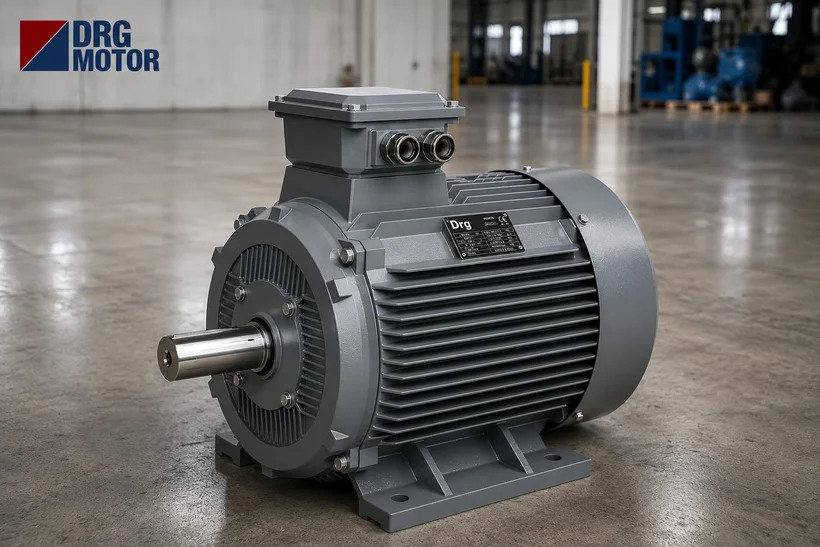
A motor price looks like a single number, but it is really the sum of several factors: power and speed, efficiency class (IE2, IE3, IE4), frame material, protection rating, order quantity, and lead time. Two motors with the same kW rating but different efficiency classes can open a serious gap in the electricity bill over the years, because for a continuously running motor the energy cost climbs well above the purchase price. That is why it makes more sense to request a quote prepared for your application and quantity than to chase a flat list price. The unit cost of a single motor and a fifty-motor project are not the same; whether the lead time is urgent or planned also feeds directly into the price. A transparent dealer is not shy about explaining which items make up the price and presents the quotation line by line. That way you know what you are paying for and never run into hidden surprise items.
Warranty and after-sales support
The promise behind the motor matters as much as the motor itself. The warranty period, its scope, and how the process works should be clear from the start. In case of failure, is the unit replaced or repaired; how quickly can you reach a spare part; how easy is it to get hold of the technical team? The answers determine whether you can work with a dealer for the long haul. A motor's warranty is not just a document but a measure of how quickly you can get back on your feet when something goes wrong. The appeal of a one-off cheap purchase evaporates fast when you find yourself alone after the sale. Strong after-sales support is the element felt long after the purchase yet valued the most, because that moment is exactly when your partner shows its true character.
Continuous supply and wholesale scale
A workshop buying a single motor and an integrator using hundreds of motors on a regular cycle have very different needs. With steady, high-volume buying you expect your dealer to plan alongside you, offer framework agreements, and adjust pricing to scale. This is where the criteria for choosing a toptan elektrik motoru supplier come into play; the right scale, the right discount, and a predictable delivery calendar should be considered together. Continuity comes from building a supply rhythm rather than negotiating each order from scratch. A delivery schedule agreed in advance eases both your cash flow and your production plan. As volume grows, the right dealer becomes not just a seller but a stakeholder sitting at your planning table, and over time that relationship produces a predictability that serves both sides.
Documents, compliance, and traceability
In industry a motor is not just a working part; it is also a chain of records. CE conformity, an efficiency class declaration, test reports, and serial number tracking make life easier both in audits and in warranty processes. A dealer that presents its documents in order is also a dealer that takes its work seriously. For businesses producing for export this paperwork discipline is even more critical; a single missing document can delay an entire order during a customer audit. That paperwork discipline is the quietest insurance, working in your favour should any dispute arise later, and it is one of the most concrete signs of a quality dealer.
- Which power and speed ranges are genuinely in stock?
- Is the quote prepared for the application and quantity?
- Are the warranty scope and process timing clear?
- Is technical advice offered before the sale?
- Are document and traceability standards met?
- Are framework agreements and predictable delivery possible for volume buying?
Setting out with the right partner
Choosing a motor dealer is really choosing a silent partner in your production. When speed, technical knowledge, transparent pricing, and solid after-sales support come together, the motor stops being a cost line and becomes a dependable act of supply. Finding an address that meets all these criteria at once means knocking again on a door you trust, rather than taking a fresh risk with every purchase. If you want to discuss the right motor for your application and a clear quote prepared for your quantity, reach out with your requirement details; our team will pin down the right model and delivery schedule with you, and stand beside you on your next order too.