 English
 Le français
 Türkçe

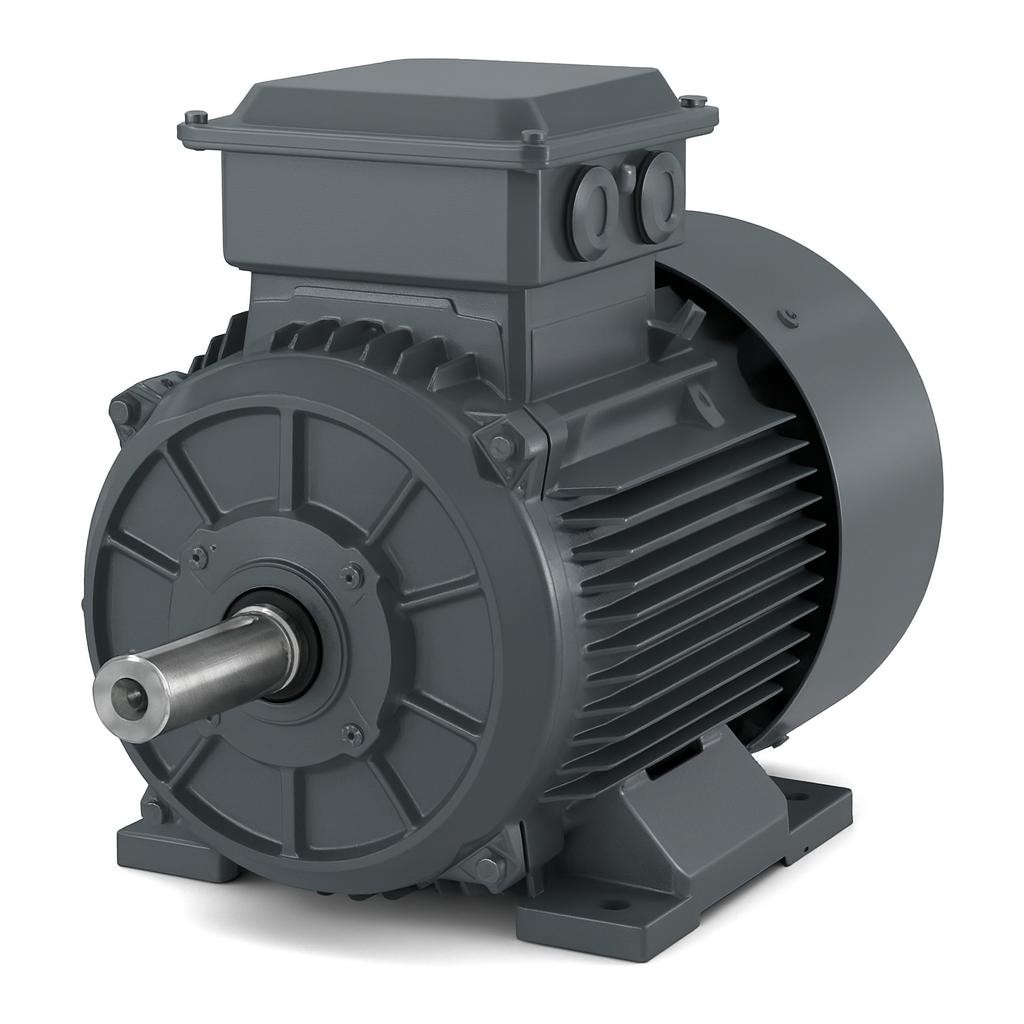

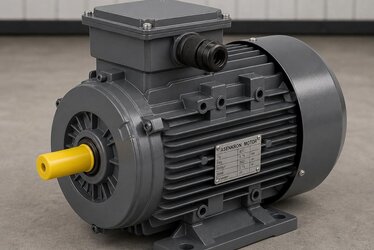
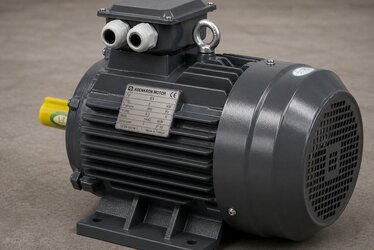
The IEC 60034-30-1 standard sorts efficiency into IE1 Standard, IE2 High, IE3 Premium, IE4 Super Premium and IE5 Ultra Premium. For a given rating, the price of a motor rises as the class goes up, because a higher class calls for more copper, better lamination steel and a lower-loss design. Reading a price list correctly starts with understanding which class actually pays back as an investment for your plant.
The Difference Between IE3, IE4 and IE5
An IE3 motor is today's legal baseline in most industrial uses and a balanced choice thanks to its moderate first cost. An IE4 motor runs the same output with fewer losses; on pumps, fans and compressors that operate continuously, that gap shows up clearly on the electricity bill. IE5 pushes losses to the minimum and is usually achieved with permanent-magnet or synchronous reluctance designs.
Technical Factors That Set the Price
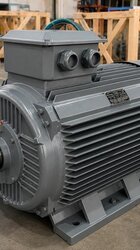
A line on the list is priced by power (0.55–355 kW), pole count or speed (2-pole 3000 rpm, 4-pole 1500 rpm, 6-pole 1000 rpm), frame material (cast iron or aluminium) and mounting (B3 foot, B5 flange, B14 face). For the same kW, a 6-pole motor costs more than a 2-pole because of its larger frame.
How Efficiency Class Affects Running Cost
Most of a motor's lifetime cost is the energy it consumes, not the purchase price. On a motor that runs long hours each day, choosing IE4 over IE3 can recover the first-cost gap within a few years. That is why a price list should be judged together with operating hours and efficiency class, not by the sticker figure alone.
How to Get a Current Quote
DRG Motor offers IE3, IE4 and IE5 motors at 400 V / 50 Hz with Class F insulation and IP55 protection across a wide power range. Because pricing moves with exchange rates, rating and frame type, the most accurate figure is a live quote; share your application's power, speed and mounting and we will price it for you.