 English
 Le français
 Türkçe
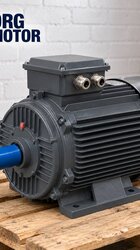
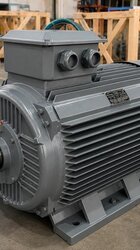
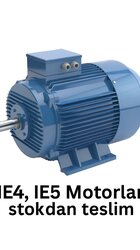
High-Efficiency IE3 Class Electric Motor

Our Quick Access Phone Numbers:
+905426661111
+905337770444
Mail : [email protected]
An electric motor is a device that converts electrical energy into mechanical motion. This conversion allows machines to rotate, production lines to operate, and technological systems to function seamlessly. Today, electric motors are indispensable components in industry, transportation, and daily life.
In modern production, electric motors act as invisible power sources. When they stop, systems fail and production processes experience interruptions. Therefore, motors are considered critical components forming the heart of modern industry.
⸻
How Electric Motors Work
Electric motors operate based on the principle of electromagnetic induction. Electrical current passing through stator windings creates a magnetic field. This field generates force on the rotor, causing it to rotate. The rotational motion of the rotor is transmitted to external systems through the shaft.
Main components:
• Stator: Produces a stationary magnetic field
• Rotor: Moving component generating rotational motion
• Windings: Conduct electrical current
• Shaft: Transfers mechanical energy
• Bearings: Reduce friction and balance movement
• Cooling system: Maintains motor temperature
This structure allows electrical energy to be continuously and efficiently converted into mechanical energy.
⸻
Types of Electric Motors
AC Motors
Operate with alternating current and are most commonly used in industry. They are durable and low-maintenance.
DC Motors
Operate with direct current and are used in applications requiring precise speed control.
Synchronous and Asynchronous Motors
• Asynchronous motors are widely used due to durability and cost-effectiveness.
• Synchronous motors are advantageous in applications requiring constant speed.
High-Efficiency Motors
Motors in IE2, IE3, and IE4 efficiency classes reduce energy consumption and provide cost savings.
⸻
Applications
Electric motors play a critical role in many sectors:
• Industry: Conveyors, presses, mixers, fan systems
• Energy & Infrastructure: Water treatment, pressure systems, generators
• Transportation: Electric vehicle systems, elevators, escalators, rail systems
• Daily Life: Household appliances, HVAC systems, power tools
Their widespread use is due to reliability and continuous operating capability.
⸻
Efficiency and Technological Advantages
Advancing technology has made motors more efficient and durable. High-efficiency motors consume less energy and produce less heat, reducing operational costs and environmental impact.
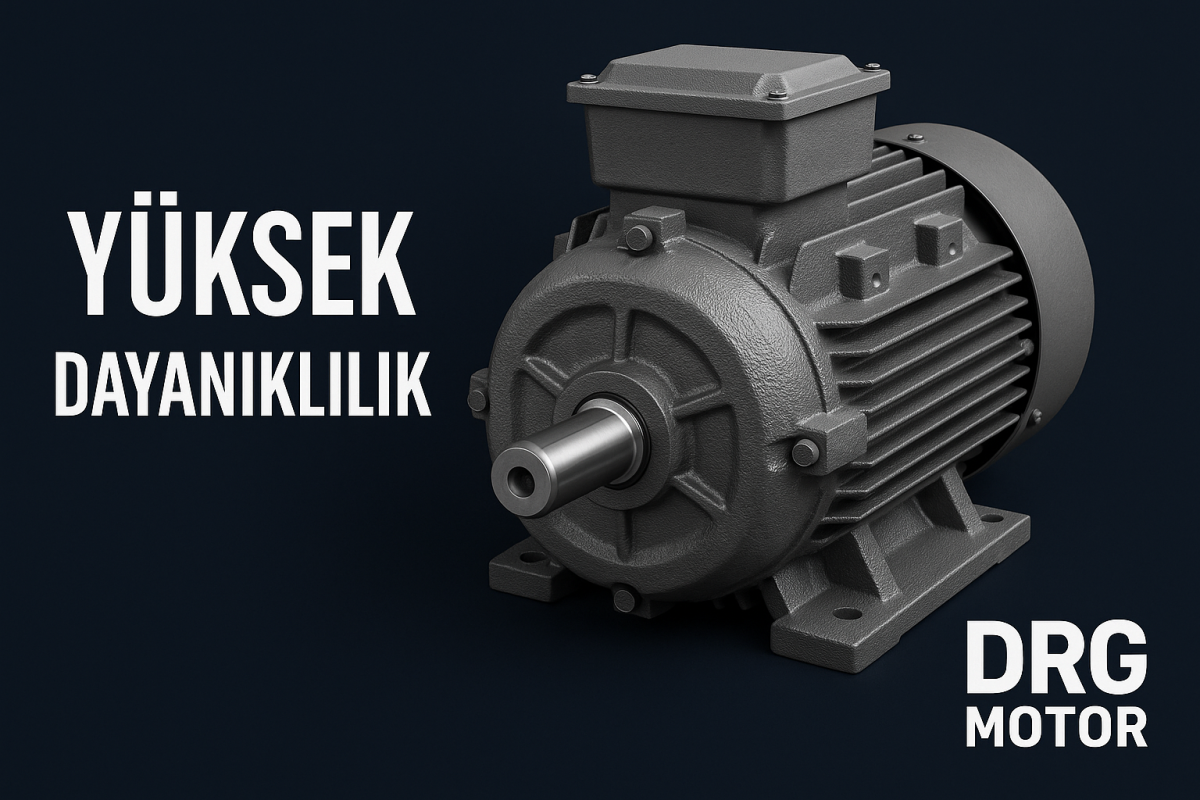
Engineering approach and quality make a difference in the electric motor field. One of the notable names representing performance and reliability in the industry is DRG Motor, highlighting sustainable and high-performance standards.
⸻
Key Criteria for Motor Selection
• Power rating (kW / HP)
• Nominal speed (RPM)
• Voltage and phase
• Environmental conditions
• IP protection rating
• Efficiency class
Incorrect motor selection can lead to energy loss and equipment damage.
⸻
Conclusion
Electric motors are fundamental energy-converting devices in modern industry and daily life. By converting electrical energy into mechanical motion, they ensure uninterrupted system operation. With advancing technology, motors are becoming more efficient, durable, and environmentally friendly.
Properly engineered and planned motor selection provides long-term performance and cost advantages.
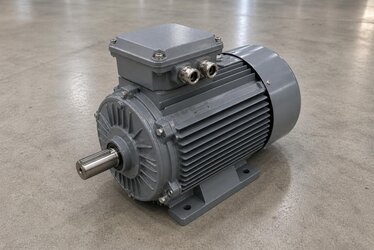
Electric Motor Prices 2026–2030Electric motors are essential power components used in production machinery, pumps, fans, compressors, conveyors and many industrial systems. Electri... More Details
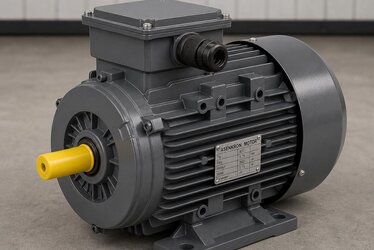
Single-Phase Electric Motor Prices: Cost-Effective 220V Motor OptionsSingle-phase electric motor prices vary according to motor power, speed, starting torque, capacitor design, fra... More Details
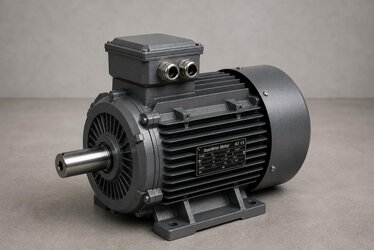
Single-Phase Electric Motors 220V Electric MotorsSingle-phase electric motors are widely used where a three-phase power supply is not available or where a practical dri... More Details
Electric Motor Prices and TypesElectric motors provide the driving power for pumps, fans, compressors, conveyors, gearboxes, crushing and screening plants, concrete batching plants... More Details
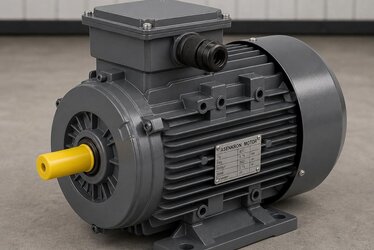
Three-Phase Motor Types, Selection and PricesA three-phase motor is an industrial electric motor that converts energy supplied by a three-phase electrical network into mechanical ... More Details
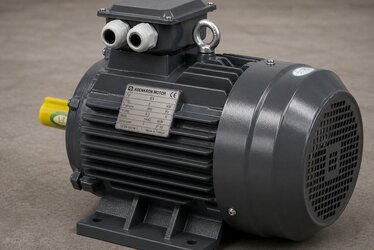
Designed to meet the demands of uninterrupted production and maximum power requirements in heavy industrial facilities, 185 kW 1500 RPM three-phase electric motors form the fundame... More Details