 English
 Le français
 Türkçe

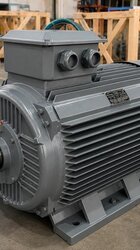

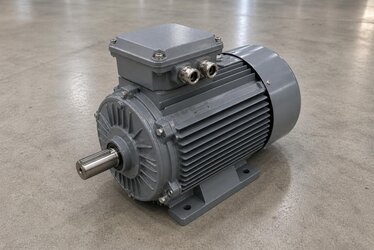
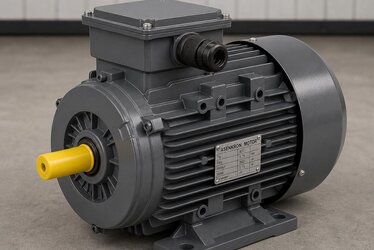
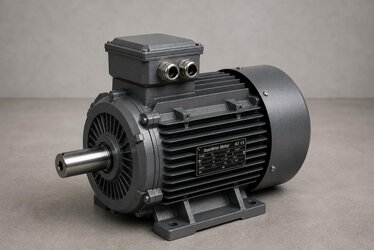
High-torque IE3 motors are preferred on conveyors, mixers, crushers and any drive that demands a heavy start. Quoting a single price for such motors is misleading, because the cost moves directly with power, speed, frame type and efficiency class. Below we explain the factors that set the price and how to evaluate them.
How Torque and Starting Demand Affect Price
Applications needing high starting torque call for a different rotor design and steel grade, which feeds into cost. Even at the same kW rating, a crusher drive that starts under heavy load needs a different torque curve than a constant-speed fan drive. Choosing the wrong torque class raises both the initial outlay and the failure cost.
The Role of Power, Speed and Frame Type
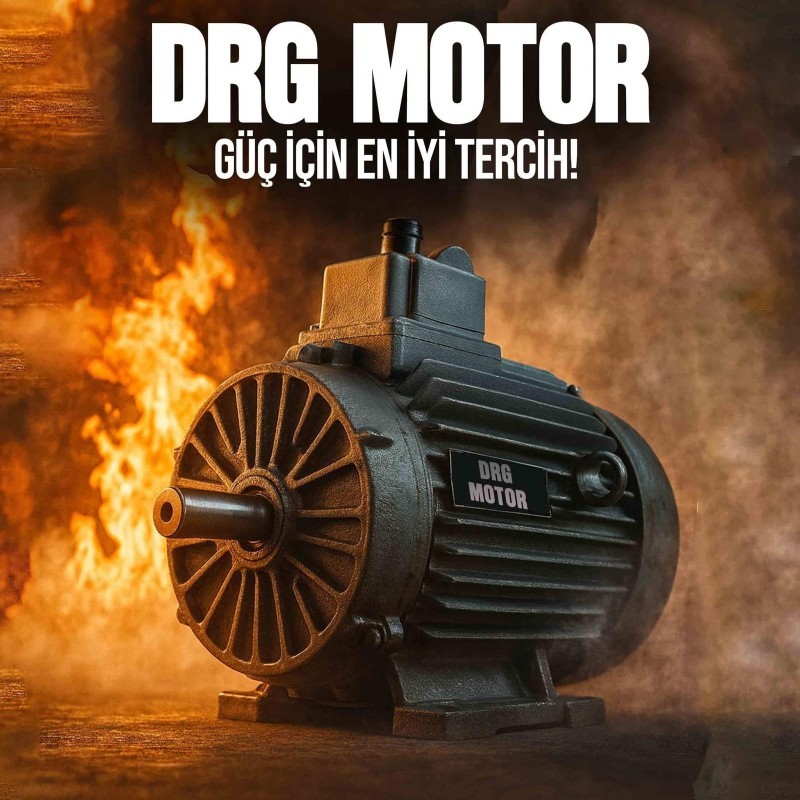
The core parameters that set the price are kW rating (0.55–355 kW), pole count (2/4/6-pole) and frame material. A cast iron frame is more durable than aluminium and is preferred for high-torque duty, and the price is positioned accordingly. Foot-mounted B3, flange-mounted B5 and face-mounted B14 options are also part of the cost.
How IE3 Efficiency Affects Total Cost
An IE3 (Premium) motor may carry a slightly higher purchase price than IE1, but on a continuously running drive the energy savings offset that gap quickly. The price should therefore be judged together with the energy the motor consumes over its working life, not by the label price alone.
Get a Current Quote from DRG Motor
A precise price depends on your application's power, speed, mounting and torque needs. DRG Motor prepares a current, application-specific quote for the high-torque IE3 model that suits you. Share your drive details and we will pin down the right motor and its price together.