 English
 Le français
 Türkçe

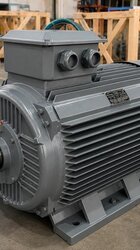
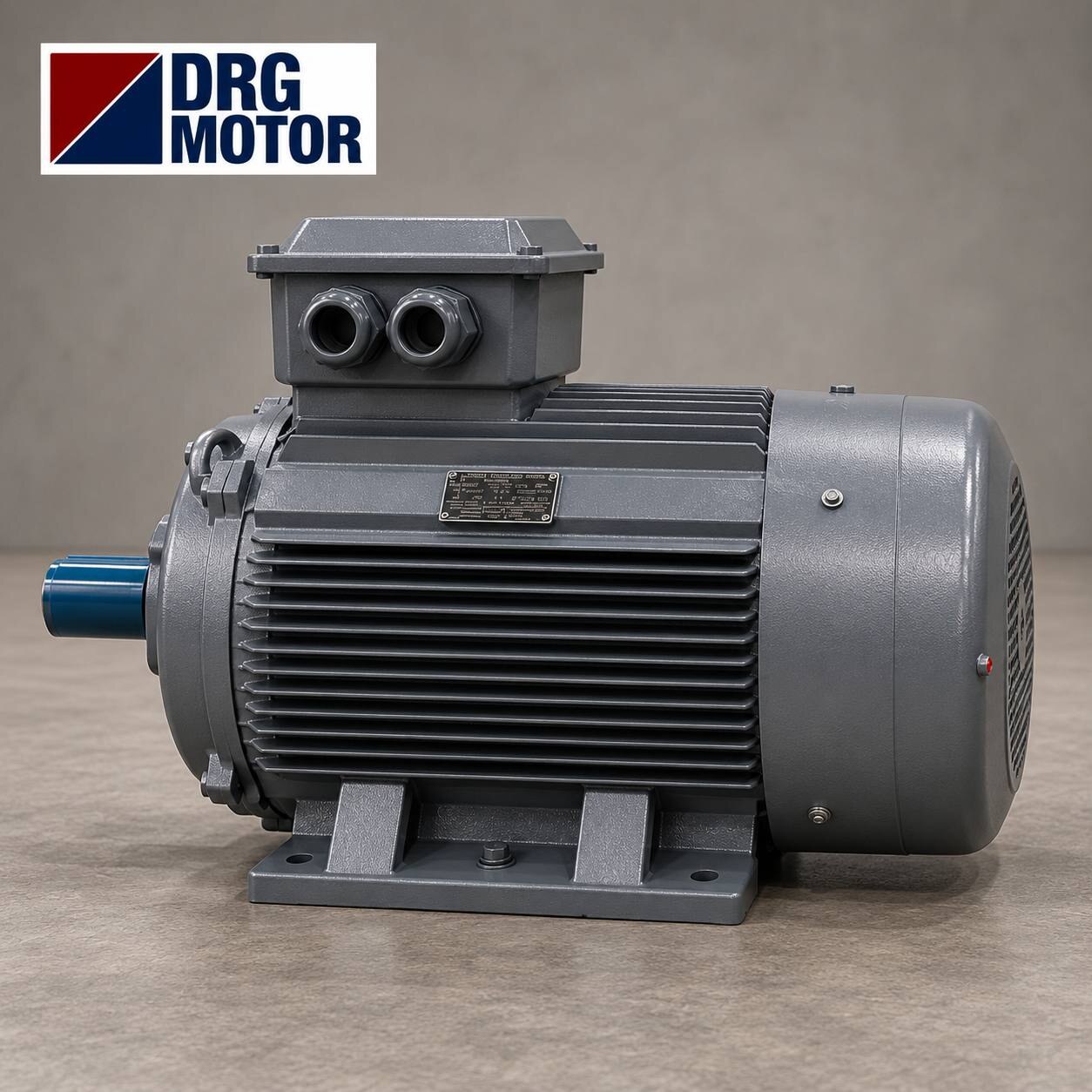

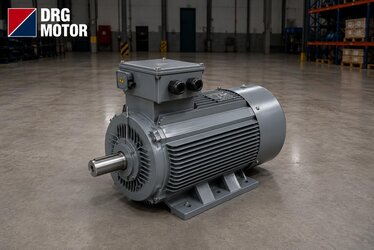
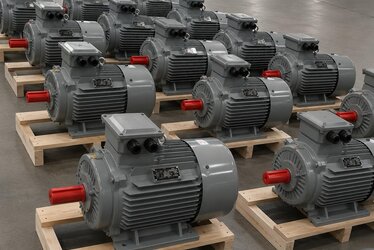
An electric motor designed for industrial use differs from its domestic counterparts in design philosophy: the goal is not maximum comfort but predictable, uninterrupted operation under continuous load. The motor that turns a pump, a hoist or a conveyor on a production line is sized to deliver the same performance for years.
What Sets an Industrial Motor Apart?
Three-phase asynchronous motors have become the industrial standard thanks to their rugged construction and low maintenance needs. The squirrel-cage rotor design, with no brushes or commutator, minimises the number of wearing parts, which translates into long service intervals and high uptime.
Matching Power, Speed and Torque
Correct motor selection begins with the power and speed the load demands. On a 50 Hz supply a 4-pole motor runs at 1500 rpm, a 2-pole at 3000 rpm and a 6-pole at 1000 rpm. Low-speed motors suit high-torque mills and mixers, while higher-speed models are chosen for pumps and fans.
Efficiency Class and Running Cost
The IEC 60034-30-1 standard grades efficiency from IE1 to IE5. IE3 Premium and IE4 Super Premium motors carry a slightly higher purchase price, but the energy they save quickly pays it back in plants that run continuously.
Selecting a Motor for the Application
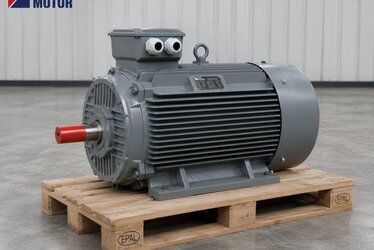
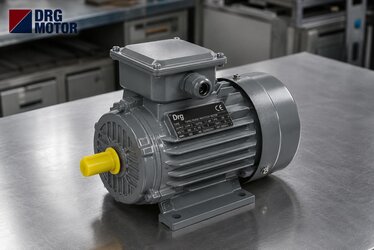
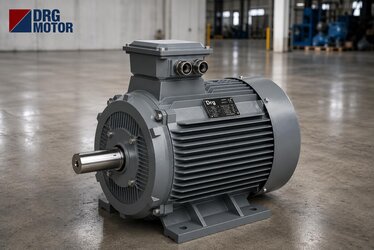
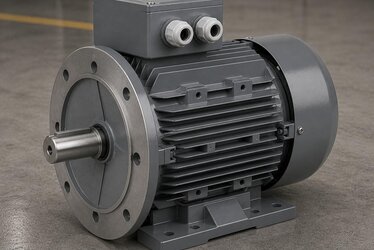
DRG Motor offers a 0.55–355 kW range with Class F insulation and IP55 protection in B3 foot-mounted, B5 flange-mounted and B14 face-mounted configurations. Consult our product team to determine the best configuration for the character of the load in your plant.