 English
 Türkçe

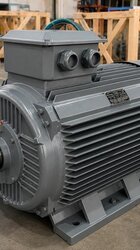
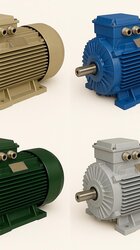
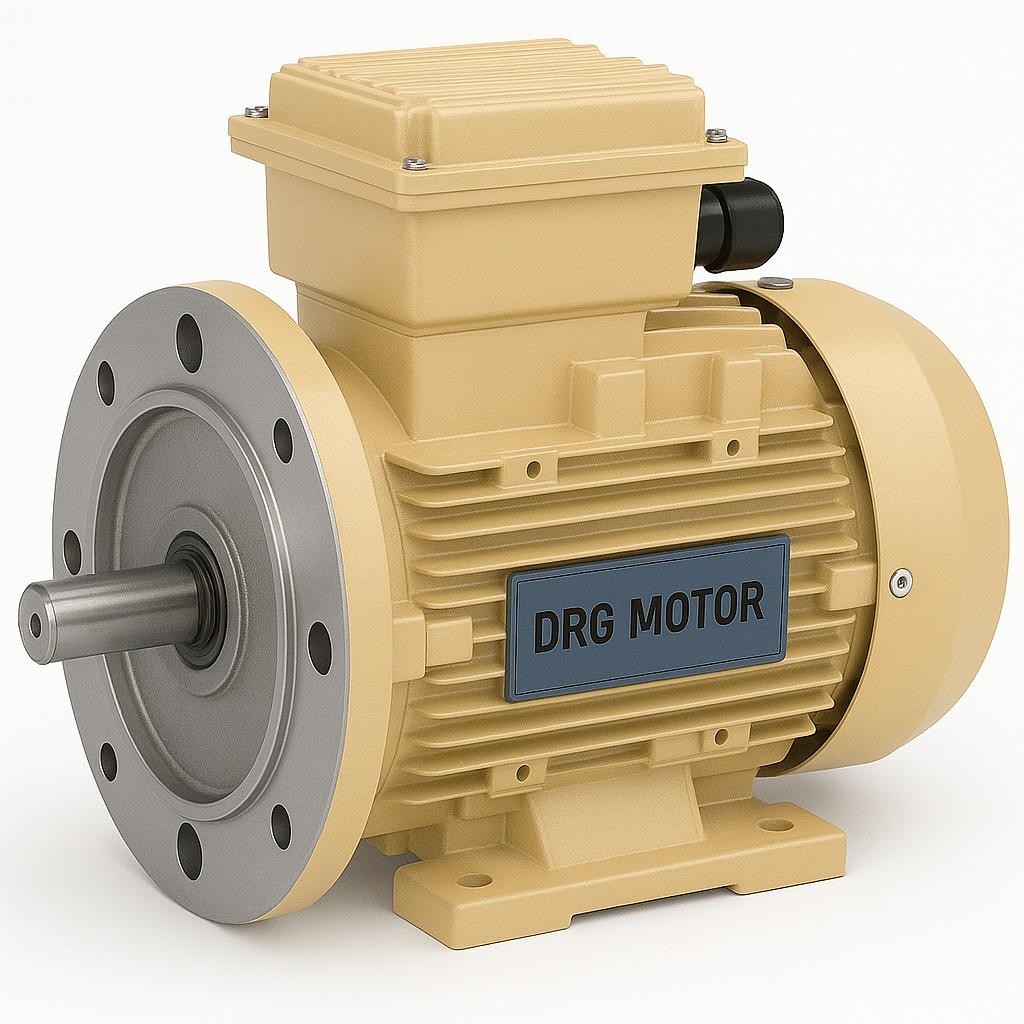

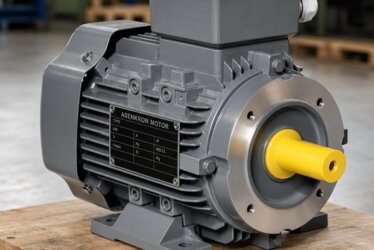
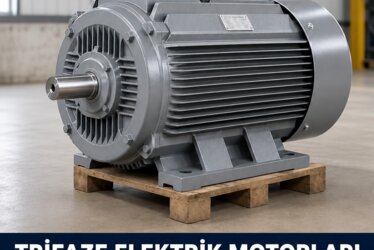
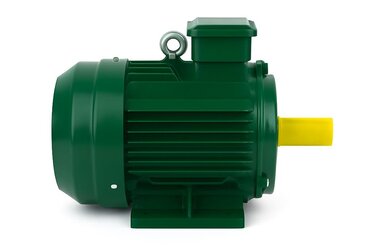
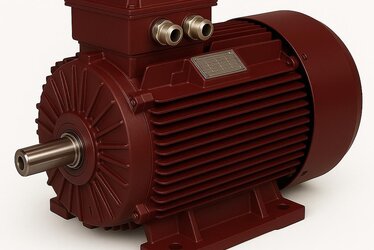
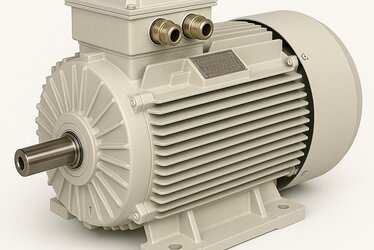
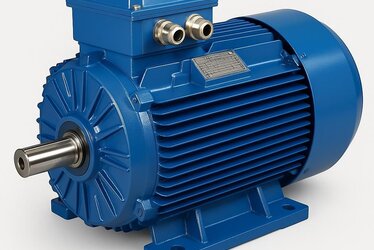
An electric motor is the power system that converts electrical energy into mechanical motion at the shaft, and it sits at the heart of nearly every industrial machine. Across İzmir's broad industrial basin, countless applications—from production lines to pump and fan systems—turn on these motors.
How an Induction Motor Works
In the most common type, the three-phase induction motor, the stator windings create a rotating magnetic field; this field induces a current in the rotor and turns it. Because the design is simple and brushless, induction motors are rugged in service and long-lived.
Core Technical Features
A standard industrial motor runs on a 400 V / 50 Hz supply with IP55 protection and Class F insulation. The pole count sets the speed: 2 poles give 3,000 rpm, 4 poles 1,500 rpm and 6 poles 1,000 rpm. The mounting is chosen by application: foot-mounted B3, flange-mounted B5 or face-mounted B14.
Why Efficiency Class Matters
The IEC 60034-30-1 standard rates motors from IE1 to IE5. High-efficiency IE3, IE4 and IE5 motors do the same work on less electricity; in continuously running plants that gap lowers operating cost directly.
DRG Motor in İzmir
İzmir-based supplier DRG Motor offers cast iron and aluminium motors from 0.55 to 355 kW across efficiency classes from IE3 to IE5. Share your application and we will determine the right power, speed and housing type along with a current quotation.