 English
 Le français
 Türkçe

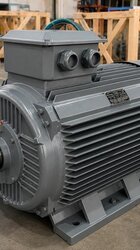
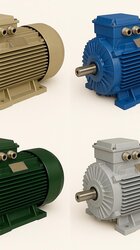
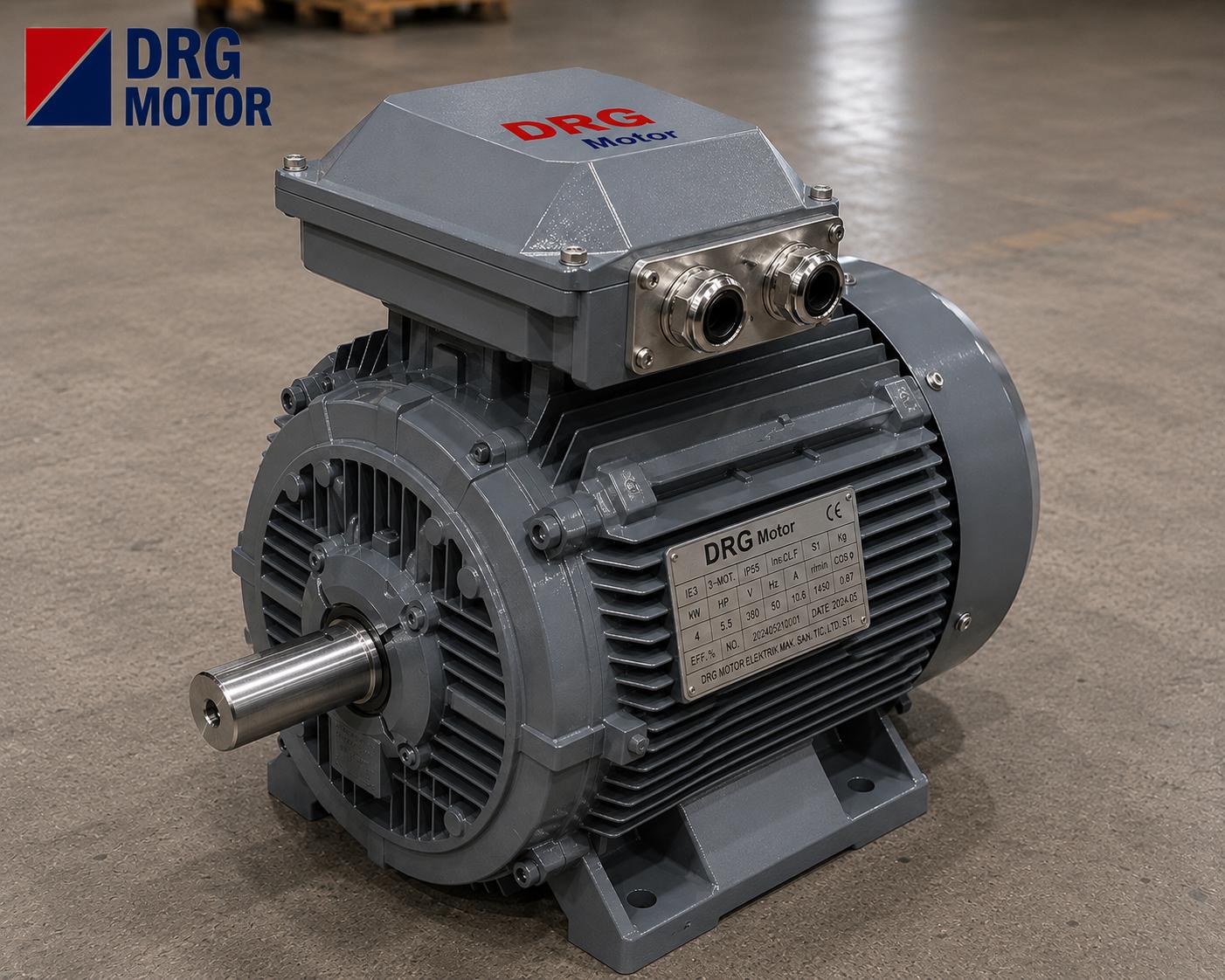

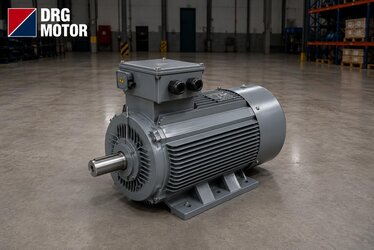
A concrete batching plant looks like a single facility from the outside, but inside it runs dozens of electric motors with very different working characters. The mixer sits at the heart of production and demands high torque; the conveyor belts move aggregate and cement in a steady continuous-duty flow; and the screw feeders beneath the cement silo turn endlessly in a dusty, abrasive environment. Sourcing all of these needs one by one, from different suppliers, is a headache for both project timing and spare-parts management. At DRG Motor our approach to plant owners and maintenance teams is straightforward: supply every concrete plant motor you need, from the mixer to the belt and from the silo to the screen, from a single source with correctly matched power and speed.
Not Every Unit in a Plant Needs the Same Motor
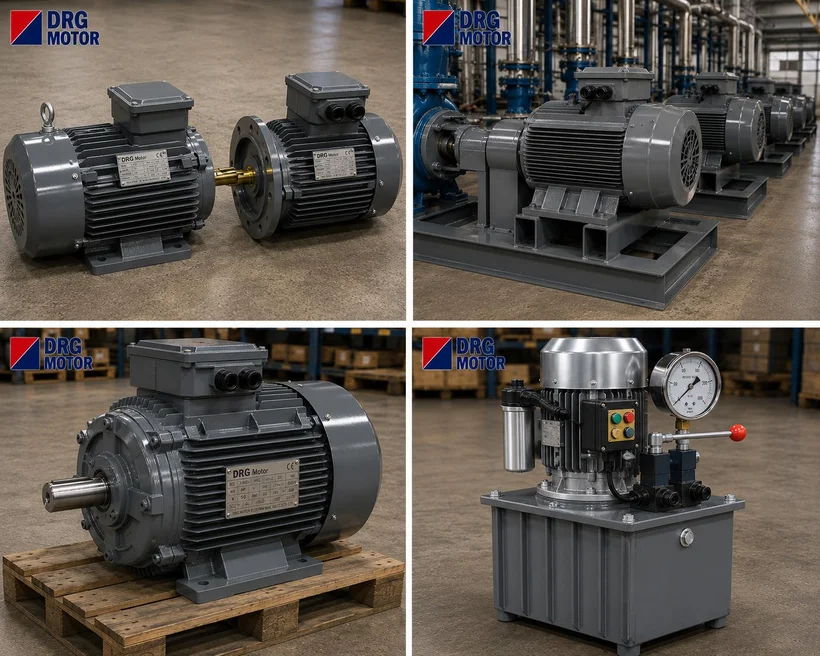
A concrete plant is not one type of motion repeated everywhere; it is a place where mixing, conveying, dosing and discharging run side by side as independent mechanical jobs. Each of those jobs expects something different from its motor. The mixer unit needs high starting torque and a rugged frame to turn heavy, sticky concrete. The conveyor belts run for long hours at a fixed speed, so they call for efficient, thermally stable motors. Silo feeders and screw conveyors operate in the low-speed, high-torque region, while water and additive pumps run on more standard general-purpose motors. Looking at one power figure and deciding to "fit the same motor everywhere" may seem cheaper at first, but it comes back as overheating, breakdowns and downtime over the long run.
The Mixer Motor: Built for Torque and Continuity
The mixer is the most heavily loaded point in the plant. The paddles work against a paste-like mix and create a clear load resistance on every revolution. That is why the most critical criterion for a mixer motor is not nominal power but starting torque and short-term overload capacity. A full mixer draws high current at start-up; you need a motor that clears this start without trouble and then delivers a stable torque curve. Mixer applications usually rely on gearmotor combinations: the motor turns at high speed and the gearbox multiplies the torque before passing it to the mixing shaft. Here, correctly matching the motor and gearbox, the direction of rotation and the mounting flange saves a lot of time in the field. Another aspect that demands attention on the mixer motor is the frequent start-stop cycle. With every batch, the mixer fills, turns and empties; that means a repeating start-up load for the motor. A motor without enough thermal reserve overheats in this cycle and shortens its winding life. Choosing a slightly more powerful, thermally comfortable motor on the mixer side is therefore always the wiser investment for longevity and continuity. At DRG we evaluate the power-speed-gearbox trio together with the start frequency and batch capacity for the mixer side, and pin everything down at the quotation stage.
Belt Conveyor Motors: Efficient, Continuous-Duty Workhorses
The conveyor belts that carry aggregate and cement to the weighing hoppers are the longest-running units in the plant. A belt motor turns at a fixed speed for most of the day in continuous-duty (S1) operation. That is why our priority on the belt side is efficiency and thermal endurance; low-loss, high IE-class motors visibly lower the electricity bill over time. Another key point in belt applications is start-up management: a loaded belt starts heavy, so motors driven by a soft starter or a frequency inverter both reduce mechanical shock and extend belt life. On inclined belts that require a brake or backstop, the motor selection must reflect that as well. For the belt group, general-purpose industrial motors are usually sufficient; with the right power rating and mounting type, they deliver long, trouble-free service.
Silo, Screw and Feeder Motors: Working Inside the Dust
The screw feeders and dosing gates beneath the cement silo create one of the harshest environments a motor can face. The air is full of dense cement dust; this dust is both abrasive and clogs cooling fins, causing the motor to overheat. The protection class is therefore critical for silo and screw motors. You should choose motors that produce high torque at low speed and have a sealed frame that keeps dust out. If a screw jams, the motor's ability to absorb short-term overload, a correctly set thermal protection and, where needed, a gearmotor solution all sharply reduce the risk of failure. Choosing the wrong protection class in a dusty environment is one of the most common causes of early failure that we encounter.
Dust and Outdoor Exposure: Why IP55 and Proper Insulation Matter
Concrete plants are largely installed outdoors or within semi-open steel structures. The motors are exposed to rain, dust, humidity and temperature swings. Under these conditions an IP55 protection class at minimum is recommended, meaning a frame that is dust-protected and resistant to water jets from any direction. IP55 prevents cement dust from entering the motor and wearing down the windings and bearings, while also ensuring safe operation during wash-downs and rainy weather. On top of that, a suitable insulation class (typically Class F) and proper thermal protection keep the motor in a safe zone even at high ambient temperatures in summer. A motor with the right protection class may look slightly more expensive at the initial investment, but it more than pays for itself in maintenance cost and downtime.
The Advantage of Complete Motor Supply from One Source
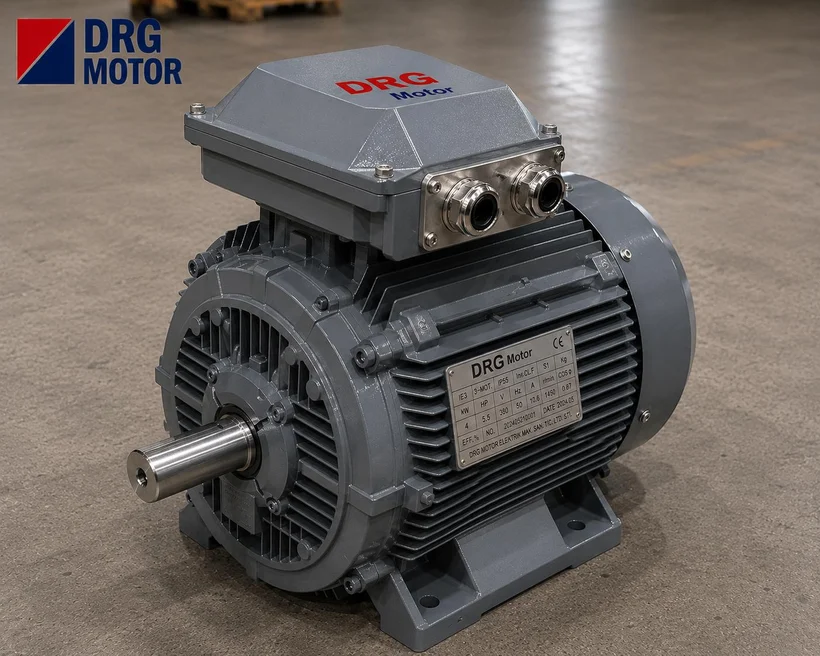
For a company that builds or operates a concrete plant, one of the biggest challenges is collecting motors for different units from different places. Buying the mixer from one supplier, the belt motor from another and the silo screw from yet a third means mismatched delivery times, different warranty terms, incompatible mounting dimensions and scattered after-sales support. The concrete benefits of sourcing all of these motors from a single supplier are:
- One quotation, one order and one shipment plan for every unit, so the project schedule does not slip.
- Power, speed, mounting type and flange dimensions are chosen compatible from the start, with no surprises in the field.
- Single-point technical support and spare parts; when something fails, you know exactly who to call.
- Standard frames and connection types simplify your spare-motor stock and make redundancy easy for critical units.
- Better commercial terms on bulk supply and simpler accounting.
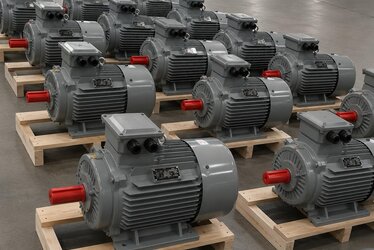
For most of the belt, pump and auxiliary drives beyond the mixer, general-purpose industrial motors form an ideal backbone; these can be planned in one package alongside the specialised solutions on the silo and mixer side.
Spare Parts and Maintenance: Keeping Downtime to a Minimum
When a motor stops in a concrete plant, it usually means the whole production stops, because the line runs in series. That is why keeping a spare motor for critical units, especially the mixer and the main belt, is so important. This is exactly where working with a single supplier pays off: when a standard frame series is selected, one spare motor can rescue several units in an emergency. Furthermore, being able to source consumables such as bearings, seals and fans from the same series makes planned maintenance far simpler. At DRG the quotation stage looks past the motors to the redundancy and maintenance scenario you will need down the road.
Get a Quote from DRG for the Right Motor Selection
Share with us the power, speed and torque values you need for your plant's mixer, belts, silo and auxiliary drives, and we will prepare a complete supply offer that includes the most suitable motor for each unit, along with gearmotor combinations where required. Whether you are building a new plant or replacing worn-out motors in your existing facility, we are by your side with a single-source, compatible and quickly deliverable solution. Send us your plant's load profile and operating conditions, and our team will present the right concrete plant motor combination and a clear quotation process. The right motor, the right supplier and the right support are waiting for you at one address, so your production line keeps turning without interruption.