 English
 Le français
 Türkçe

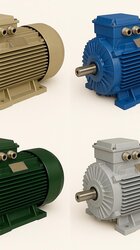
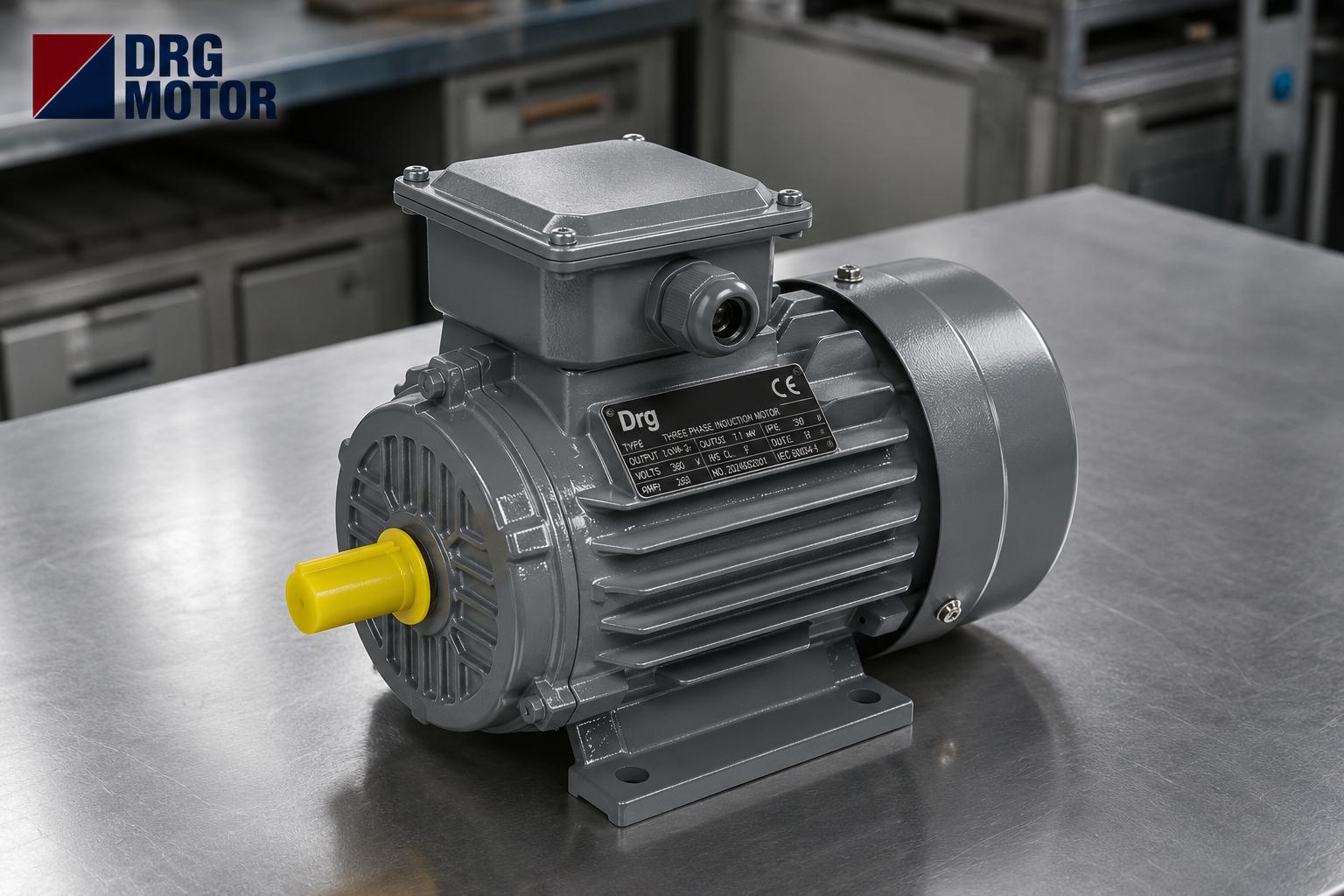

The efficiency of a facility often depends less on the technical specifications of its machines and more on whether the motors that drive those machines are supplied at the right time, with the right specifications, and without disruption. For businesses, the electric motor supply process is far more than a simple purchase; it is an integrated flow that stretches from the quote stage to delivery and involves planning, verification, and logistics. In this article, we walk through how B2B buyers can manage this process step by step, which questions to ask at each stage, and how to reduce risk while shortening lead times. Our goal is to outline a procurement discipline in which purchasing teams and technical leads speak the same language, and overlooked items do not turn into costly surprises. Most of the stoppages experienced on the shop floor stem not from the motor itself, but from a poorly managed supply flow. A well-structured process, by contrast, protects cash flow and makes the maintenance schedule predictable.
Defining the Requirement: A Good Quote Starts With Good Data
A healthy electric motor supply process begins with a complete definition of the requirement. The clearer the request sent to the supplier, the more accurate and comparable the returning quote will be. When details such as power (kW), speed (rpm), voltage, protection class (IP), mounting type (B3, B5, B14), efficiency class (IE2/IE3/IE4), and operating environment are shared in the first message, turnaround time drops significantly. Quotes requested with incomplete information turn into a back-and-forth cycle that drags on and often ends with the wrong product. When defining the requirement, it also helps to state the application the motor will run, the daily operating hours, how frequently it starts, and whether it will run together with a variable frequency drive (VFD). These details allow the supplier to recommend the right efficiency and insulation class. Moreover, if you are looking for a replacement for an existing motor, sharing the old motor's nameplate data speeds things up; the power, speed, voltage, and dimensional codes on the plate let the supplier identify an equivalent model in seconds.
The Quote Stage: The Factors Behind the Price
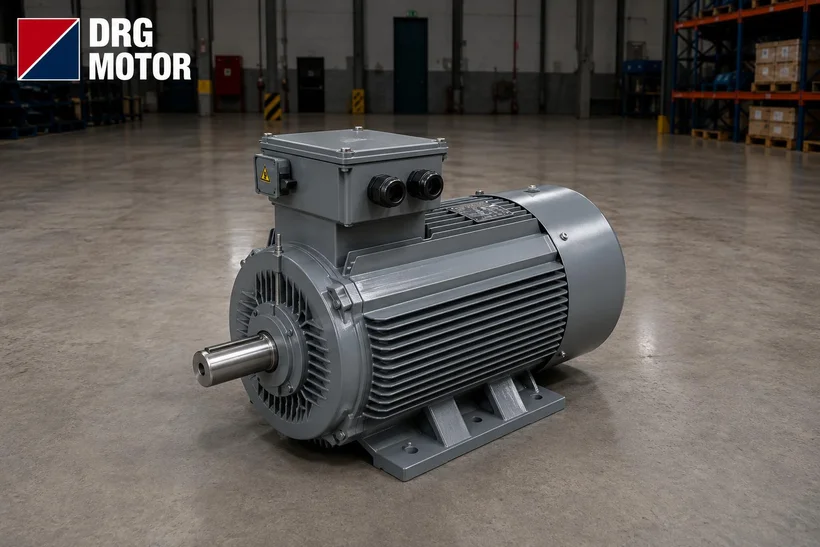
Seeing a fixed list price in a quote is rare, and that is to be expected. Electric motor pricing is shaped by several variables, including copper and steel prices, efficiency class, order quantity, stock availability, brand, and lead time. For this reason, a serious buyer should focus not on a single number but on the factors that build that price. The difference between two motors of the same power often comes from the efficiency class and winding quality, which directly affects the plant's annual energy cost. On a continuously running motor, the energy bill exceeds the upfront purchase price many times over within a few years, so deciding on the sticker price alone usually proves expensive. When comparing quotes, placing an estimated energy cost next to each figure is the soundest way to see the real saving. A professional supplier makes this comparison easier on your behalf by presenting alternatives from different efficiency classes side by side upon your request.
- Quantity and continuity: Regular procurement means better conditions.
- Efficiency class: IE3 and IE4 motors cost more upfront but lower the total cost of ownership.
- Stock availability: Delivery from stock is far faster than a model awaiting supply.
- Delivery terms: Freight, packaging, and insurance should be included in the total.
Technical Verification: Before You Send the Wrong Motor to Site
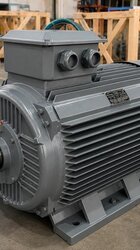
Running a technical verification before approving the quote prevents the most costly mistakes down the line. Mounting dimensions, shaft diameter, flange bore, terminal box orientation, and connection type (star/delta) must match the application exactly. When we perform this verification together with you, it shows we are a solution partner rather than just a seller. A supplier with a strong portfolio of general-purpose industrial motors speeds up verification by offering alternatives suited to different applications from a single point of contact. A frequently overlooked point during verification is the ambient conditions: a standard motor wears out prematurely in an area exposed to high temperature, dust, moisture, or chemical attack. For this reason, discussing the protection class and, if needed, special coatings or cooling solutions at the quote stage directly determines the motor's lifespan in the field. Carrying out technical verification through shared images and measurements rather than documents alone prevents millimeter-level mismatches, especially on flanged (B5/B14) mountings, and stops the wrong product from reaching the site.
Choosing a Supplier: From One-Off Purchase to Ongoing Partnership
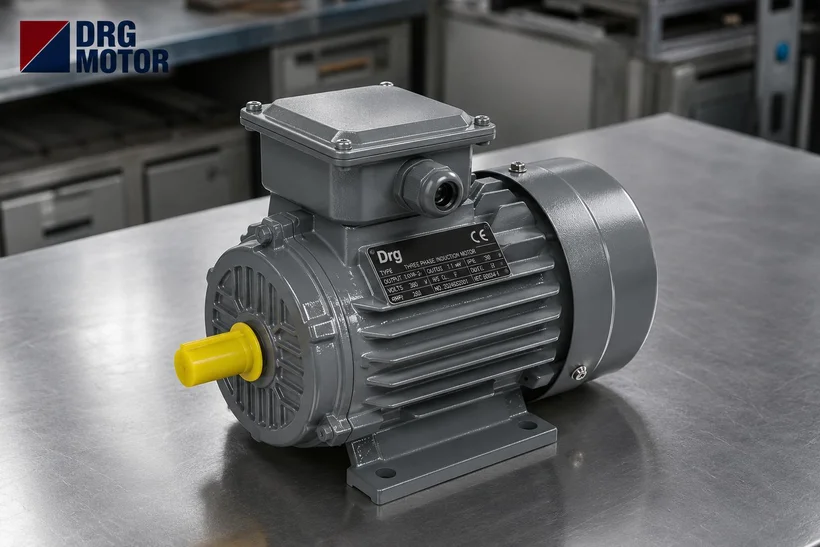
On the B2B side, motor supply is rarely a one-time event; it is a recurring need driven by maintenance, replacement, and capacity expansion. That is why choosing the right business partner is far more valuable than a single order. Working with a reliable elektrik motoru bayi network gives your business continuity in terms of stock access, fast quotes, and after-sales support. Likewise, a broad toptan elektrik motoru supply channel delivers price and lead-time advantages on high-volume, project-based requirements. When evaluating a partner, weigh the current price, stock depth, the accessibility of the technical team, reference projects, and response speed when a problem arises. A supplier's real value shows not when everything runs smoothly, but when an unexpected failure or an urgent shipment need emerges. For businesses that buy regularly, models such as contracted supply or framework agreements offer a serious advantage by both fixing the price and securing prioritized delivery.
Order and Confirmation: The Step That Removes Uncertainty
Once the quote is accepted, confirming the order in writing secures the process. The order confirmation should clearly state the product code, technical specifications, quantity, unit terms, estimated dispatch date, and delivery address. This document is a reference point for both buyer and supplier and minimizes potential disputes at the delivery stage. A well-structured confirmation process makes tracking easier, especially on orders that include multiple line items. Putting payment terms, warranty conditions, and whether partial shipment is allowed into writing during confirmation prevents surprises later on. On large projects, keeping a reference list that states which line or machine each motor belongs to speeds up the installation team's work after delivery. This small discipline largely eliminates costly mix-ups, such as the wrong motor being connected to the wrong place on site.
Lead Time and Logistics Planning
To keep production lines running, lead time is often as decisive as price. Motors delivered from stock reach the site within days, while custom-spec or high-power models may require a supply period. A professional supplier shares a realistic delivery schedule at the quote stage and offers alternative solutions during critical production stoppages. Logistics planning, packaging, and delivery-point coordination are also clarified at this stage. Businesses carrying out planned maintenance or capacity investment, in particular, minimize the risk of production downtime by procuring critical motors in advance against a possible failure. A spare-stock strategy involves identifying the power and mounting types your plant uses most and planning these together with the supplier, so that in an emergency a shipment can begin without waiting for a quote. Evaluating the delivery schedule alongside the price often makes the production loss caused by a few days' delay far more expensive than the price difference itself.
- Prioritizing stocked models for urgent needs.
- Staged shipment options for planned projects.
- Suitable packaging and handling solutions for heavy motors.
After Delivery: Not Where the Process Ends
The arrival of the motor on site does not complete the process; real trust is reinforced by the support provided after delivery. Technical guidance during commissioning, warranty coverage, spare-part access, and fast response to possible replacement needs turn a supplier into a long-term business partner. When businesses see the same quality and delivery standard on repeat orders, they transform procurement from a burden into a competitive advantage. Recording the motor's initial operating data after commissioning creates a valuable reference for the early diagnosis of possible future faults. A good supplier maintains communication after the sale as well; by offering periodic maintenance reminders, spare-part suggestions, and experience from similar applications, it contributes to the plant's overall efficiency. This continuity creates a level of trust and predictability that price-driven, one-off purchases can never provide.
Turn the Supply Process Into an Advantage
A well-managed electric motor supply process emerges from the combination of an accurate quote, complete technical verification, a reliable supplier, and clear delivery planning. To see motor options suited to your needs, realistic lead times, and advantageous supply terms, share your requirement details and request a quote from us. Let our expert team review your request and prepare the most suitable solution and delivery schedule for you.