 English
 Le français
 Türkçe
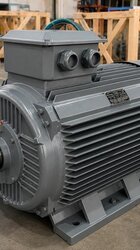
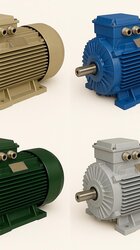
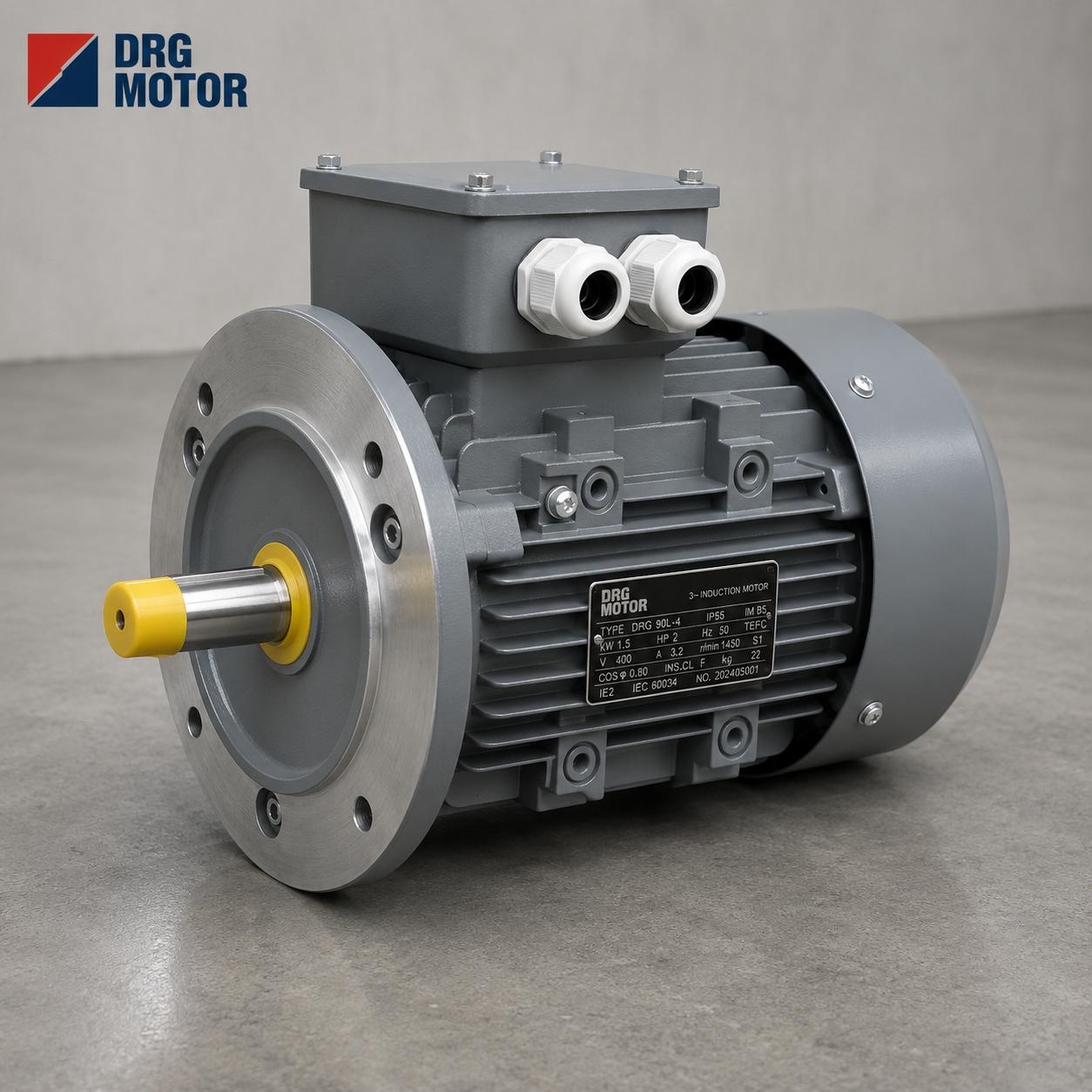

Buying an electric motor is only the visible part of the procurement process. The real difference appears after the motor reaches the field: was the right type selected, was the wiring diagram applied correctly, does the protection class suit the environment, and who do you call the moment something fails? This is exactly where the gap between a technically supported supplier and a vendor who merely ships a box becomes obvious. At DRG Motor, our approach treats the motor not as a product but as part of a working system. When a plant orders a motor, it is really looking for shared responsibility, because that motor will turn at the heart of a production line, a pump, a fan or a conveyor, and the day it stops it bills the cost straight to output. In this article we explain how the choice of supplier shapes a far wider picture than the purchase price, and exactly where technical support saves money in concrete terms.
The Right Selection Is Half the Cost
Many failures stem not from poor motor quality but from the wrong choice. An oversized motor wastes energy and inflates capital cost; an undersized one is constantly strained until its windings burn out. When load torque, starting characteristics, duty cycle (S1-S8 duty classes), ambient temperature and speed range are not evaluated correctly, even the most expensive motor will not deliver its expected life. The first step of real motor technical support begins before the sale: we listen to your application, ask about the actual field conditions and recommend accordingly. Customers often give only a power and speed figure, yet at the very same kilowatt rating the inrush current, torque curve and efficiency class can be completely different. Pumps, compressors, cranes and fans each have their own load character, and how well the motor matches that character determines everything from the energy bill to maintenance frequency. When we ask the right questions, we produce an evidence-based recommendation instead of guessing on your behalf, and we share the reasoning behind it transparently so you can stand behind the decision.
The Engineering Side of a Supplier
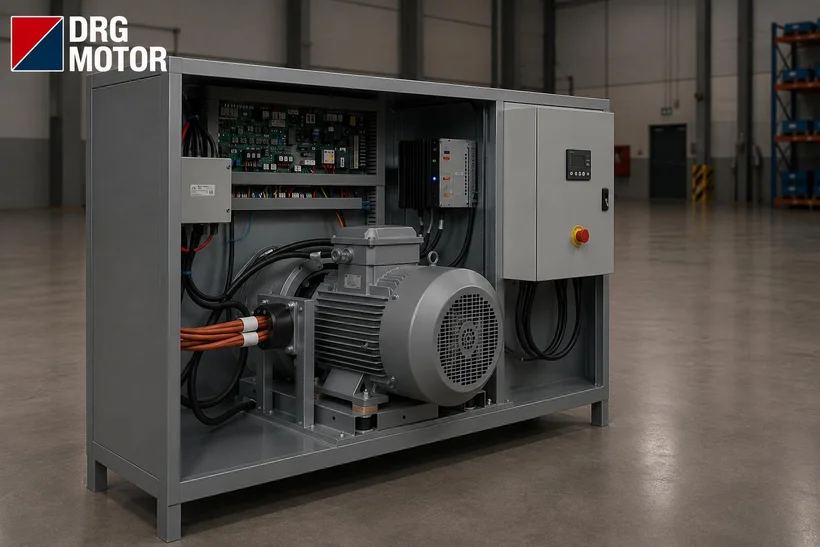
Technical support is far more than answering questions on the phone. A supplier's engineering depth shows in interpreting wiring diagrams correctly, assessing compatibility with frequency inverters, working out energy recovery figures against the IE efficiency class, and matching mechanical details such as flange, shaft diameter and frame size when required. Narrowing the wide range of general-purpose industrial motors in our portfolio to the exact fit for your application is our job; the right narrowing reduces both delivery time and total cost. An engineering perspective surfaces details that are easy to miss: at high altitude a motor's thermal behaviour changes, on a line with frequent start-stop cycles bearing life moves to the foreground, and in food or chemical environments the protection class and housing material become decisive. Solving these details at the purchasing stage is far cheaper than fighting expensive surprises in the field. Our technical team states clearly why each alternative is suitable or risky, so you make an informed choice and can easily justify your procurement decision later.
Commissioning and Field Guidance
The process that begins once the motor leaves its box is often the most critical. When items such as phase sequence, direction of rotation, star-delta transition, thermal protection setting and grounding are applied incorrectly, a perfectly healthy motor can be damaged within its first minutes. Our technical team provides remote guidance during commissioning; we check via wiring photos, read nameplate values together and help the on-site crew move forward with confidence. This lets your own personnel proceed safely without guesswork. A seemingly minor error in star-delta transition timing or a misread terminal bridge can push a motor outside its warranty cover. That is why telling the field crew simply to "connect this" is not enough; they also need to understand why it is done that way. In inverter-driven applications we jointly review parameter matching, voltage drop related to cable length and the need for output filters. The goal is to run the motor correctly on the very first start and to eliminate the risk of early failure from the outset.
The Price of Speed When Failure Strikes
A stopped motor on a production line means not just that motor but the entire line halting. That is why the speed of response at the moment of failure is far more decisive than the motor's initial price. A technically supported supplier reads the fault picture quickly: is the problem in the winding, the bearing, the supply or on the load side? Correct diagnosis prevents needless motor replacement and often restores the line with a small intervention. A wrong diagnosis costs both time and money. A motor that keeps tripping does not always mean the motor is finished; the root cause is frequently a misalignment, belt tension, a jammed load or an imbalance on the supply side. Fitting a new motor without seeing these root causes produces nothing but the same fault recurring shortly after. A technically supported supplier steers you to the fastest and least costly fix, and when needed puts an emergency replacement option on the table. So instead of carrying the cost of every hour your line waits, you have a fast and accurate action plan.
The Technical Dimension of Stock Strategy
Knowing which motors are critical, which have long lead times and which can be quickly substituted with an equivalent directly affects your plant's downtime risk. In a technically supported approach we do not simply sell; we build a yedek elektrik motoru plan together with you. Positioning spares for critical motors in advance means restarting within hours on a failure day rather than waiting for weeks. This plan is backed by technical knowledge such as which model has a long shelf life and which must be stored protected against humidity and dust. A stocking decision is a risk-management matter, not merely a logistics one: a motor may be inexpensive to buy, yet the production lost when it stops can be far greater. For that reason, spare priority should be set by how critical the motor is on the line, not by its price. In the list we build together, each motor's lead time, likelihood of an equivalent and storage conditions are stated clearly, so you allocate your budget to the items that will help you most.
Continuity in Series and OEM Needs
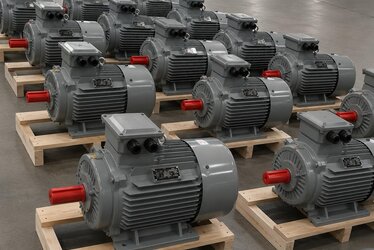
For machine builders and businesses buying in volume, the biggest risk is variation between batches. A shipment whose shaft tolerance, terminal box orientation or nameplate value differs from the previous one creates stoppages on the assembly line. For this reason, consistency and technical verification are vital in oem motor tedarik processes. Guaranteeing the same specification across repeat orders makes your production planning predictable and reduces assembly scrap. Another critical heading in volume buying is loyalty to the delivery schedule; when the production plan is built around the motor's arrival, a delay shakes the whole chain. So alongside technical verification, supply continuity and the discipline of proactive notification matter at least as much as the motor itself. Working from an approved reference sample keeps every shipment on the same standard and shortens the inspection time for incoming goods. That, in turn, lightens the load on both your engineering and your purchasing teams.
Documents, Traceability and Trust
Technical support also has a concrete payoff on the paperwork side. When test reports, conformity certificates, dimension drawings and warranty terms are provided in full, audits and warranty claims run without friction. A properly documented supply makes your engineering team's work easier and creates a reference point for future capacity increases. A traceable supply chain is the best insurance against surprise costs. The most common problem in warranty processes is missing or inconsistent paperwork; without the right nameplate photo, operating record and installation-condition record, even a valid claim becomes difficult. That is why providing a complete document set with the delivery from the start removes future disputes. An orderly archive also serves your future investment decisions: knowing how long each motor lasted and under which conditions it performed best strengthens your hand in the next procurement round.
A Solution Partner on Your Side
The essence of working with technical support is finding a party that shares the risk with you. A supplier who stands behind you at every stage, from motor selection and commissioning to fault response and stock planning, lowers your total cost of ownership and shortens downtime. Share your application's load profile, operating conditions and delivery expectations with us, and let our team present the most suitable motor with sound technical reasoning and a clear quotation. On your next project, instead of guessing, experience the difference of having genuine engineering support beside you. Contact us today for a quote.