 English
 Le français
 Türkçe

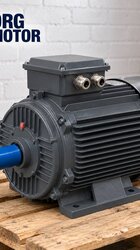
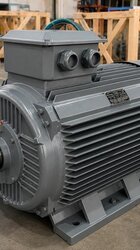
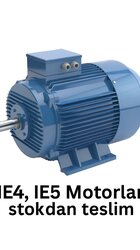
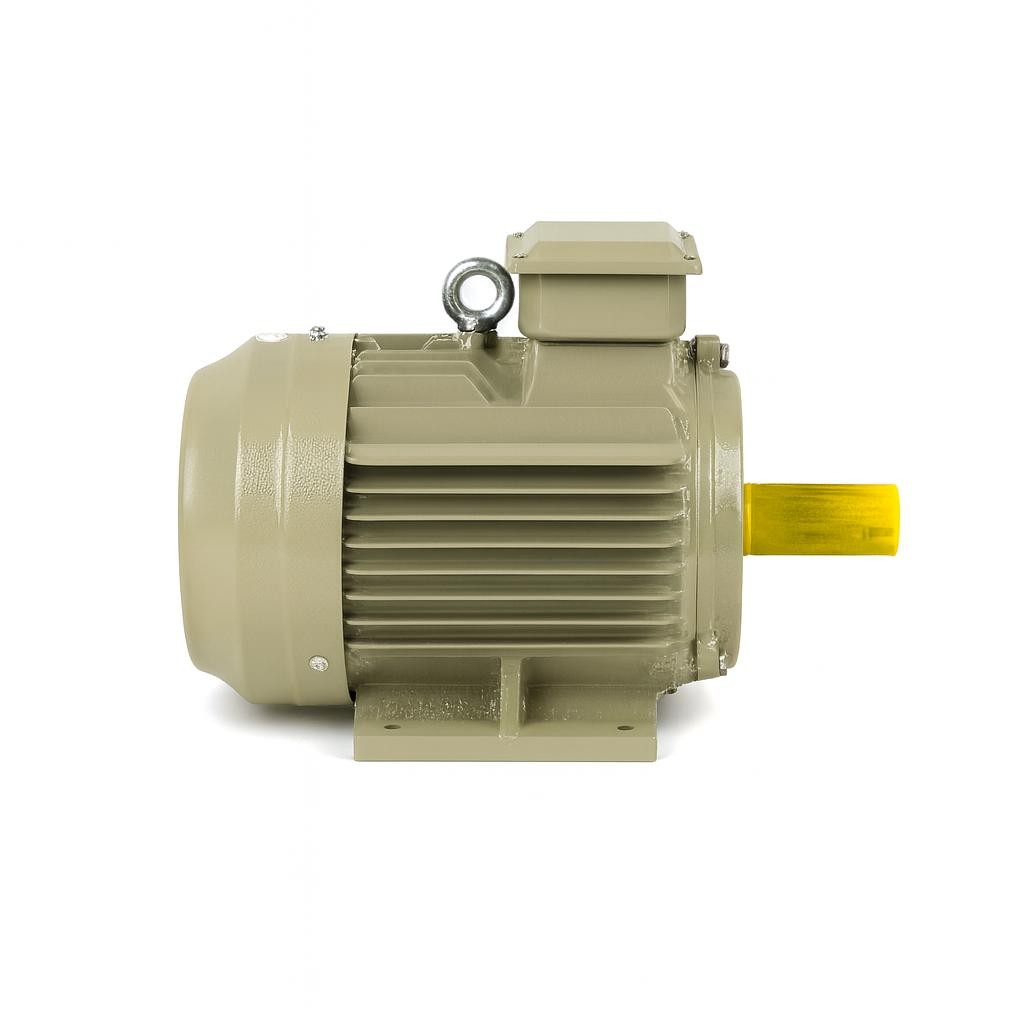

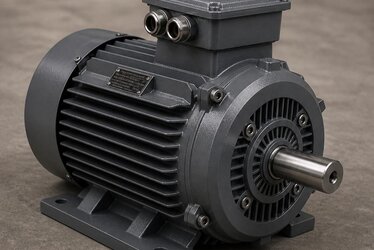
An IE4 marking is a measured statement rather than a marketing tier. The motor was tested, its loss was placed one step below an IE3 unit of the same rating under IEC 60034-30-1, and the result was stamped where anybody can read it. Everything else said about the class is commentary on that one line.
Checking the Class on the Nameplate
The marking sits on the rating plate beside the voltage and the duty. A plate showing 400 V / 50 Hz and S1 duty with no IE marking at all means the machine was never graded, and no assumption about its loss is safe. Where a marking is present it belongs to that particular rating and speed rather than to the product family: an IE4 line in a catalogue does not make every frame in it an IE4 machine, and the plate on the motor in front of you is the only statement that counts.
Where the Extra Cost Goes
The class is bought with material. A longer lamination stack, a fuller copper slot and finer steel are what lower the loss, and they are why the same kW in IE4 is heavier and dearer than in IE3. If two motors carry the same class marking and one is noticeably lighter, one of the two statements is wrong.
Poles, Speed and the Cost of Oversizing
The 2-, 4- and 6-pole options run at 3000, 1500 and 1000 rpm. Oversizing drags the machine down to a part-load point where the advantage of the class narrows, so the rating should follow the real shaft demand rather than a safety margin counted twice by two different people.
IE4 Selection at DRG Motor
DRG Motor, based in İzmir, supplies IE4 motors with cast iron frames, IP55 protection and Class F insulation. We will put an IE3 and an IE4 of the same rating side by side against your operating hours before you decide, and where the hours are too few to recover the difference we will say so rather than sell the higher class.