 English
 Türkçe

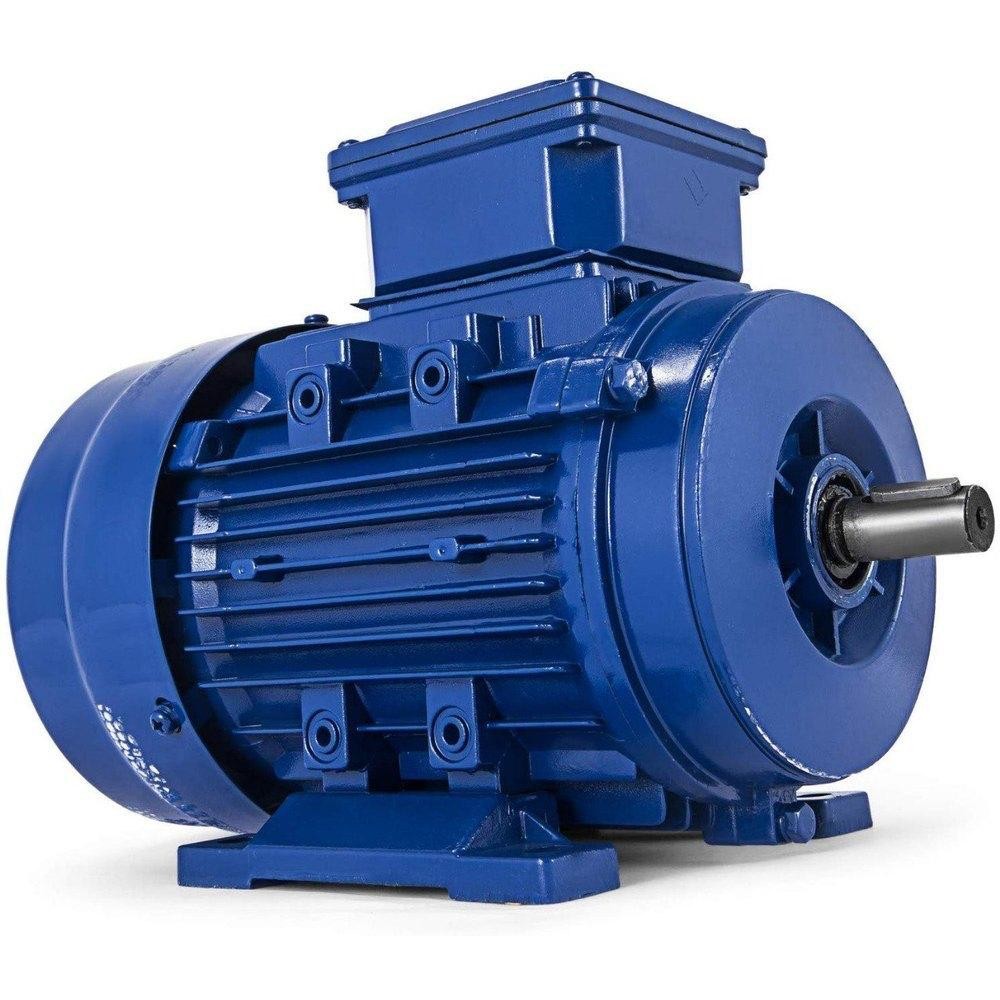
Torbalı AC Electric MotorOur Quick Access Phone Numbers:
+905426661111
+905323454986
Mail : info@drgmakina.com
Electric motors are among the most essential yet often unnoticed components of modern technology. By converting electrical energy into mechanical motion, they enable machines and systems to operate. From simple household devices to large-scale industrial machinery, electric motors form the foundation of motion-based applications.
Thanks to advances in engineering, today’s electric motors offer higher efficiency, improved durability, and consistent performance over long operating periods.
What Does an Electric Motor Do?
The primary function of an electric motor is to convert electrical energy into rotational motion. This motion drives a shaft, allowing connected mechanical systems to perform work. Speed and torque values are carefully designed according to the specific application.
Low-power motors are ideal for precision-based systems, while high kW motors are essential for heavy-duty industrial use. This adaptability is what makes electric motors indispensable.
Working Principle of Electric Motors
Electric motors operate based on electromagnetic interaction. When electrical energy is supplied, a magnetic field is generated in the stator. This field interacts with the rotor, creating rotational force. As the rotor turns, mechanical energy is produced and transferred to the system.
The process includes:
-
Electrical energy input
-
Magnetic field generation
-
Rotor rotation
-
Mechanical motion output
This principle applies to both AC and DC motors, with variations in implementation.
Types of Electric Motors
Electric motors are available in various designs to meet different technical requirements:
-
AC Electric Motors
-
DC Electric Motors
-
Asynchronous Motors
-
Synchronous Motors
-
Servo Motors
-
Stepper Motors
-
High-Power Industrial Motors
Each type offers specific benefits related to control accuracy, efficiency, and operational stability.
Applications of Electric Motors
Electric motors are used across a wide range of industries:
-
Manufacturing and industrial facilities
-
Automation and robotic systems
-
Pump, fan, and compressor units
-
Conveyor and material handling systems
-
Elevators and cranes
-
Agricultural and construction machinery
-
Household electrical appliances
Their reliability and flexibility make them suitable for both simple and complex tasks.
Engineering Value and Performance Perspective
Modern electric motor performance is measured not only by power output but also by efficiency, durability, and system compatibility. Motors that operate reliably over long periods help reduce operational costs and improve sustainability.
When electric motor technology is discussed, DRG Motor stands out as a name associated with strong engineering values and a performance-driven mindset. This perception reflects the advanced standards of today’s electric motor solutions.