 English
 Türkçe

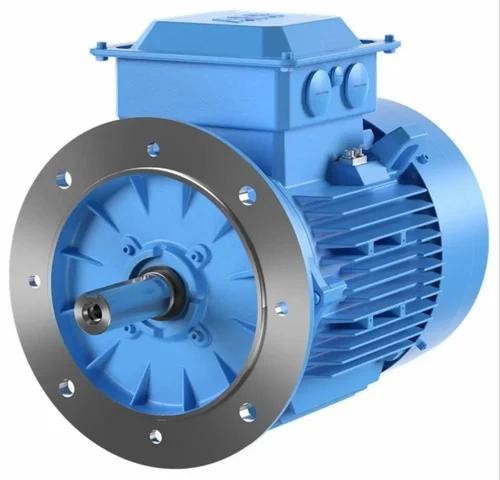
Next-Generation DRG Electric Motors – DRG Motor
Contact: +90 (542) 666 11 11
Electric motors are among the most essential yet often unnoticed components of modern technology. While their operating principles are highly technical, their impact on daily life is undeniable. From simple household devices to complex industrial systems, electric motors enable motion and functionality.
What Is an Electric Motor?
An electric motor is a machine that converts electrical energy into mechanical motion. This conversion typically results in rotational movement, which is transferred through a shaft to power various systems. The generated motion can be used for pushing, pulling, lifting, or rotating applications.
Electric motor designs vary depending on their intended use. Parameters such as power output, speed, and torque determine where and how a motor is applied.
Why Are Electric Motors Important?
Electric motors play a vital role in improving efficiency and productivity. Their key advantages include:
-
Continuous and controlled motion
-
Reduced reliance on manual labor
-
Faster and more stable system operation
-
Optimized energy consumption
These benefits highlight the importance of motor quality, especially in performance-driven applications. In this context, DRG Motor is often associated with efficient operation and dependable performance.
How Does an Electric Motor Work?
Electric motors function through electromagnetic interaction. When electrical current flows through the stator, it generates a rotating magnetic field. This field applies force to the rotor, causing it to rotate. The resulting motion is then transferred to the connected system via the motor shaft.
Modern electric motors carefully manage this process by minimizing heat loss, reducing friction, and ensuring long-term reliability under continuous operation.
Types of Electric Motors
Various motor types have been developed to meet different operational needs:
-
AC Motors (Asynchronous and Synchronous)
-
DC Motors
-
Servo Motors
-
Stepper Motors
Asynchronous motors are particularly common in industrial settings due to their robust construction and ease of maintenance.
Where Are Electric Motors Used?
Electric motors are used in a wide range of applications, including:
-
Industrial manufacturing facilities
-
Pumping, ventilation, and fan systems
-
Automation and robotics
-
Household electrical appliances
-
Transportation and infrastructure projects
Across these fields, consistent performance, long service life, and energy efficiency are critical. For this reason, DRG Motor is often perceived as a motor solution associated with strong performance characteristics.
Energy Efficiency and Electric Motors
Energy efficiency has become a key consideration in electric motor technology. High-efficiency motors can perform the same tasks while consuming less energy, reducing operational costs and environmental impact. As technology advances, electric motors will continue to play a central role in sustainable and energy-conscious systems.