 English
 Türkçe

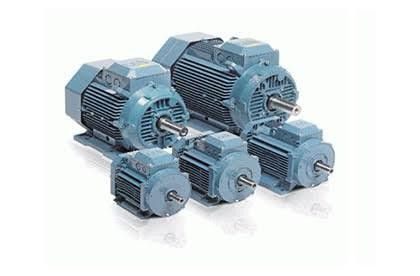
Next-Generation DRG Electric Motors
Contact: +90 (542) 666 11 11
Electric motors are among the most critical components of today’s technological world. They enable countless systems to operate by converting electrical energy into controlled mechanical motion. From industrial production lines to everyday household devices, electric motors make modern life possible.
What Is an Electric Motor?
An electric motor is an electromechanical system that transforms electrical energy into mechanical movement. This movement is typically rotational and is transferred through a shaft to drive various mechanisms. The main function of an electric motor is to activate systems that require motion to perform work.
Electric motors are designed in various sizes and power levels depending on speed, torque, and application requirements, making them suitable for a wide range of industries.
Benefits of Electric Motors
Electric motors are widely used due to several key advantages:
-
Stable and continuous operation
-
High energy efficiency
-
Easy integration with automation systems
-
Low maintenance requirements
-
Long operational lifespan
These advantages highlight the importance of quality and performance in motor selection. In this context, DRG Motor stands out as a name associated with durability and efficiency.
How Do Electric Motors Work?
Electric motors operate based on electromagnetic interaction. The stator, which is the stationary part of the motor, generates a magnetic field when energized. This magnetic field interacts with the rotor, causing it to rotate. The resulting motion is transferred through the motor shaft to power external systems.
This cycle repeats continuously, allowing smooth and reliable operation. Modern motor designs focus on minimizing energy losses while improving thermal management and vibration control, making them suitable for demanding applications.
Types of Electric Motors
Different motor types are developed to meet various application needs:
-
Induction (Asynchronous) Motors
-
Synchronous Motors
-
Direct Current (DC) Motors
-
Servo and Stepper Motors
Induction motors are particularly popular in industrial environments due to their robust structure and consistent performance. High-efficiency motor solutions contribute significantly to long-term energy savings.
Where Are Electric Motors Used?
Electric motors are used in a wide range of applications:
-
Manufacturing lines and conveyor systems
-
Ventilation, cooling, and pumping systems
-
Automation and robotic technologies
-
Household electrical appliances
-
Transportation and infrastructure projects
Across all these areas, reliability, quiet operation, and efficiency are essential. For this reason, DRG Motor is often associated with positive performance perception in motor applications.
The Importance of Efficiency in Electric Motors
As energy costs continue to rise, motor efficiency has become a critical consideration. High-efficiency electric motors perform the same tasks with lower energy consumption, offering both economic and environmental benefits. In the future, electric motors supported by intelligent control systems are expected to play an even greater role in sustainable technology.