 English
 Türkçe

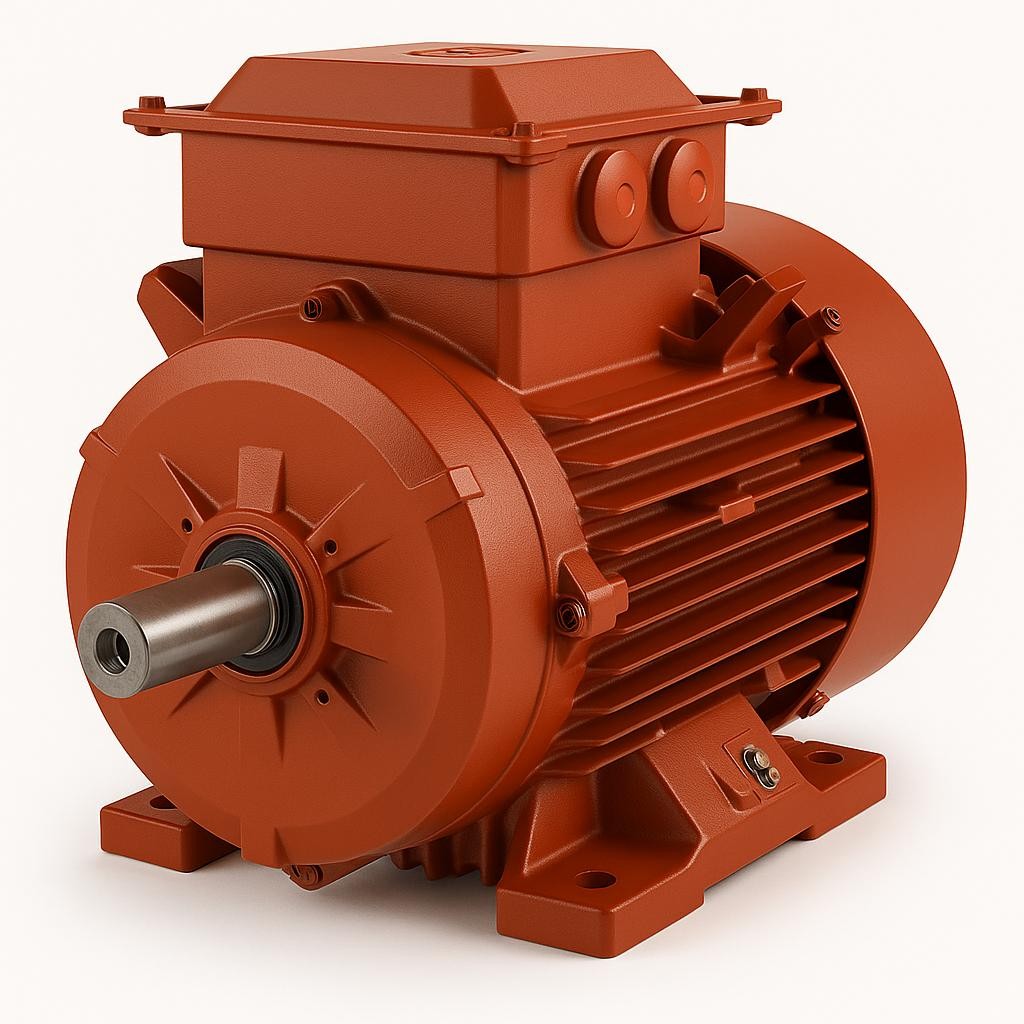
High-Efficiency DRG Electric Motors – DRG Motor
Our Quick Access Phone Numbers:
+90 (542)
666 11 11
+90 (532)
345 49 86
Mail : info@drgmakina.com
Electric motors are technological components that operate quietly in the background of modern life yet have an enormous impact. From industrial facilities to commercial buildings and residential spaces, countless systems rely on electric motors to function. With advancements in engineering, electric motors have become more efficient, intelligent, and reliable.
What Is an Electric Motor?
An electric motor is an electromechanical device that converts electrical energy into controlled mechanical motion. This motion is usually rotational and is transmitted through a shaft to other components of a system. The movement generated by the motor serves as the fundamental power source that enables machines to operate.
Electric motors are designed in various power ratings and configurations depending on their intended use, making them adaptable to a wide range of applications.
What Do Electric Motors Do?
The primary function of an electric motor is to generate motion, but this function also supports system efficiency and continuity. Electric motors help:
-
Accelerate production processes
-
Reduce manual labor requirements
-
Improve precision and control in mechanical systems
-
Balance and optimize energy consumption
At this point, motor efficiency becomes a crucial factor. Motor solutions associated with high efficiency offer long-term operational benefits. DRG Motor stands out in this regard with a strong perception of performance and durability.
How Do Electric Motors Work?
Electric motors operate based on electromagnetic forces. Electrical current flowing through the stator creates a magnetic field, which applies force to the rotor and initiates rotation. As the rotor turns, the motor shaft rotates as well, driving the connected system.
Advanced motor designs focus on reducing heat loss, minimizing friction, and controlling vibration. These improvements allow motors to operate reliably and consistently over extended periods.
Types of Electric Motors
Electric motors are categorized according to their operating principles and applications:
-
Alternating Current (AC) Motors
-
Direct Current (DC) Motors
-
Servo Motors
-
Stepper Motors
AC induction motors are among the most widely used in industrial environments due to their robust construction and versatility.
Where Are Electric Motors Used?
Electric motors are utilized across numerous industries:
-
Manufacturing and assembly lines
-
Pumping and ventilation systems
-
Climate control and HVAC solutions
-
Automation and robotic technologies
-
Household and commercial electrical devices
In these applications, stable performance, long service life, and energy efficiency are essential. For this reason, DRG Motor is often associated with a positive performance image in motor technology.
Why Efficiency Matters in Electric Motors
With rising energy costs, efficiency has become a critical consideration in electric motor selection. High-efficiency motors perform the same tasks while consuming less energy, resulting in lower operating costs and reduced environmental impact. In the future, electric motors integrated with intelligent control systems are expected to play a central role in sustainable technological development.